Short take: the comparative upside
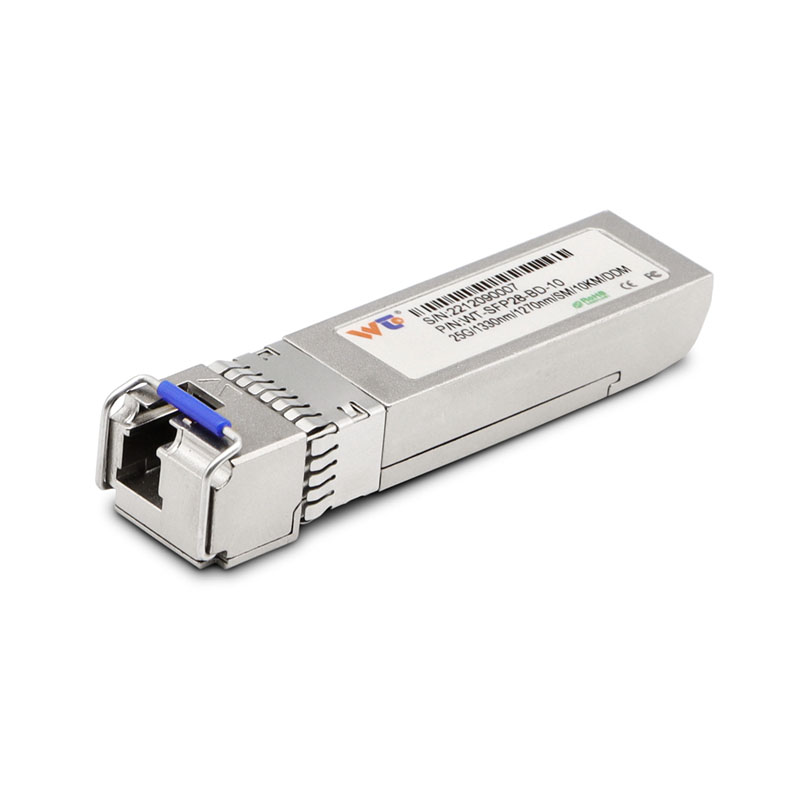
Folks in the network world like to pit one method against another, and here’s the straight talk: 100G QSFP28 BIDI transceivers often beat the cost and fuss of laying fresh, pristine fiber when carriers can reuse existing strands. That’s why some outfits buy from an optical transceiver manufacturer and swap modules instead of ripping up roads. With QSFP28, BIDI optics and simple single-mode fiber tweaks, you can double fiber capacity without a trenching crew—savin’ tens of thousands on big runs, depending on terrain and permitting fuss.
Where the savings actually come from
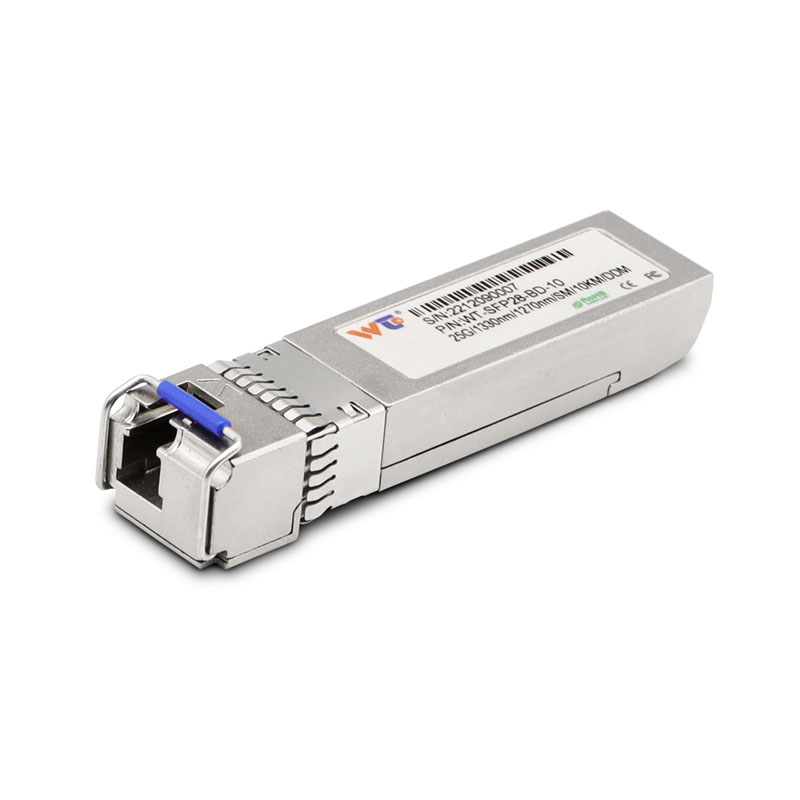
Trenching and permitting chew up a heap of cash—labor, traffic control, boring under highways. Equipment swaps don’t. Push in a BIDI QSFP28 module and you use two wavelengths on one fiber pair, cut the need for duplex cabling, and avoid many new digs. The tech terms matter but ain’t complicated: BIDI uses two wavelengths for bidirectional traffic; QSFP28 gives you 100G lanes. When you stack that against the costs of new conduit and road restoration, the numbers tend to tilt toward optics.
Comparing real setups — what carriers choose in the field
Look at deployments like big-city fiber rollouts and the rural backhaul upgrades: operators often weigh a new fiber build vs. hardware upgrades on existing fiber. Google Fiber’s early fits in Kansas City showed how reusing infrastructure speeds time to service. Likewise, many backbone upgrades favored optical transceivers that support WDM and BIDI to multiply capacity without fresh fiber pulls. If you outfit a POP with QSFP28 BIDI modules and the right MUX gear, you get near-new capacity at a fraction of new-build cost—simple as that.
Common mistakes and how to dodge ’em
First mistake: assuming every old fiber is usable. Old fiber might have microbends, high attenuation, or legacy connectors—so test first. Second: mismatch of transceiver specs—mixing duplex-only optics with single-fiber BIDI causes outages. Third: skimping on monitoring—if you don’t validate chromatic dispersion or link budget, you’ll see weird packet loss. Do a certified OTDR run and check insertion loss before you spend on transceivers. —And don’t forget to watch connector cleanliness; a speck of dust’ll ruin a good plan.
How these choices stack up: quick checklist
When comparing options, keep these points front and center:- Link budget and distance: BIDI’s fine for single-mode spans up to provider specs.- Port density: QSFP28 saves rack space versus multiple 10G modules.- Logistics: module swap beats trench permits and municipal scheduling.
Three golden rules for picking the right 100G BIDI solution
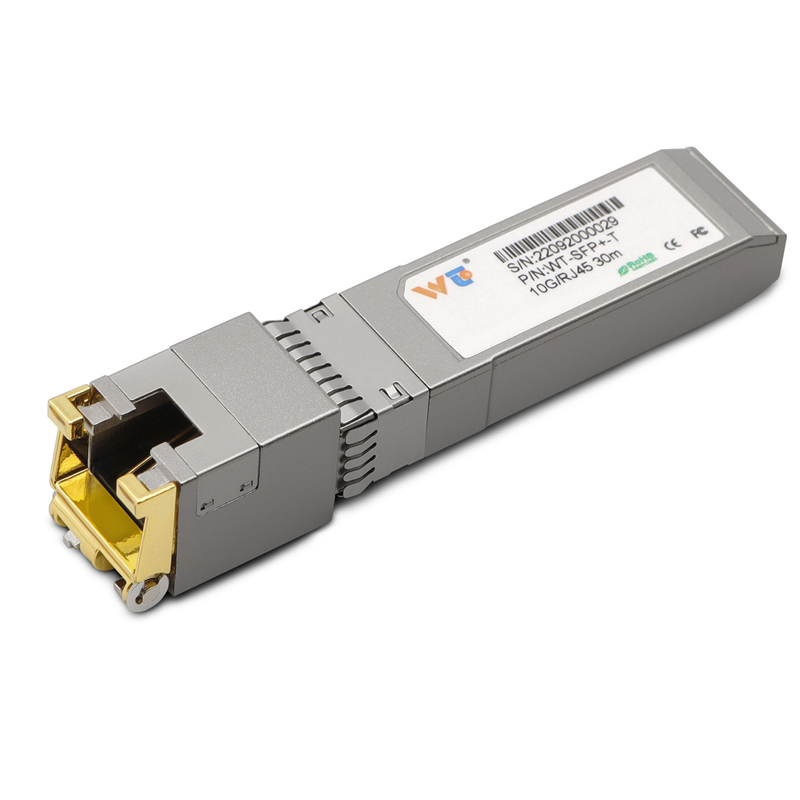
1) Measure the fiber first — accept only optics whose loss budget exceeds measured attenuation. That’s the single most practical metric. 2) Confirm wavelength and connector compatibility — match LC types and wavelength pairs so devices play nice. 3) Factor total landed cost — include hardware, testing, and any minimal civil work; compare that to quoted trenching numbers (remember, trenching often runs from dozens to a few hundred dollars per foot depending on locale).
Closing thoughts and next steps
Run the numbers for your site, compare a module-swap plan against a new-build quote, and let the numbers guide the decision. For many regional carriers and big telcos, QSFP28 BIDI and modern optical transceivers cut capital expense and deployment time without lowering service quality. I’ve seen towns in Appalachian corridors turn a months-long build into a weekend cutover by using tested BIDI optics — real savings, real uptime. Choose hardware that’s tested, specify clear acceptance tests, and you’ll keep both engineers and accountants happier.
Three clear evaluation metrics: measured attenuation vs. link budget, connector and wavelength compatibility, and total landed cost (hardware + testing + any civil work). Follow those and you’ll pick a solution that works right the first time. WINTOP. —smart gear, no nonsense.
{main_keyword} {variation_keyword}