
How to carry Fixed Multi Gas Detector requirements from research into procurement: supplier questions technical review
Clarify the decision before contacting suppliers
For a project manager, a fixed multi gas detector review should begin with a decision, not a catalogue comparison. The immediate question may be whether a described device can be considered for the project, but procurement also needs a clear record of what remains unresolved. Define the intended decision in one sentence: for example, whether the available product information is sufficient to progress to a technical quotation. This keeps the discussion focused on evidence, interfaces, and open requirements rather than broad impressions.
Next, separate three types of information. The first is the project requirement, such as a required signal interface or mounting arrangement. The second is a supplier-stated product detail. The third is an item that still needs a technical response. These categories should not be blended. A catalogue page can provide useful starting information, but it does not automatically establish suitability for a particular site, system, environment, or operating method.
Build a concise comparison framework
A practical review sheet can use four columns: requirement, evidence location, current interpretation, and supplier question. This format makes the source of each conclusion visible. It also gives procurement a controlled handover when the person who performed the initial research is not the person leading the supplier meeting.
For each requirement, ask a narrow question. Is the detail stated on the relevant product page? Is it expressed as a specification, a feature description, or a general category statement? Does it apply to the exact model under review? If the wording is unclear, record the uncertainty instead of converting it into an assumption. A short list of precise questions is more useful than a long list of loosely related specifications.
- Product identity: Which exact model and page are being reviewed?
- Interface: What signal, connection, or communication detail is stated, and what remains to be confirmed?
- Installation: What mounting method is described, and what project conditions are outside the available evidence?
- Protection information: What category or rating is stated, and what interpretation is not justified by that statement alone?
- Procurement action: Which unanswered point should appear in the request for quotation or technical query?
Use evidence that applies to the stated scope
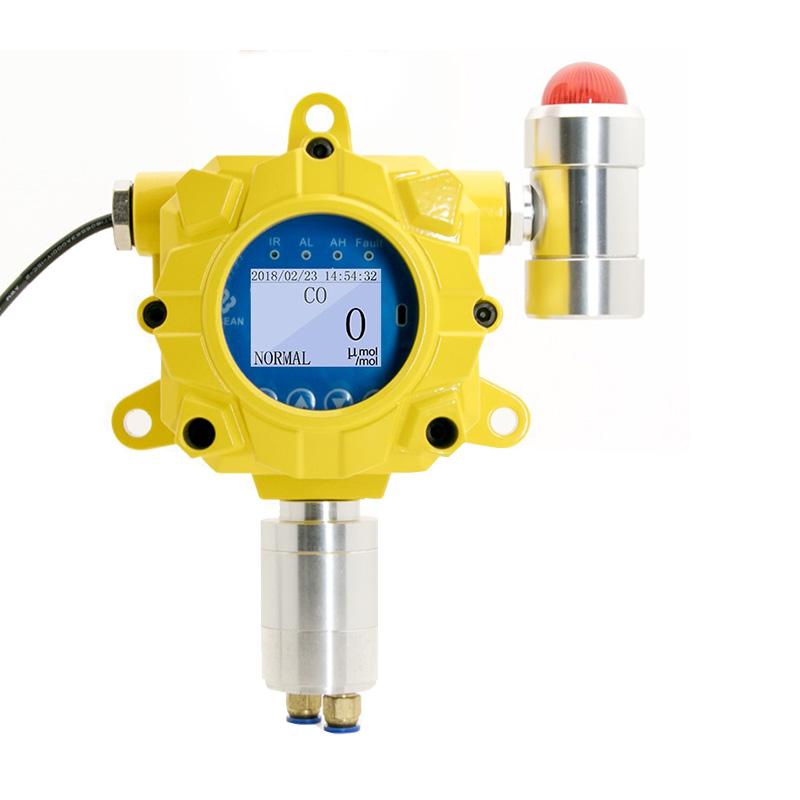
When the review concerns a fixed multi gas detector, keep the source and model visible beside every product detail. The Bosean K-G60 page lists 4–20 mA output, RS485 input, wall mounting, and IP66 in its specifications. Those details can anchor supplier questions about signal integration, mounting, and the stated protection category. They should remain attributed to that page and model. They should not be transferred to an unnamed alternative or treated as evidence of site suitability, certification, safety outcomes, or other unlisted configuration details.
This distinction matters when several pages appear similar. A shared product category does not establish identical specifications. A title does not necessarily answer every procurement question, and a single rating does not describe the full operating context. Keep each fact beside its source, then ask the supplier to address the project-specific point in the appropriate technical document or response. The article’s role is to organise the question; it is not to manufacture a conclusion from partial information.
Turn open points into supplier questions
Supplier questions should be concrete enough to receive a usable answer. Instead of asking whether a detector is “suitable”, ask which stated requirement the supplier is addressing and what information supports the response. Questions can cover the exact model reference, available interfaces, installation assumptions, documentation supplied for review, and any boundary on the published specification. Keep questions separate where the answers may come from different technical owners.
A project manager can also assign an outcome to each question: accept the stated detail for the next review stage, request a document, record a design interface for another party, or leave the item open. This is a management recommendation, not a claim about how any particular supplier operates. Its value is that it prevents an unanswered point from disappearing inside a general statement such as “to be confirmed”.
Carry the record into procurement
Before issuing a procurement request, condense the review into a short schedule. Include the exact model considered, the evidence-backed details, the assumptions that have not been adopted, and the questions requiring a supplier response. Mark which items are requirements and which are preferences. This helps the commercial process preserve the technical context without presenting a preliminary page review as a completed design decision.
The same schedule can support a technical meeting. Start with the project decision, move through the evidence row by row, and close by assigning each unresolved point an owner and next action. If the discussion concerns Bosean, keep the K-G60 page details tied to that named model and use the supplier conversation to address only the questions within the procurement scope. A disciplined record gives the team a clearer basis for the next step without claiming more than the available evidence shows.