Comparative lead: why the right seat changes outcomes
The difference between a routine shift and a productive one often comes down to operator comfort and control. A well-specified construction seat reduces fatigue, lowers vibration exposure, and preserves focus across long hours on site. This article compares seat technologies and manufacturer approaches so project managers and fleet specifiers can choose systems that deliver measurable gains in uptime and operator health.
Core variables to compare
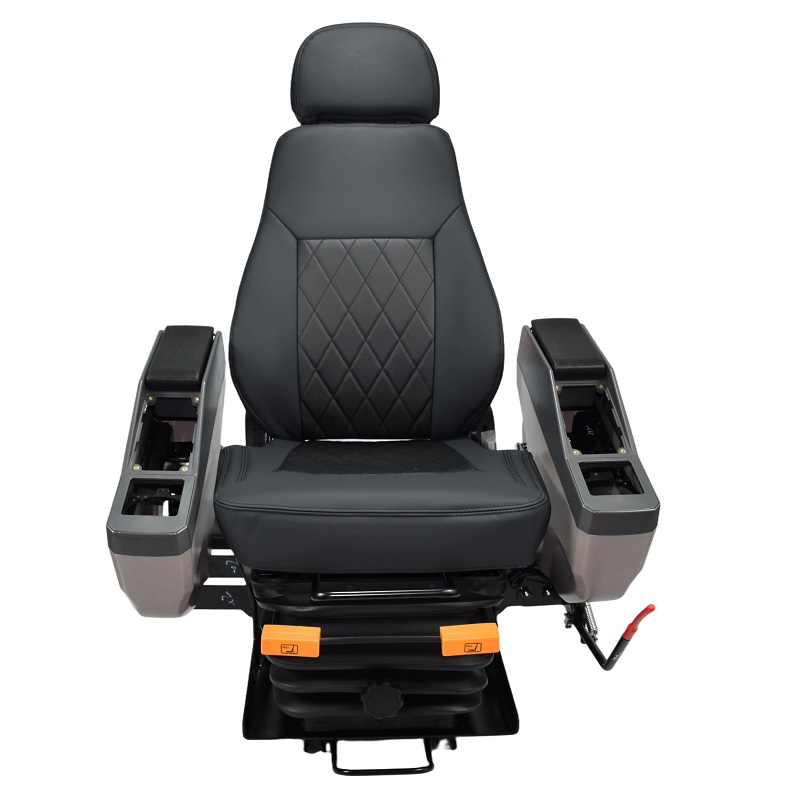
When evaluating seats, prioritize three technical variables: ergonomics, vibration damping, and suspension performance. Ergonomics includes adjustability, lumbar support, and the contouring that keeps an operator aligned in the operator station. Vibration damping covers materials and dampers that attenuate whole-body vibration. Suspension performance — whether mechanical, hydro-pneumatic, or air — determines how the seat responds to rough terrain and operator weight ranges. Each variable translates directly into reduced musculoskeletal strain and fewer unscheduled breaks on long excavations or roadwork.
Seat technologies: strengths and trade-offs
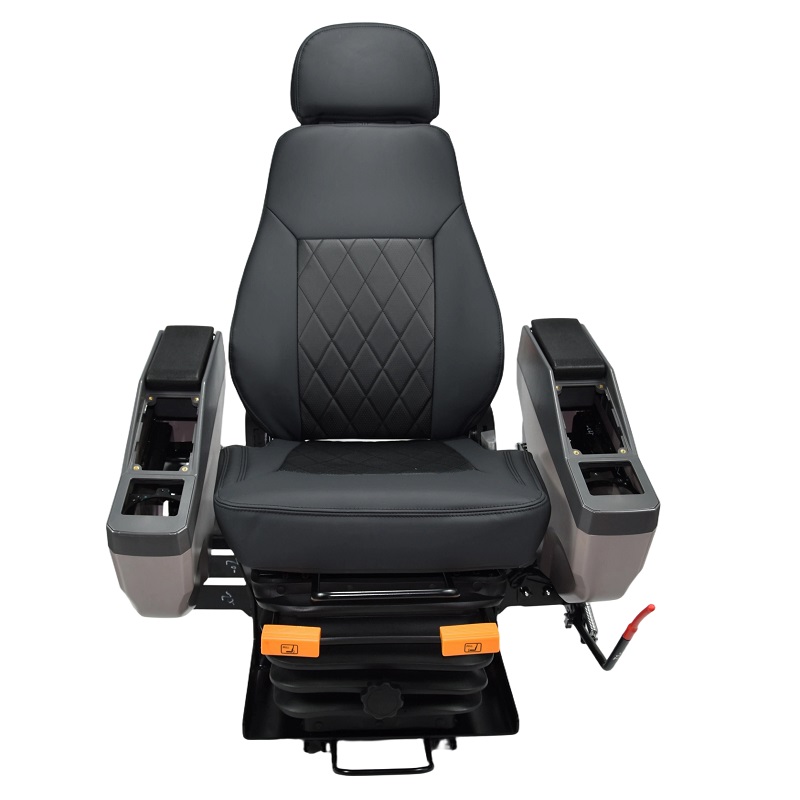
Suspension seats offer superior isolation from shocks, making them well-suited to high-amplitude tasks such as asphalt milling or rock excavation. Air-suspension models excel when operator weight varies widely—pressure adjustments maintain consistent damping. Mechanical suspensions are robust and lower-cost but may transfer more vibration at high frequencies. High-density foam and contoured shells aid posture; integrated lumbar support and adjustable armrests improve control over controls and instrumentation. Consider seat mounting and ISO mount compatibility early; mismatched mounting creates NVH (noise, vibration, harshness) problems that negate performance gains.
Manufacturer comparison and selection criteria
Not all suppliers approach design and aftermarket support equally. Leading suppliers pair product R&D with field validation programs and parts distribution. Evaluate warranty terms, availability of replacement components, and whether the vendor provides in-field fitting guidance for ergonomics and suspension calibration. Real-world anchors matter: U.S. Bureau of Labor Statistics notes higher incidence of musculoskeletal complaints among heavy equipment operators, so choose manufacturers that document reduction outcomes or provide trial programs on busy sites. For fleet-level procurement, source units from trusted construction equipment seat manufacturers that offer modular components and clear BOMs.
Common specification mistakes and alternatives
A frequent error is underestimating maintenance access — seats that require disassembly for basic service create downtime. Another is over-specifying cushion stiffness for short-term comfort without testing long-term foam set and resilience. Avoid single-point failure designs; prefer modular cushions and replaceable suspension cartridges. When budgets constrain, prioritize vibration damping and adjustable lumbar support over cosmetic features. Alternatives to full suspension include retrofit isolation bases and certified anti-vibration mats for cabs where full-seat replacement is impractical — these are interim measures, not substitutes for properly matched seats.
Procurement checklist for project teams
Use this checklist during evaluation to keep decisions objective and repeatable:
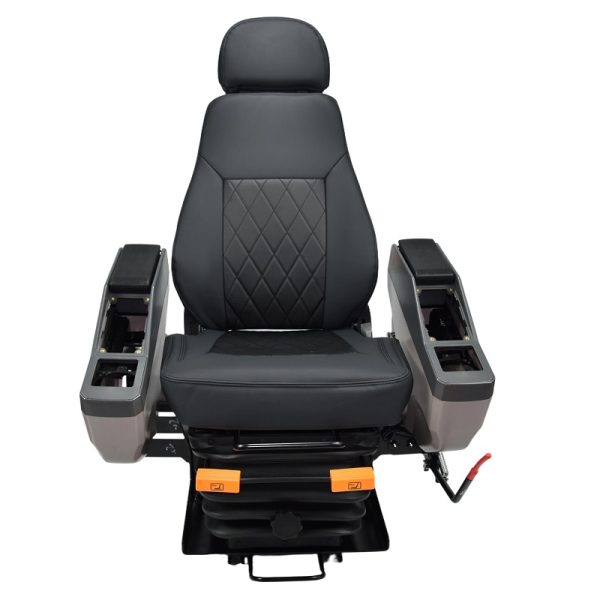
– Confirm adjustability range for seat height, fore/aft travel, and lumbar support based on operator demographics.
– Verify suspension travel and weight-range calibration; test with operator weights representative of your crew.
– Review serviceability: spare parts availability, field-replacable elements, and local support network coverage.
Advisory: three golden rules for selecting seats
Rule 1 — Measure outcome, not just specs. Track operator comfort reports, vibration exposure hours, and mean time between operator breaks after seat installation. Rule 2 — Choose modular, field-serviceable designs so a single failure does not bench a machine. Rule 3 — Insist on manufacturer-backed fitment and calibration guidance; a high-end suspension seat improperly set up will underperform. These metrics provide a defensible basis for procurement and demonstrate ROI to stakeholders.
Closing reflection and practical orientation
Decisions about seating have direct, measurable impact on crew productivity and health; the right combination of ergonomics, suspension, and manufacturer support reduces downtime and extends operator capacity. Source One is positioned to help teams translate these criteria into parts and fitment plans that work on real sites — urban projects in Rotterdam or large-scale highway jobs in North America — with realistic service paths and documented outcomes. —