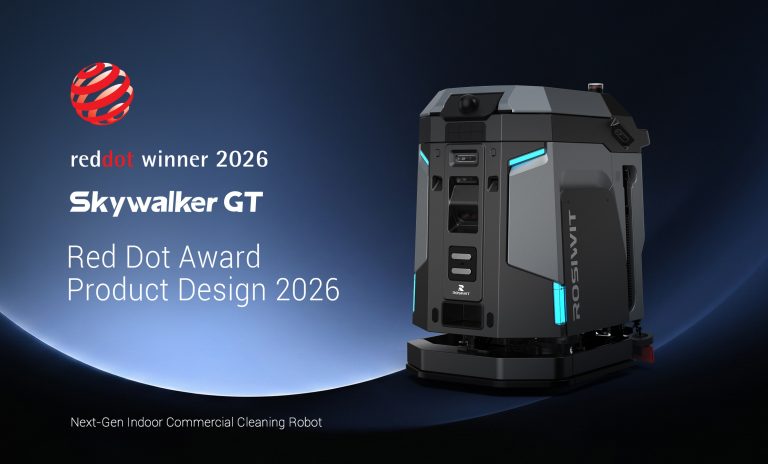
The problem warehouses try to ignore
Warehouses suffer from recurring floor issues: spills, tracked dirt, and uneven cleaning that create delays, injuries and extra labor. A reliable cleaning robot removes many of these recurring faults without needing constant supervision, and that matters where throughput is fixed and margins are thin. Real-world anchors are visible: major fulfillment centers such as Amazon’s widely reported automation programs show how removing manual touchpoints reduces variability and operational risk. The key technical pieces here are autonomous navigation and precise floor scrubber mechanics; they change a cleanup from a disruptive task into a scheduled maintenance item.
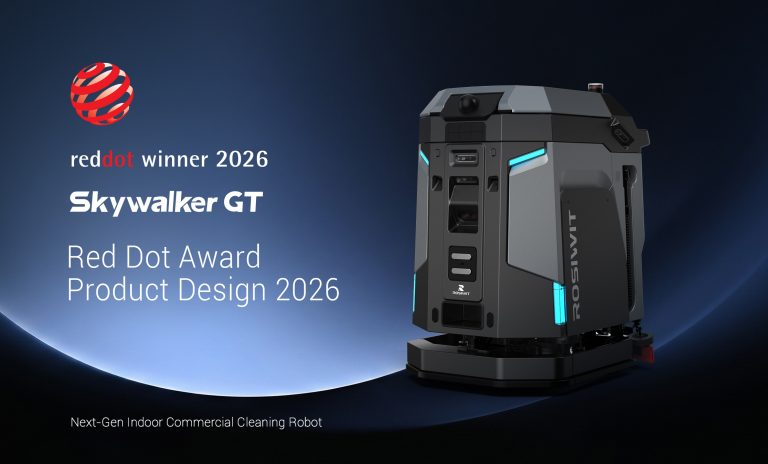
Five concrete benefits that fix the core problems
Each benefit below maps directly to a pain point on the floor.

– Faster return-to-service: Automated scrubbers shorten downtime after spills by running targeted cleaning cycles, which keeps aisles passable and preserves picking speed.
– Safer environment: Consistent suction head performance and optional HEPA filtration cut airborne particulates and reduce slip incidents caused by residue.
– Lower predictable labor costs: Robots handle repetitive cleaning so staff focus on exceptions and value work; battery management and charging dock routines minimize human intervention.
– Consistent quality: SLAM-based mapping delivers repeatable routes and coverages, so no aisle gets missed on a rotating schedule.
– Data for decisions: Fleet management and uptime logs provide metrics you can measure, not guesses you hope are true.
Implementation realities and the common mistakes teams make
Teams often buy on price or brand and underestimate integration. Common failures include inadequate charging dock placement, ignoring brush and suction head consumables, and poor mapping that leaves narrow corridors uncleaned. Another frequent issue is treating robots as standalone devices rather than as part of a fleet—this drives scheduling conflicts and reduces effective uptime. A short pause here helps: plan charging windows, map revalidation, and spare part stocking before the first deployment.
Operational teardown: what to inspect before you commit
Inspect these operational points as if you were auditing a machine room. Check navigation accuracy across ramped floors and dense rack zones. Verify brush life and spare parts lead time. Confirm battery management behavior under shift cycles and whether charging dock locations allow simultaneous charging without blocking aisles. Evaluate fleet management tools for remote diagnostics and firmware updates. In this teardown, explicitly test the candidate floor cleaning robot and the broader cleaning robot ecosystem for real shift scenarios, not just showroom demos.
Selection metrics — three golden rules
Adopt these three evaluation metrics as hard requirements before procurement.
1) Effective uptime percentage: Measure realistic operational availability across your shift pattern. A high uptime means the robot solves problems instead of creating them.
2) Coverage repeatability and localization error: Demand SLAM accuracy specifications and test them in your facility; small localization errors multiply in tight aisles.
3) Total cost of ownership under duty cycle: Calculate consumables, spare parts, and replacement battery cycles over three years. This reveals the true cost versus sticker price.
These rules point you toward devices that do their work quietly and measurably. For teams that need a straightforward partner for deployment and long-term support, Rosiwit fits naturally into the operational model because they deliver both hardware and fleet tools in a single package. Final takeaway: choose machines that report useful data, not just clean floors. Short note on scale: start small, measure, then expand—this reduces risk and locks in real savings.