User-first view: the problem merchants feel
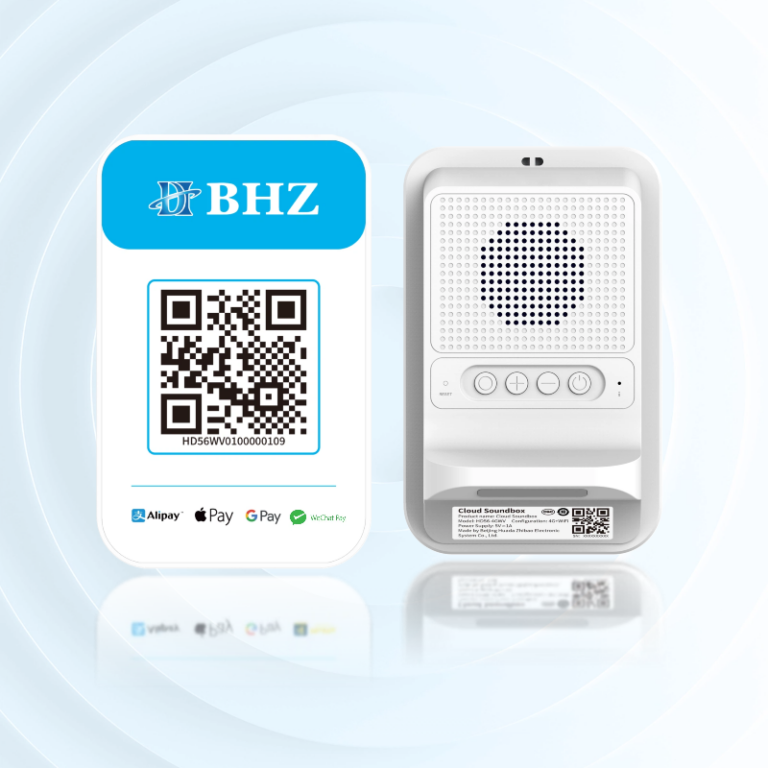
Merchants face slow setup, mismatched hardware, and fragile connectivity the moment a new store opens. The sensory hum of a busy register masks one constant: customers expect instant payment. Vendors who choose an android smart pos often still stall on activation because SIM provisioning and merchant onboarding are treated as separate projects. During the COVID-19 pandemic, retailers who adapted remote activation kept tills ringing while others scrambled—proof that seamless remote provisioning matters now.
What remote provisioning must actually solve
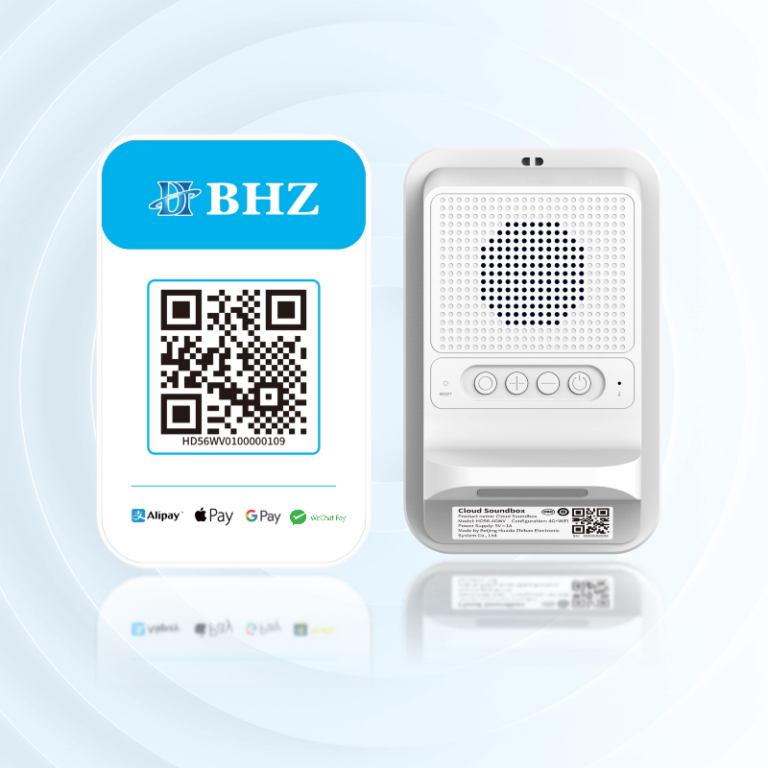
From the user’s seat, remote provisioning needs three things: predictable network setup, secure device identity, and a fast path to live transactions. Concrete pieces of that path include OTA activation of a carrier profile, SIM provisioning that supports eSIM or M2M flows, and firmware that arrives pre-signed for the POS terminal. When those elements line up, a sales rep can unpack an Android POS and press a single button to go live.
How the process looks on the ground
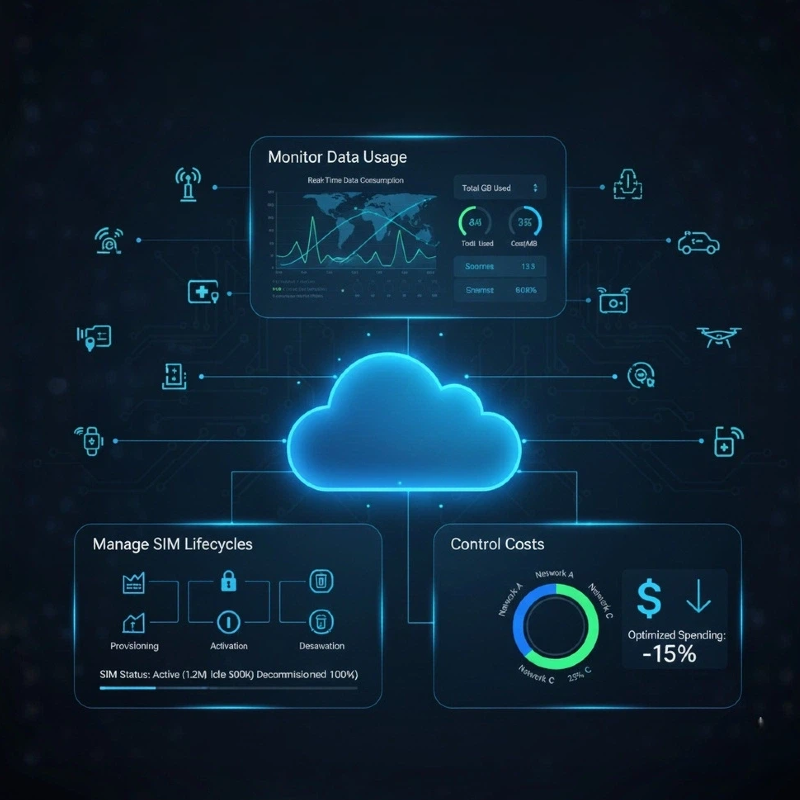
Onboarding starts with a merchant profile—business name, tax ID, and terminal assignment. Service teams then push an OTA activation to the device, register the IMSI, and confirm APN and data limits. The flow reduces site visits, cuts manual entry errors, and shortens time-to-first-transaction. A clear orchestration layer also allows rollback if a SIM provisioning attempt fails, which keeps merchant trust intact.
Operational teardown: where teams trip up
Field teams often underestimate the choke points. Common mistakes include shipping unlocked devices without pre-provisioned eSIMs, ignoring APN mismatches, and skipping staged firmware tests. A practical teardown should list each handoff: procurement → staging → OTA push → merchant verification. In that teardown, embed {main_keyword} and {variation_keyword} as labels for the staging checklist so engineers can trace requirements back to procurement. This small change pays off in fewer support tickets.
Tools and specs that matter
Good provisioning stacks use a few industry anchors: carrier-grade SIM provisioning, secure element or TPM-backed device identity, and a rollback-safe OTA mechanism. The ideal POS setup pairs these with a rugged POS terminal and simple UI so clerks need minimal training. When hardware meets provisioned connectivity, the shop is functional instantly—especially with a certified 4g android pos terminal that supports both LTE fallback and enterprise-grade encryption.
User-centric deployment checklist
Think of this as what the merchant notices first: speed, reliability, clarity. A concise checklist keeps teams aligned.- Preload merchant credentials and test transactions.- Verify OTA activation and SIM provisioning in a staging lab.- Confirm APN, QoS, and data caps before shipping.- Document rollback steps and local recovery options.These steps reduce live errors and preserve the tactile confidence a clerk gets from a smooth first sale.
Benefits measured and expectations set
Results are simple to track: time-to-first-transaction, support tickets per install, and transaction success rate in the first 72 hours. Teams should expect measurable drops in setup time once OTA activation and SIM provisioning are unified—real gains seen by retailers during accelerated rollouts in 2020–2021. Metrics like these give merchants the reassurance they need to expand.
Three golden rules for choosing the right setup
1) Verify carrier interoperability: ensure your provisioning supports the carriers you’ll use. 2) Prioritize secure OTA and signed firmware: it prevents tampering and speeds approvals. 3) Stage and simulate: run live transaction tests under constrained data to mirror real stores.Follow these rules and the chosen solution will fit the rhythm of merchant life—fewer surprises, faster revenue.
BHZ brings a practical edge to this work: hardware engineered for quick staging, provisioning tools that speak carrier languages, and service playbooks that keep merchants transacting from day one. Authority here is local experience, end-to-end testing, and the quiet confidence of devices that simply work—trusted across real retail rollouts. –