
Why a comparative approach matters
Choosing a manufacturer is not about a single spec or price tag; it is about matching priorities. Begin by listing image goals, service expectations and long-term total cost. While you assess panel types and supplier terms, it helps to glance at related markets — for instance, bargain hunters often find useful combinations when they compare display features alongside all in one computer deals, which reveal trade-offs between integrated hardware and standalone displays.
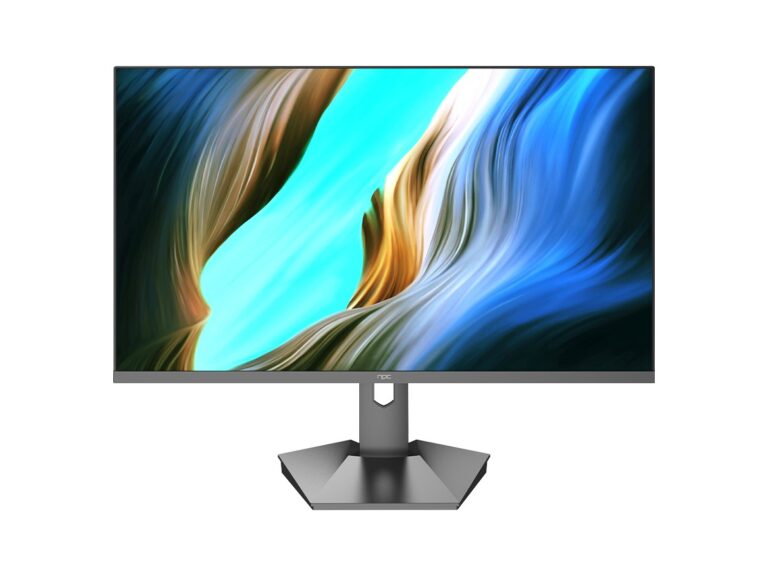
Display performance: pixels, panels, and perceptible quality
Compare panel technology first. OLED and QLED produce different blacks and color volumes; VA and IPS panels trade contrast for viewing angle. Measure peak brightness, native contrast, and color gamut coverage (ideally DCI-P3 percentage). HDR performance matters less if the display cannot sustain local brightness. Look for measured values, not just marketing terms. Request sample content or a short test suite from each candidate manufacturer and note consistent performance across multiple units.
Electronics, firmware and smart features
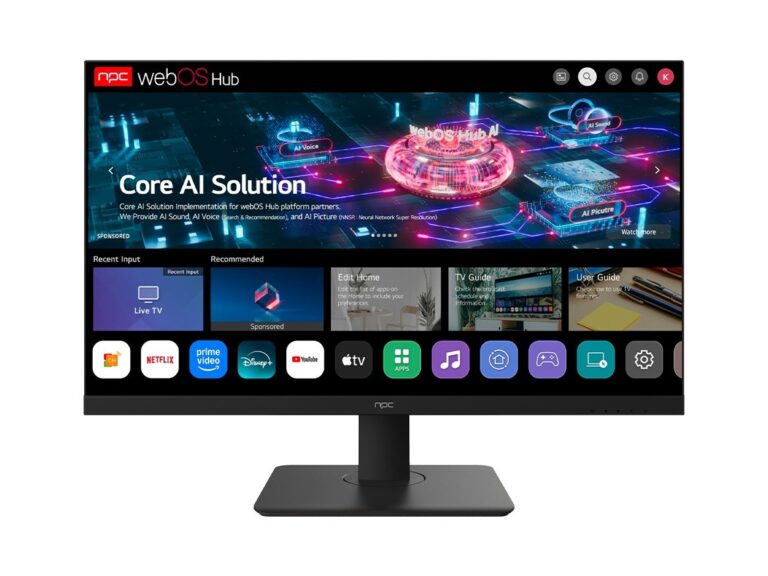
Compare SoCs, update policies and app ecosystems. A strong chipset reduces artifacting in motion and supports longer software life. Ask how the manufacturer handles firmware updates, security patches and third-party app compatibility. Check whether the supplier offers a clear rollback path if an update causes regressions. Discrete tunability of picture presets and factory calibration options are signs of a supplier that cares about real-world use, not just spec sheets.
Manufacturing practices and supply reliability
Track record and factory processes determine consistency. I have audited production lines and quality checks; what matters is repeatability: how often units fail initial QA, and how the supplier responds. Consider geographic context — Shenzhen remains the primary hub for many display and all-in-one device makers, with sourcing and logistics advantages that matter for lead times. For a direct supplier reference, research all in one pc manufacturers who document their QA and lead-time commitments.
Warranty, support and aftercare
Compare warranty length, RMA turnaround and whether spare parts are stocked regionally. A two-year warranty with slow RMAs is worse than a one-year warranty with prompt swaps. Clarify who pays shipping and whether firmware or panel failures are covered. Ask for sample service-level agreements and a list of technicians trained on the product class.
Cost structure and realistic total cost
Look beyond unit price. Compare tooling fees, minimum order quantities, shipping terms, duties and expected scrap rates. Factor in calibration, optional certifications, and certification testing fees. Request a worksheet showing landed cost for a realistic production run rather than a single-unit quote.
Common mistakes buyers make
Relying solely on advertised specs. Accepting vague warranty terms. Assuming a short lead time without written confirmation. Overlooking firmware roadmaps. Failing to test multiple units. Each of these erodes predictability; identify one or two critical failure modes and ask suppliers for proof they can avoid them.
Quick decision checklist
Confirm panel vendor and revision. Verify measured brightness and color numbers. Get firmware update policy in writing. Compare warranty coverage and RMA times. Obtain a small pilot run and inspect consistency. Validate lead times against your launch calendar. Use the checklist to rate each supplier on the same scale.
Conclusion — matching needs to reliable supply
Compare tangible measurements, documented processes and real service terms. When choices narrow to a few capable suppliers, the right fit is the one whose metrics match your priorities: consistent image performance, transparent firmware practice and dependable aftercare. A supplier that shows factory data, clear QA steps and predictable lead times brings real value, which is what teams find when they work with npc.
