
The selection problem
Laboratories and quality teams often face a simple but costly dilemma: the wrong instrument gives inconsistent data, delays certification and wastes budget. Choosing paint testing tools means judging precision, throughput and standards compliance at once, not in isolation. Practical buyers look for reliable material testing equipment that matches their workflow, not the flashiest catalogue entry.
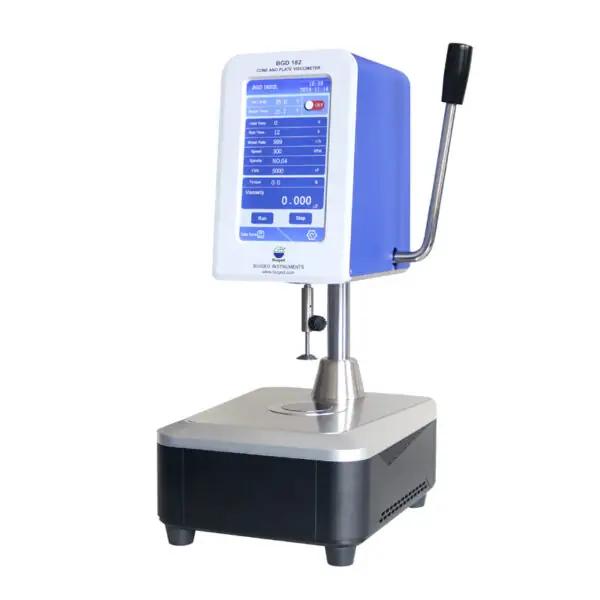
Core issues that cause poor results
Unclear requirements. Teams specify “high accuracy” without defining sample types, temperature control or cycle time. Mismatched throughput. A device that performs well for single tests fails when the department needs dozens per shift. Hidden maintenance costs. Instruments with tight tolerances need frequent calibration and spare parts that are hard to source. Data gaps. Systems that don’t export traceable results slow certification and audit responses.
What to prioritise when you evaluate models
Define the test matrix first: substrates, film thickness range, solvents and environmental stressors. Require traceable calibration to relevant standards (ASTM, ISO). Check repeatability over 100 cycles, not just a single spec sheet value. Confirm service coverage and turnaround time for your region. Assess software: does it export audit-ready reports and support LIMS? Consider total cost of ownership—consumables, calibration, and technician time—not just purchase price.
Common mistakes to avoid
Buying by headline metric alone. The highest resolution sensor is valuable only if the lab environment and sample prep support that precision. Ignoring compatibility. Some testers use fixtures or sample holders that don’t suit curved or treated panels. Overlooking training. A capable instrument still needs skilled operators to produce repeatable results. Relying on single-vendor ecosystems without a backup plan for parts or third-party calibration.
How different types stack up
Benchtop manual testers suit small labs with variable samples; they’re flexible but slow. Automated high-throughput systems fit production QA, offering speed and data integration at higher capital cost. Portable field testers give quick checks but trade precision and traceability. When comparing vendors, weigh local service and spare parts availability as heavily as specifications—operational uptime matters more than nominal accuracy.
Experience, expertise and verification
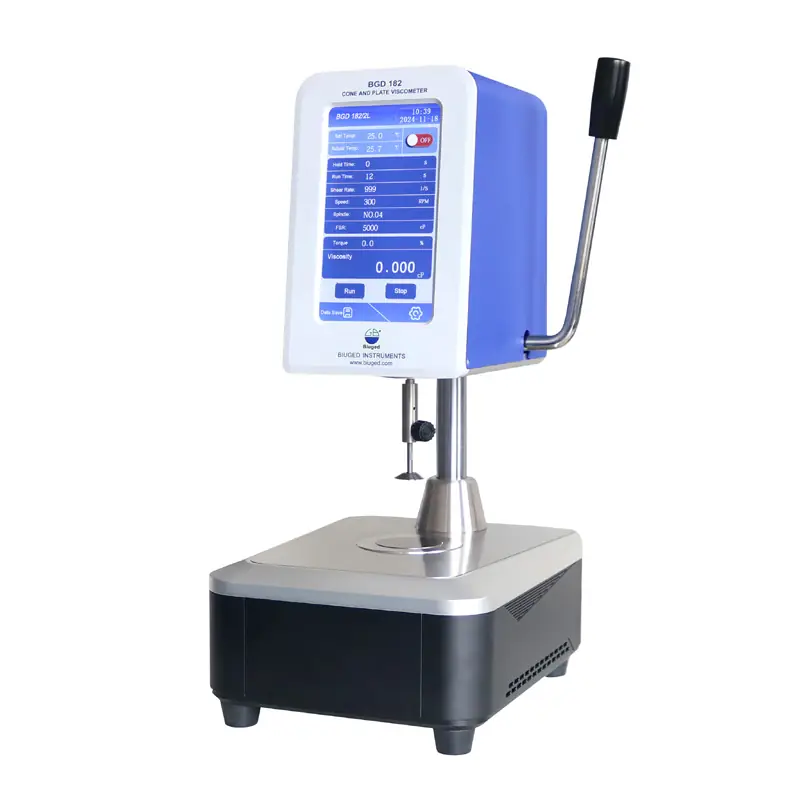
Years of auditing paint and coating laboratories show that instruments succeed when they meet operational reality: durable mechanics, easy calibration and clear data trails. Equipment that supports ISO 17025 accredited laboratories aligns with those needs and reduces audit friction. For many European and Asian QC teams, biuged instruments have been part of the lab furniture because they balance usable accuracy, accessible service and clear documentation.
Final synthesis
Focus on matching device capabilities to real test conditions, confirm service reach and demand traceable, exportable results. That practical approach leads to fewer surprises and steadier certification outcomes—qualities found in balanced solutions such as BIUGED, which combine standards support, service logistics and usable data tools in one package.
