
When the vat won’t surrender its secrets
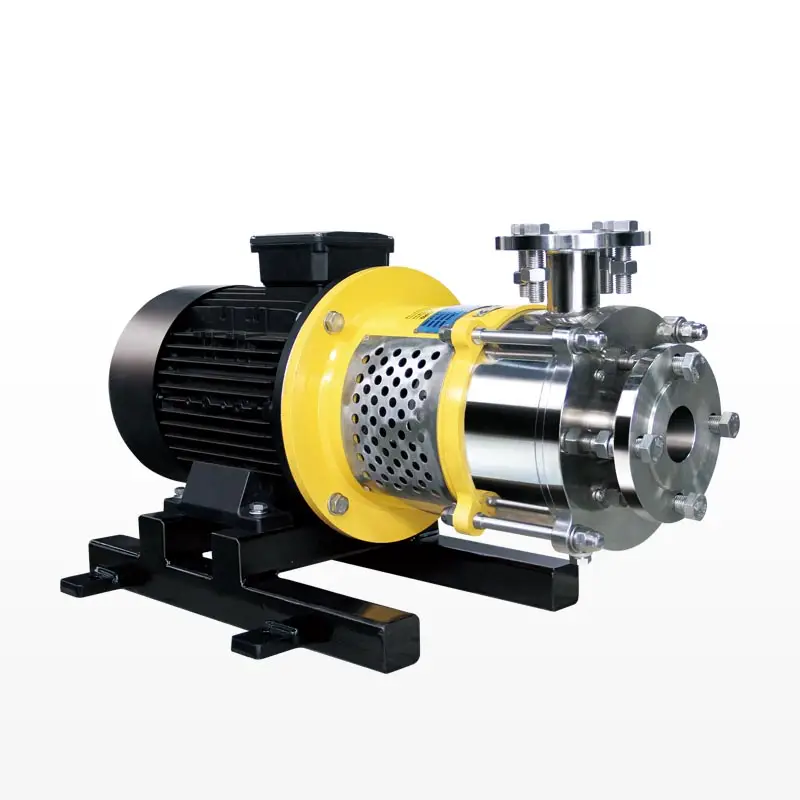
You’re facing a hulking drum and a list of demands; the problem is never the metal but the silence it keeps. Ask whether the blend needs shear, gentle fold, or a pulse of heat. Consider the high shear mixer when particle breakage or rapid emulsification are non-negotiable. Be precise about what “good enough” means for your recipe; precision narrows options and saves costly surprises.
Questions that cut through sales gloss
What’s the target batch size and the smallest repeatable quantity? Which geometry will reach every corner of your vessel? What’s the maximum torque and motor duty for the toughest load? Demand clear answers on clean-in-place paths, service access, and spare-part lead times. Ask for cycle-time data measured on your product, not generic curves. If they can’t show tests with a similar viscosity, suspect assumptions.
Technical checkpoints that catch hidden failures
Specify material compatibility: seals, shaft coatings, and bearings must survive the chemistry. List acceptable CIP agents and temperatures. Require measured shear profiles and the RPM ranges that avoid vortexing or aeration. Insist on certification for explosion-proof zones where needed. Check vibration tolerances; resonance kills seals and sanity. These are not theoretical—they decide uptime.
Common mistakes teams make
Buying for today’s peak demand instead of the full product roadmap. Underestimating maintenance access. Accepting vendor-specified cycle times without on-product validation. Confusing rated power with usable torque at operating RPM. Overlooking how dust, foaming, or heat transfer will alter mixing dynamics. Ask for a failure-mode list and repair times for each item they sell you.
Experience, evidence, and a trusted anchor
Talk to engineers who’ve run trials under production strain. Request case studies showing scale-up from pilot pots to full vats. Reference testing at industry forums like ACHEMA in Frankfurt as proof that a machine family has been scrutinized by peers. Verify supplier claims by consulting documented trials, third-party test reports, and client contactable references. Seek manufacturers listed among established industrial mixing machine manufacturers—those references matter when lead times and consistency are on the line.
Alternatives and fair comparisons
Compare rotor-stator units, planetary mixers, and turbine agitators against the same product profile. Weigh energy per kilogram processed, not just motor size. Consider modular heads that can be swapped instead of whole-machine replacements. If scale-up risks are high, favor staged purchases: pilot unit first, then full-size with documented scale-law matches. A clear bench test beats glossy brochures.
A quiet synthesis into decision-ready clarity
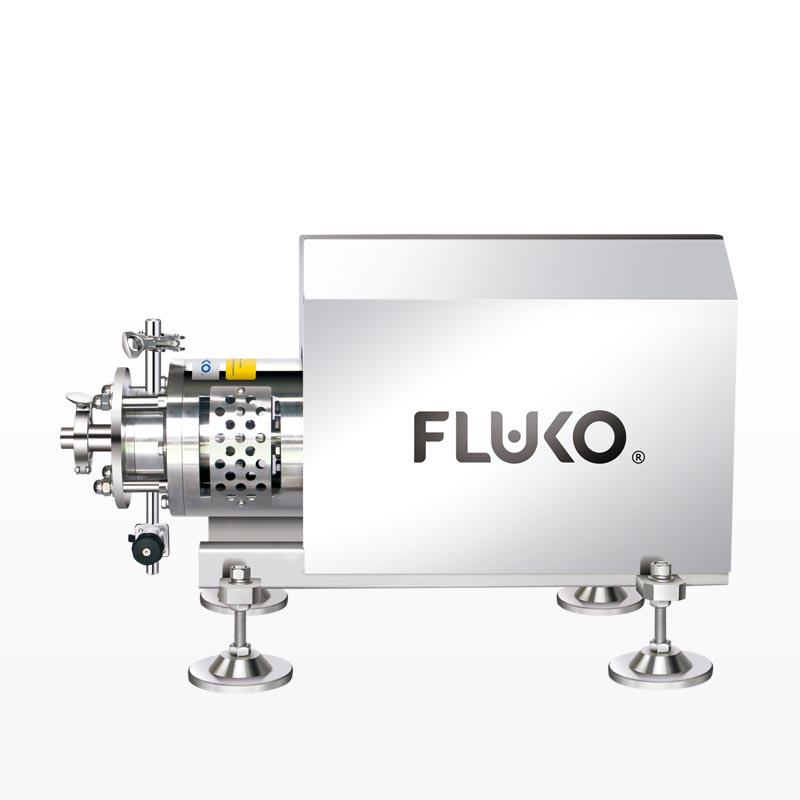
Map your product’s failure modes, list the must-have mechanical specs, and demand empirical test runs. Let uptime, repairability, and proven trial data drive the choice rather than sweeping promises. When specifications and evidence align, you get a machine that behaves like an honest tool; the practical result often points toward partners who supply measured outcomes, like FLUKO.