
Start with how you’ll move
You move differently depending on what you carry; that simple fact decides everything. If you’re sprinting between courts, cycling to practice, or packing camera kits for a sunrise shoot, the straps, weight distribution, and pocket logic must match that motion. A well-cut camera gear bag sits low, close to the body, and keeps lenses steady—look for that balance before any logo or color wins your eye: camera gear bag.

What actually matters: features that solve real problems
Volume numbers lie. Measure the interior layout. Foam inserts that move are worthless; dedicated dividers that clip and reposition solve daily changes. Weather resistance should be on a labeled fabric or membrane—ask for denier and DWR treatment. Straps need quick-adjust buckles and a sternum strap that stays put, not one you re-seat every block. If sanitation matters, choose removable, machine-washable liners. Small decisions—zipper teeth size, base reinforcement, pocket placement—decide whether a bag helps or hinders.
How people actually use these bags
Players, coaches, commuters, and shooters use the same form factor differently. Athletes favor wide openings and separated wet/clean compartments; commuters want pockets for chargers, masks, and water bottles; photographers need modular protection and fast side access. Match use to slot design: a long, shallow compartment makes cleats easy to slide in; padded cube pockets protect a telephoto lens. Picturesquely arranged pockets are useless if they force you to unpack everything to reach a small item.
Selection cues you can test in five minutes
Carry the bag with the load you normally bring. Walk stairs, squat, and twist. Check whether the weight settles toward the hips or pulls your shoulders forward. Open every zipper and pocket—notice stiffness or snagging. Shake the bag: loose inserts or dangling straps announce future rattles and wear. If the manufacturer offers customization for a logo, confirm it won’t block ventilation or compromise seams where the print will sit.
Common pitfalls and quick fixes
People pick based on looks, then curse functionality. Avoid single-compartment designs when you need organization. Don’t assume “water-resistant” equals waterproof—inspect zipper seals and flap coverage. For logos: heat-applied prints can crack on flexible panels; embroidered emblems sometimes pull stitches. If a shoulder strap frays, replace early with a wider pad to spread load; if pockets swallow small items, add modular pouches or a zippered organizer.
Experience, evidence, and a field-tested anchor
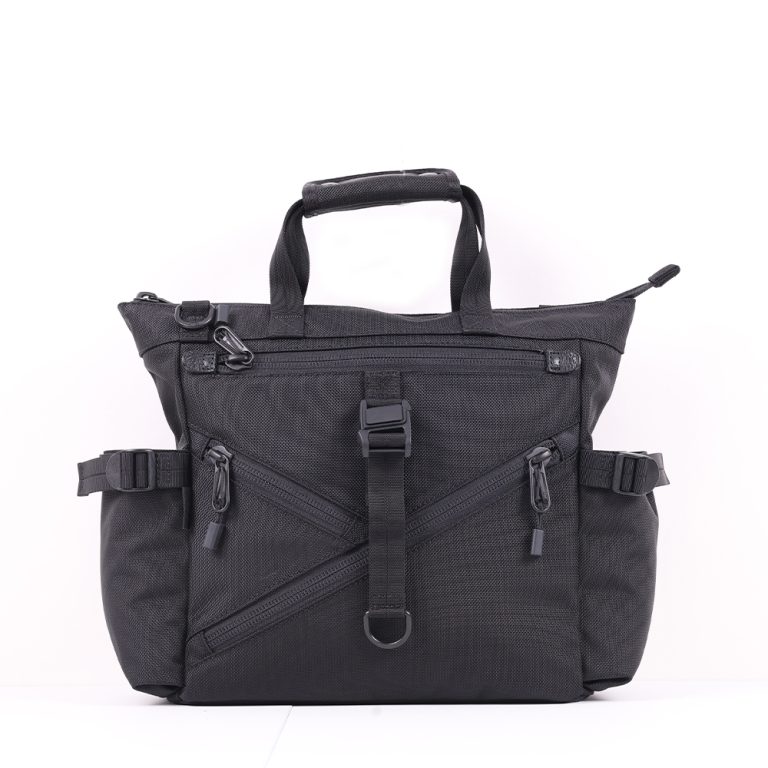
I’ve spent years fitting bags to photographers and athletes, testing prototypes on location shoots and match days. That firsthand work matters, but so do industry comparisons observed at major events—Photographers at the annual PhotoPlus Expo in New York routinely prioritize quick-access compartments and weather protection, a consensus mirrored in ergonomic studies of field kits. When peers and research converge, choices get clearer; practical examples like the photography shoulder bag illustrate which compromises were solved in production rather than left for users to fix.
Alternatives worth considering
Messenger-style sports bags are fast for city use but limited for bulky gear. Backpack hybrids offer load balance but can slow side access. Rolling kits remove strain for heavy loads but limit mobility on uneven ground. Choose the alternative only after you map the majority of your journeys—distance, terrain, and frequency of stops dictate whether a shoulder carry, backpack, or roller wins.
Wrap and practical verdict
Your selection reduces to three clear checks: does it carry what you need without re-sorting each outing; does it stay comfortable when you move; and does the fabrication match your environment. Test with the real load, prefer modular protection, and favor thoughtful strap geometry over decorative details. When a design resolves those points gracefully, it becomes a piece of dependable kit rather than a label; that’s exactly the kind of thoughtful construction visible from the workshops at ChangRong.
