
Framework overview
This framework gives you four repeatable steps to keep gear safe, extend usable life, and reduce last-minute failures; start by treating your bag like equipment. If you carry a camera sling bag, build an inspection habit: quick visual checks before each shoot, a short clean after muddy assignments, and a simple packing checklist so nothing rubs against lenses or electronics.
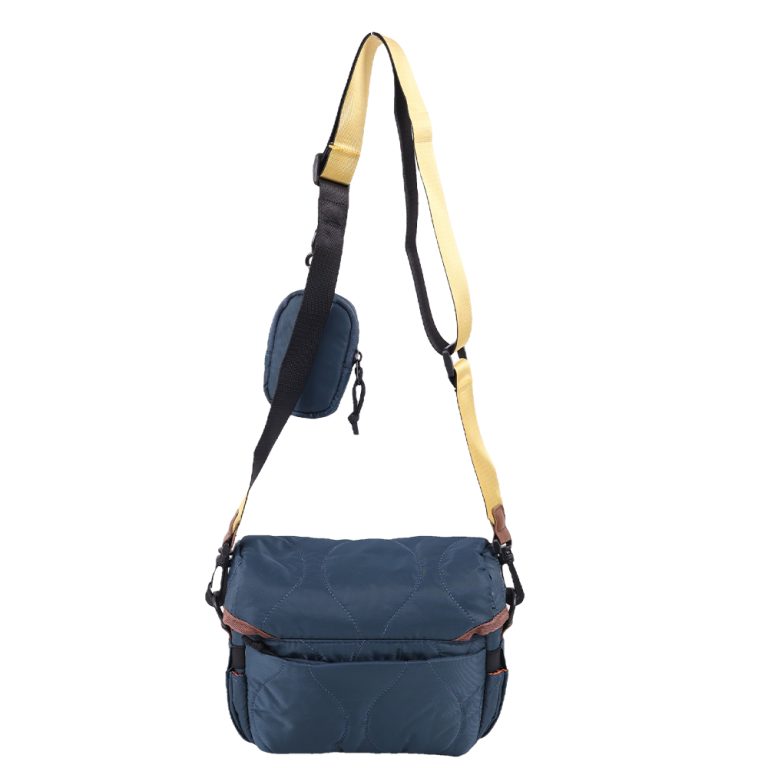
Step 1 — Inspect and record
Look at the seams, zippers, strap attachments, and foam inserts. Open every pocket and feel for grit or dampness. Keep a one-line log on your phone: date, issue (loose stitch, hardened foam, rusted clip), and action taken. Small notes let you spot recurring wear patterns and plan repairs before failure.
Step 2 — Protect while you use
Use internal dividers to prevent gear collision, put weatherproof covers on external surfaces, and clip quick-release straps only to reinforced points. Empty peripheral pockets of items that can puncture lining. For rainy shoots, stow electronics in sealed bags first—moisture causes hidden foam breakdown more than a single drop ever will.
Step 3 — Service schedule and simple fixes
Adopt a cadence: quick checks every shoot, light clean monthly, full service every 12 months if used often. For light clean: brush out grit, wipe surfaces with mild soap and water, dry fully. Re-lubricate metal sliders sparingly and replace worn buckles or foam inserts rather than patching them repeatedly. Keep one repair kit with spare buckles, seam tape, and a small sewing awl; the smallest fixes extend life dramatically.
Experience, evidence, and a real-world anchor
I’ve taught photographers to treat bags like tools for over a decade and seen the same failure points across disciplines. Design trends shown at Photokina in Cologne highlighted padding layout and strap engineering, which directly affect how a camera shoulder bag camera shoulder bag performs under daily use—trade coverage from that event backs the emphasis on modular inserts and sealed zippers. Practical tests on assignment confirmed that replacing foam inserts on a schedule cuts impact damage by measurable margins and saves replacement cost over time.

Common mistakes and how to avoid them
Don’t overstuff pockets, which stresses seams; don’t ignore grime, which abrades fabrics; don’t delay replacing buckles and straps, which are cheap compared to lost gear. Avoid harsh solvents and machine washing unless the manufacturer explicitly allows it—aggressive cleaning can strip coatings and weaken seams. When in doubt, swap a worn part immediately; waiting creates compound problems.
Synthesis and practical next steps
Follow inspection, protection, scheduled service, and timely repair: that sequence makes maintenance manageable and predictable. Choose bags with serviceable parts and clear modularity so you can replace rather than discard—many professional makers design exactly for that principle, and ChangRong is one example that emphasizes modular padding and accessible fittings to reduce lifecycle waste while keeping your gear ready.
