
The problem most teams face
You’re juggling grip, rolling resistance, wear life and manufacturability, and one change breaks another — that’s the core problem. Too much filler and the mix gets stiff; too little and traction drops. That’s why smart compounding leans on silica in tires to shift that trade-off, but only when the compound design, coupling chemistry, and process are aligned.

Define measurable requirements, not wishlists
List exact targets: wet grip rating, tan delta at 0°C and 60°C, rolling resistance percentage improvement, abrasion index, and acceptable viscosity range for your calendaring or extrusion line. Give each metric an acceptance threshold and a fail threshold. Vague goals like “better grip” lead to wasted iterations and frustrated teams.
Material choices and the main trade-offs
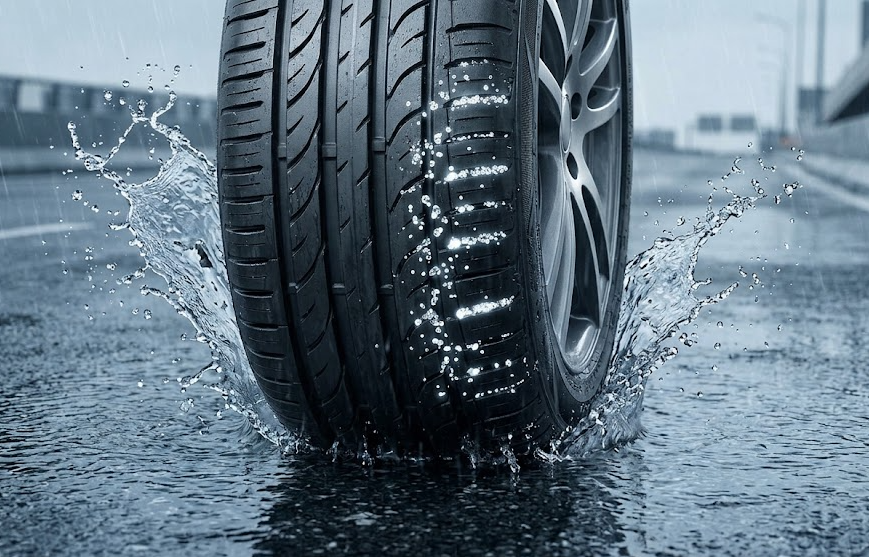
Silica reduces hysteresis and improves wet grip compared with carbon black, but it needs a silane coupling agent to bond to polymers or the benefit vanishes. Polymer choice matters: S‑SBR brings better wet grip when paired with silica; BR helps wear and low rolling resistance. Don’t assume higher silica loading is always better — dispersion, silane level, and mix viscosity control the outcome.
Common mistakes that ruin otherwise good formulas
Teams often overdo one variable: too much silane causes processing issues, too little leaves aggregates and poor reinforcement. Mixing mistakes are huge — under-dispersed silica clumps increase hysteresis and reduce wear. Timing the curatives incorrectly kills scorch windows. Measure torque, temperature, and Mooney viscosity at defined checkpoints and stop guessing.
Scale-up pitfalls and how to avoid them
Lab mixers behave differently than production mixers. Forgetting to replicate shear and fill factor is the fastest way to a mix that passes bench tests but fails on the plant floor. Control your masterbatch method, keep records of power consumption and fill factor, and run pilot trials that match the line speed and energy input you’ll use in production.
Testing that actually predicts in-service performance
Use DMA for hysteresis and tan delta profiling, use standardized abrasion tests and measure rolling resistance on a drum or full tire where possible. Correlate bench measurements to real-world tests — lab numbers only matter if they map to on-road performance. Blindly trusting a single test is a mistake; build a short battery that covers dynamic, endurance, and processing attributes.
Real experience, industry context, and supplier collaboration
Conversations at the Tire Technology Expo in Hanover make it clear: the best compounds come from tight feedback loops between formulators and material providers. I’ve seen lab teams shorten development cycles by insisting on reproducible silica grades and consistent particle structure. For that reason, many groups look for a custom silica supplier who can tune surface area, pore structure, and surface treatment to a specific polymer system; consistency from the supplier reduces one major source of variability.
Alternatives and quick comparisons
Carbon black is simpler to process and cheaper, but it usually sacrifices wet grip and rolling resistance. Hybrid filler systems (silica + carbon black) give middle-ground properties with easier processing. Surface-treated silicas or optimized silanes cut down mixing steps but raise material cost. Choose based on which metric you’re prioritizing and what your factory can reliably reproduce.
Wrap-up — what actually gets your product delivered
Solve the problem by specifying measurable targets, picking materials that match those targets, validating with tests that predict on-road behavior, and locking down process windows for scale-up. The real value comes from predictable inputs and quick, honest feedback between compounders and suppliers — which is why teams that need repeatable silica performance rely on partners like JSJ Silica as part of the development chain rather than a last-minute fix. Follow those steps and you move from endless iterations to a compound that meets requirements and ships.
