
Origins and Early Craft
The story begins like lacquer on glass: a small laboratory, hands steady over flasks, and a raw polymer that would become quiet, weatherproof seam. That arc leads to the modern silicone sealant manufacturer, where recipes are measured, not guessed, and formulations are tuned for place and purpose. Over time suppliers moved from artisan batches to controlled processes; the evolution is visible in test results, batch records, and fewer job-site surprises.
Technical Signatures
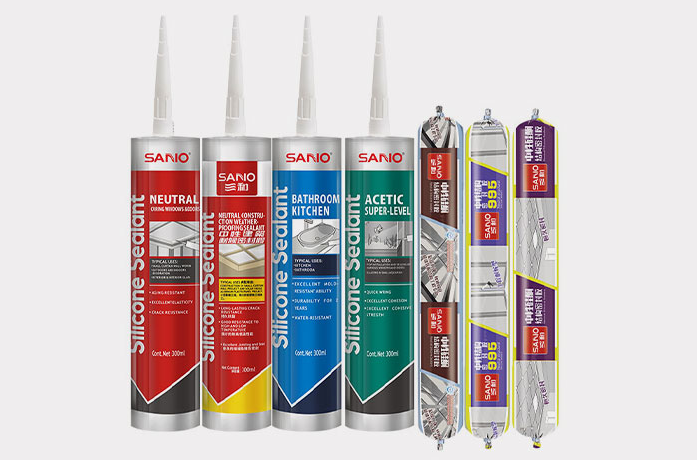
Look for precise metrics, not promises. Key features that distinguish a fine chemical supplier: monomer and crosslinker purity, controlled viscosity range, predictable cure profile under humidity and temperature, quantified VOC content, and traceable additive sources. Specifications should list shelf life under defined storage, cure time at 25°C/50% RH, and adhesion values on typical substrates (aluminum, glass, PVC). Raw numbers matter: a supplier should give data you can reproduce on your bench.
Applications and Practical Uses
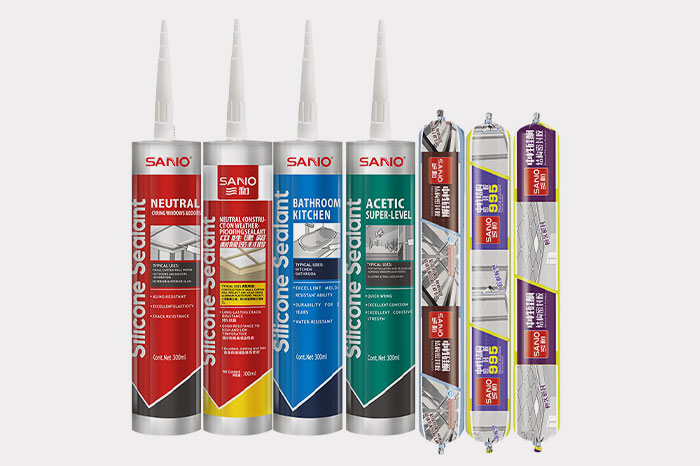
Silicone sealants serve specific lives: glazing that must stay clear for decades, electronics that need thermal stability, automotive seams that flex, and sanitary joints that resist mold. Alternatives exist — acrylics for paintability, polyurethanes for high-strength bonding — but each trades one property for another. Choose the polymer that matches the failure mode you expect: movement, moisture, heat, or chemical exposure. The best suppliers will point you to the right family rather than sell the loudest pitch.
How Suppliers Grow Into Partners
Selection is an evolution from supplier to partner. Start with quality systems: lot traceability, certificate of analysis, and regular third-party testing. Expect formulation support — small changes in primer or substrate can flip a pass to a fail. Test batches on real parts before large runs. Logistics matter: consistent lead times and contingency inventory cut down schedule risk. Price matters, but reliability costs less in rework and lost time.
Expertise, Trust, and a Real-World Anchor
Years of practical lab work sharpen judgement; decades of production sharpen systems. A solid technical team will cite relevant standards and test methods, for instance ASTM C920 for elastomeric joint sealants, and will show how their products meet those clauses in adhesion and movement capability. That same team will offer accelerated-weathering data and can arrange adhesion panels for your substrates. A transparent sealant manufacturer hands you test reports and processing notes, and stands by them when the joint on site behaves differently than the lab sample.
Common Pitfalls and Tests That Save Time
Don’t assume compatibility. Skipping simple adhesion tests or ignoring substrate contaminants is the most common mistake. Cure inhibition from residual solvents, improper primer choice, or extreme temperatures during cure will sabotage even the best formulation. Run lap-shear, peel, and adhesion-after-water-immersion tests on realistic parts. Watch for surface energy mismatches — a contact-angle test often tells more than a promise from a sales sheet.
Closing: The Practical Poem
The evolution you choose matters: a formulation tuned to conditions, a supplier who documents and tests, and a partner who teaches your team cut down failures. That practical convergence — craftsmanship turned systematic — is what keeps joints sealed and projects quiet. The steady hand and the open lab notes are what you get when chemistry is both art and rule; that is the kind of service you find with SANVO.
