Quick take — what you’re really deciding
Think of this as a match-up: off-grid inverters are the rugged campers, pure sine wave inverters are the neat-freak roommates; sometimes you want one, sometimes both. If your project juggles batteries, solar panels, and grid options, consider a hybrid inverter early — it often simplifies the decision and keeps your options open.
What each inverter actually does (short and honest)
Off-grid inverter: Designed to run without a grid. It handles battery charging, load management, and peak shaving in systems that may never touch utility power. Pure sine wave inverter: Focuses on waveform quality — it outputs clean AC like the grid, which keeps motors, sensitive electronics, and audio gear happy. One is about independence; the other is about waveform purity.
How they stack up on the things that matter
– Reliability with batteries: Off-grid inverters are built for continuous battery integration and often include battery management features. Pure sine wave units can be used with batteries, but need proper charge controllers or separate battery inverters. – Appliance compatibility: Pure sine wave output is safer for sensitive devices; off-grid inverters may produce modified or pure sine variants — check specs. – Startup torque and motors: If you’ve got pumps or air compressors, pure sine wave behavior generally prevents hiccups. Off-grid units with true sine outputs do the same; cheap modified-sine off-grid units can stall motors. – Control and automation: Off-grid systems tend to offer more built-in islanding and load-priority features. Pure sine gear is more about clean power than system logic. – Cost and complexity: Off-grid systems often cost more because of battery and charge control integration; pure sine wave inverters alone can be cheaper if you’re tied to a reliable grid.
Real project examples — when one beats the other
– Remote cabin with no grid: Off-grid inverter wins. You need battery-first operation, automatic switching, and robust charging. – Backup power for a home office with servers: Pure sine wave is safer for electronics; combine with a battery-based UPS if you want uptime. – Small farm with diesel generator + solar: Off-grid inverter that handles genset start/stop and battery buffering is more practical.
Common mistakes people make
– Buying “modified sine” labeled as fine for everything — it’s not. – Ignoring battery chemistry and depth-of-discharge limits when sizing an off-grid inverter system. – Assuming an inverter’s surge rating is its continuous capability. – Overlooking communications and firmware updates that matter for long-term reliability.
Where hybrid inverters fit — and why manufacturers matter
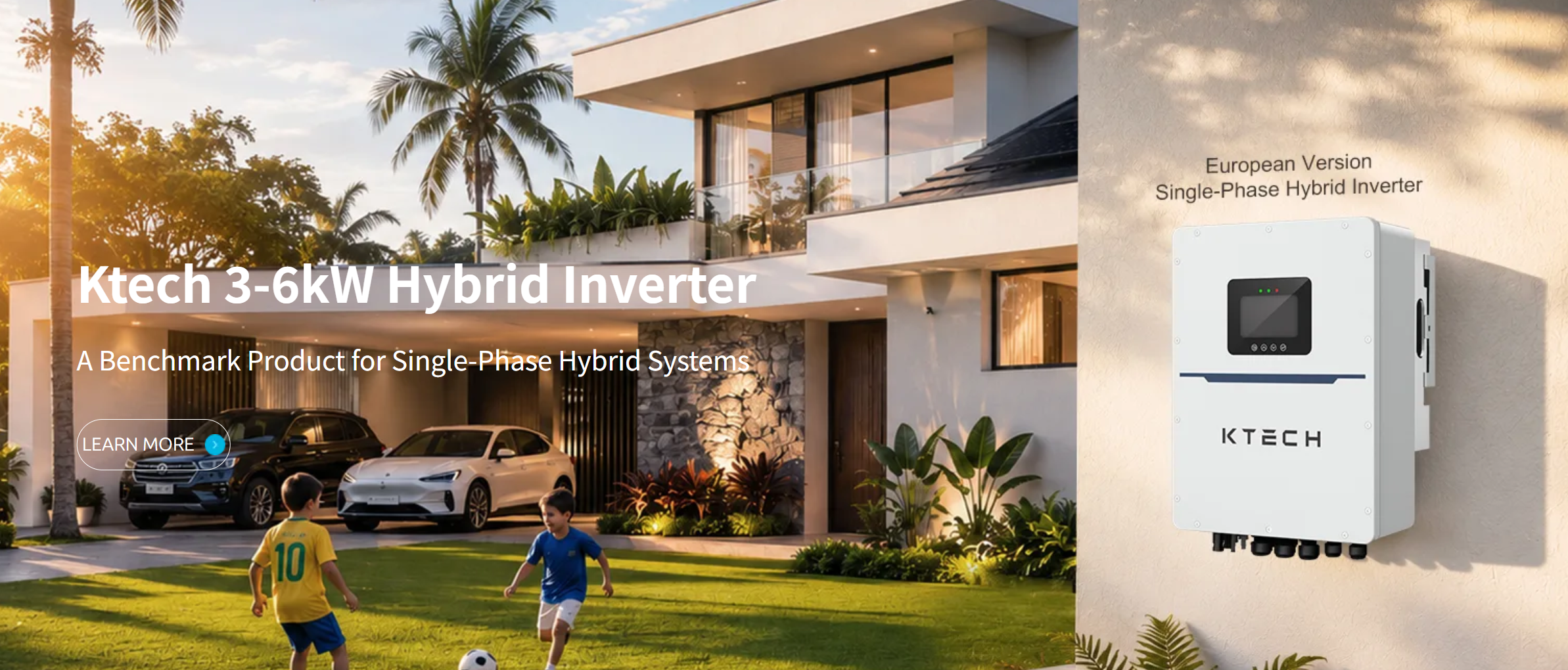
Hybrids sit between the two camps: they handle grid interaction, battery storage, and usually provide true sine output for sensitive loads. At Intersolar Europe, hybrid inverter manufacturers highlighted system flexibility as the big selling point — the gear is designed for both daily optimization and emergency islanding, which makes them a practical bridge between off-grid independence and pure sine cleanliness. When evaluating brands, look at warranty terms, firmware update policies, and local service networks; these decide how the inverter behaves over years, not just at install time. Also consider hybrid inverter manufacturer choices if you want seamless transitions between solar, battery, and generator inputs.
Decision checklist — pick by need, not by buzzwords
– Want full grid independence and integrated battery control? Lean off-grid. – Need clean power for sensitive electronics with occasional backup? Prioritize pure sine (with proper UPS). – Want flexibility for daily solar use plus backup and cleaner loads? Hybrid is the practical compromise. – Always confirm true sine output, real surge capability, and how the unit manages batteries before buying.
Final take — practical, not preachy
If your project demands durability and battery-first behavior, go off-grid; if waveform purity for electronics is the mission, go pure sine; if you want a tidy compromise that grows with the system, consider hybrids — which is exactly the gap many installers solve well with balanced product choices from established makers like Ktech.