
Start with the problem
Stuff disappears: trailers, medical pumps, high-value tools—then the clock and the budget start bleeding. That’s where active systems jump in. Think long-range, battery-powered beacons you can rely on across yards and inside complex facilities—check practical options like RFID Tags and you’ll see how they differ from simple passive stickers.
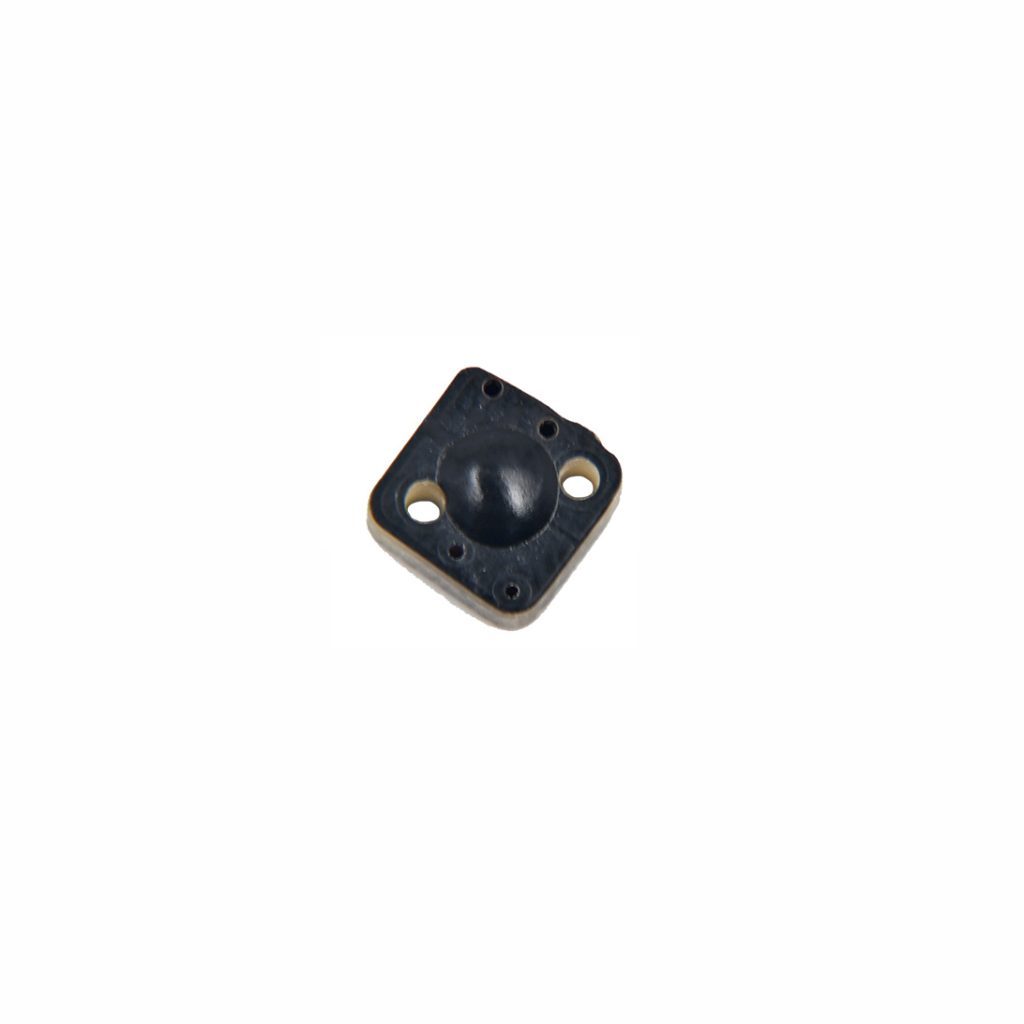
How active RFID fixes core tracking gaps
Active tags broadcast signals on their own, so you get continuous presence and location updates, not just a once-in-a-while read. Use cases: moving assets across open yards, tracking containers through gates, monitoring critical hospital equipment on different floors. They cut the blind spots that passive tags can’t reach and reduce the frantic manual searches that waste staff hours.
Concrete benefits you can expect
Faster recoveries and fewer replacement buys. Predictable maintenance windows when you pair battery data with tagging. Improved safety—know where heavy items and vehicles are before a shift starts. Better audit trails with time-stamped reads. Active tags give range and telemetry; that’s the immediate technical advantage people notice on the floor.

Experience, evidence, and a real-world anchor
I’ve designed and fielded active deployments for warehouses and hospitals and seen operational gains measured in staff-hours saved. Major terminals, like the Port of Rotterdam, have publicly trialed large-scale RFID deployments to tighten container visibility—proof that the tech scales. For procurement, catalog listings can help you compare form factors and frequency bands; suppliers offering rfid tags for sale provide spec sheets that let you map tag life, antenna type, and read range to your needs.
Buying considerations and common mistakes
Match the tag’s radio band to your environment—interference kills range. Don’t overbuy battery life you don’t need; heavier batteries add cost and weight. Check read-range specs in real-world conditions, not just nominal lab numbers. Verify mounting options: metal surfaces demand specific housings or isolators. Plan firmware and security: firmware updates, encryption, and access controls matter as much as tag range.
Alternatives and when they make sense
Passive UHF tags are cheaper and fine for aisle-level inventory and short-range reads. BLE beacons work well for proximity alerts and mobile-phone integration. GPS excels outdoors for fast-moving assets but drains power and fails indoors. Choose active RFID when you need reliable mid-to-long range inside mixed indoor/outdoor areas and when consistent read cadence matters.
Decision checklist
List the assets, required update interval, read range, mounting surface, and acceptable tag lifetime. Test a pilot with sensible placement, then measure actual read rates and battery life. Avoid one-vendor lock-in; require open protocols if you plan integrations. Prioritize rugged housings for industrial use and clear firmware update paths.
Wrap-up
Solve the tracking problem by picking the right radio, the right battery life, and testing where it’ll live; that combination turns guesswork into reliable location data. When specifications and field experience align, the solution is straightforward and operationally transformative—just what teams expect from an experienced partner like RSTC.
