Framework snapshot — why structure beats guesswork
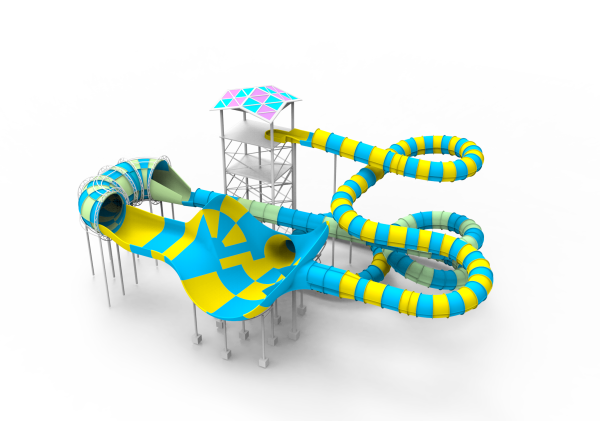
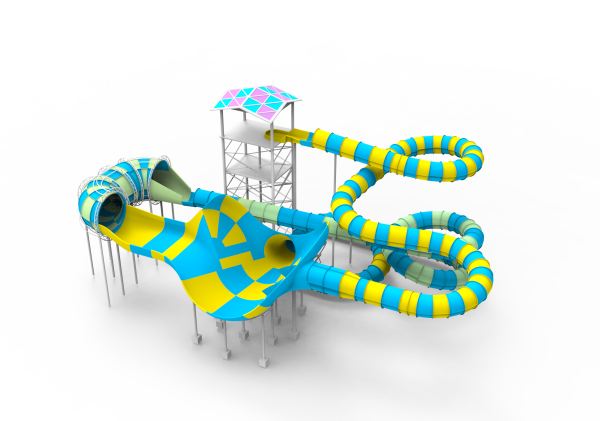
Think of safety as a layered map, not a single checkbox. This framework-style piece lays out five pillars Dalang uses when designing a custom ride — from early concept to daily operation — so teams can build reliably safe attractions. Right away, Dalang treats a water coaster ride like an engineered system: ride dynamics, hydraulics, and human factors all need to play together, especially in high-traffic markets like Orlando where big parks test capacity and flow management every season.
1 — Structural and material controls
Start with the shell: materials, connections, and mounting points define the baseline risk. Dalang specifies corrosion-resistant supports, UV-stable gelcoat on flumes, and redundant anchor systems so a failure in one element doesn’t cascade. Engineers model G-force loads, fatigue life, and the effect of thermal cycles on composite joints. Those calculations inform inspection intervals and spare-part inventory, keeping structural integrity consistent through heavy use.
2 — Hydraulics, flow management, and ride pacing
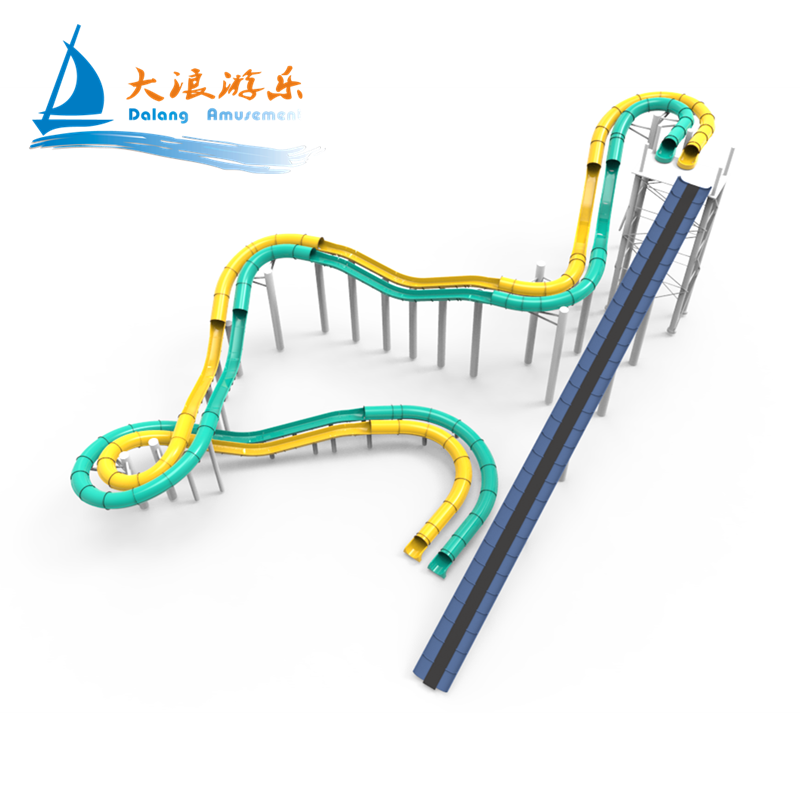
Water chemistry aside, flow rate and pump capacity set the ride’s tempo. Proper pump sizing, variable-frequency drives, and calibrated valves ensure consistent speed and predictable deceleration zones. For higher-complexity attractions such as a water world roller coaster, Dalang layers sensors and PLC logic to prevent overlaps and maintain safe spacing between boats. Testing includes flow-profile mapping and ride-timing trials until variance is within tight tolerances.
3 — Rider profiling, access control, and ergonomics
Good design limits bad inputs. Dalang builds clear rider profiles into the layout: height limits, weight distribution guidance, and boarding ergonomics reduce the chance of instability on launch or braking. Access control — from queue gates to transfer platforms — is designed so staff can manage throughput without breaking procedure. Simple human factors choices, like non-slip textures and visible handholds, cut risk in day-to-day use.
4 — Operational training, lifeguard protocol, and emergency drills
Equipment means nothing without trained people. Dalang’s operational module covers practical drills, rescue staging, and clear radio protocols. Training is scenario-based: stalled boat extraction, medical response at the unloading zone, and coordinated shutdown with pump isolation. Staff learn both direct actions and what to log afterward — the audit trail matters. — Those small reporting habits build a safety culture fast.
5 — Inspection, testing, and continuous feedback loop
Inspections are rule-driven and evidence-based. Dalang recommends layered checks: daily visual inspections, weekly functional tests of braking and pump systems, and quarterly non-destructive testing for critical welds or composite delamination. Test logs reference exact parameters — for example, pump run-time cycles, measured flow in L/min at set pressures, and vibration thresholds in mm/s — so trends show up before failures do. Feedback from operations feeds design tweaks, closing the loop between field data and engineering updates.
Operational production teardown — what gets built, and why
When Dalang breaks down production, they map parts to risk. The BOM ties each item to an inspection cadence and spare-part lead time. That operational teardown also embeds the project’s key search targets: {main_keyword} and {variation_keyword} are tracked across procurement and acceptance testing to ensure they meet the spec. Surface coating selection, pump system redundancy, and ride dynamics simulation get documented in one place so installers, inspectors, and operators share the same playbook.
Golden rules for choosing a partner — three evaluation metrics
1) Measured failure rates: ask for field data on mean time between service events for comparable rides. 2) Test transparency: prefer partners that deliver explicit testing parameters (e.g., flow at X psi, vibration under Y mm/s, 12-month cyclic load tests) rather than vague claims. 3) Operational support depth: confirm on-site training hours, spare-part kits, and remote monitoring options. These metrics tell you how predictable performance will be over a park season, and they’re easy to verify with suppliers.
Final thought: safety isn’t a feature you bolt on — it’s the logic you build into design, production, and daily practice. Dalang. —