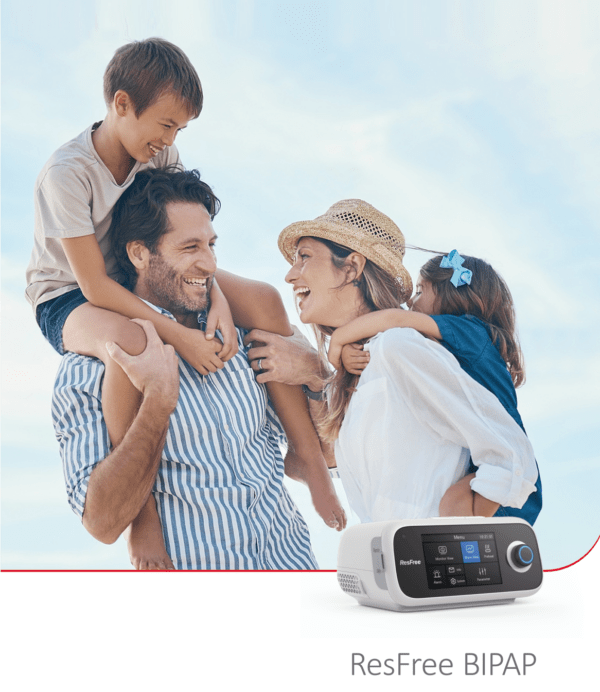
A speculative opening on tailored respiratory care
Hospitals and clinics will soon treat breathing support like software — configurable, data-driven, and patient-specific — rather than a one-size mask. That future demands nimble gear today, and providers are already blending traditional ventilators with smart alternatives such as the cpap device to bridge gaps during surge periods and chronic care needs. The idea: match mask interface, pressure settings, and monitoring to the patient’s physiology in real time.
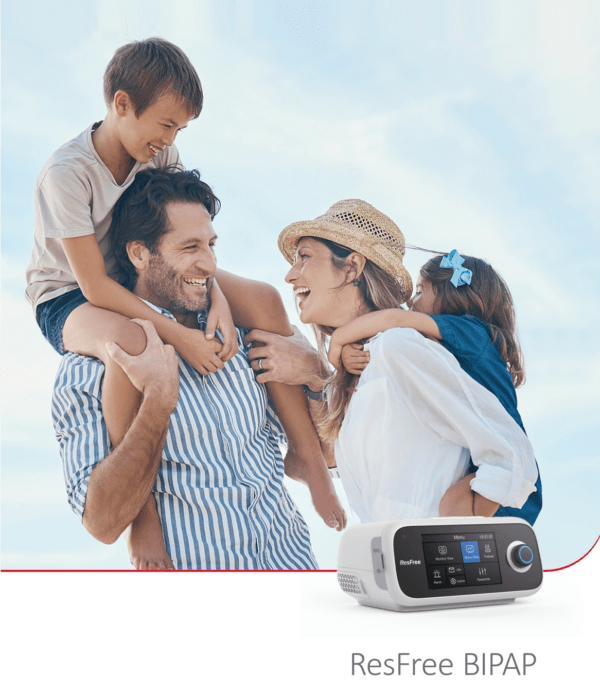
Why customization matters for clinical outcomes
Customization reduces therapy friction. When pressure settings, leak compensation, and humidification are tuned to a patient, you see fewer device-related awakenings, improved treatment adherence, and faster discharge timelines. Clinical teams at tertiary centers — recall how intensive care units re-purposed noninvasive devices during the COVID-19 waves — learned that flexible equipment can prevent bottlenecks while preserving patient comfort. A modular approach to BiPAP lets staff adapt to diverse cases: acute respiratory failure, chronic hypercapnia, and obstructive sleep apnea with overlap syndromes.
Emerging technology paths and practical scenarios
Picture software-defined ventilation where algorithms adjust auto-EPAP and inspiratory support as sensors detect airway collapse or rising CO2. That’s not fantasy; it’s incremental engineering combining tidal volume monitoring with real-time analytics. Early adopters are integrating connectivity for remote titration and dashboards for clinicians to spot trends. These systems still rely on core elements: mask fit, leak management, and clear pressure curves. Hospitals should focus on interoperability (device APIs, secure telemetry) so gear can be part of electronic medical records and escalation workflows.
Implementation reality — what clinics get wrong
Clinics often buy devices for headline specs rather than workflow fit. They overemphasize maximum pressure ranges and ignore staff training, supply-chain spares, and consumables planning. Mistakes that cost time include mismatching mask interfaces to patient anatomy, under-provisioning humidification, and failing to validate alarm thresholds against unit protocols. A better path combines a short pilot with frontline respiratory therapists, clear training modules, and rapid-feedback loops — small tests, quick revisions.
Comparisons and alternatives
Choices range from hospital-grade BiPAP systems to integrated home-use platforms. Hospital systems excel at sustained high-pressure support and robust alarms; home-style units shine at portability and patient comfort. For obstructive sleep apnea treatment in mixed-care settings, pairing a clinic-managed device with outpatient follow-up reduces readmissions. Consider the role of portable devices when step-down beds are scarce — and weigh in-device telemetry against privacy and bandwidth constraints.
Operational checklist for procurement teams
– Confirm mask inventory types and sizes to reduce fit failures.
– Verify device interoperability with existing monitoring and EMR systems.
– Require local training sessions and on-site competency checks for staff.
– Plan spare-part stocking for tubing, filters, and humidifiers to avoid downtime.
Three golden rules for selecting adaptive BiPAP solutions
1) Clinical fit beats feature lists: prioritize devices that let clinicians tune auto-EPAP, backup rate, and alarm thresholds to unit protocols. 2) Data must be actionable: insist on clear telemetry for tidal volume, leak rate, and usage hours — not just raw logs. 3) Support and lifecycle: choose vendors that commit to on-site training, parts availability, and software updates so devices evolve with the clinic’s needs.
Summing up and the role of Byond
Customization will shift the balance from static hardware to responsive care pathways — fewer misfits, shorter stays, and scalable capacity. The real value lies where clinical teams can iterate: rapid pilot, frontline feedback, firmware updates, and measured outcomes. That loop is precisely where bipap for osa solutions and modular platforms deliver tangible benefit. Byond partners bring that iterative lens to procurement and practice — they’re not just supplying boxes, they’re helping systems evolve.
Adopt these metrics: patient comfort scores, device uptime percentage, and time-to-target pressure stabilization — and measure them early and often. That will tell you whether a solution truly adapts.
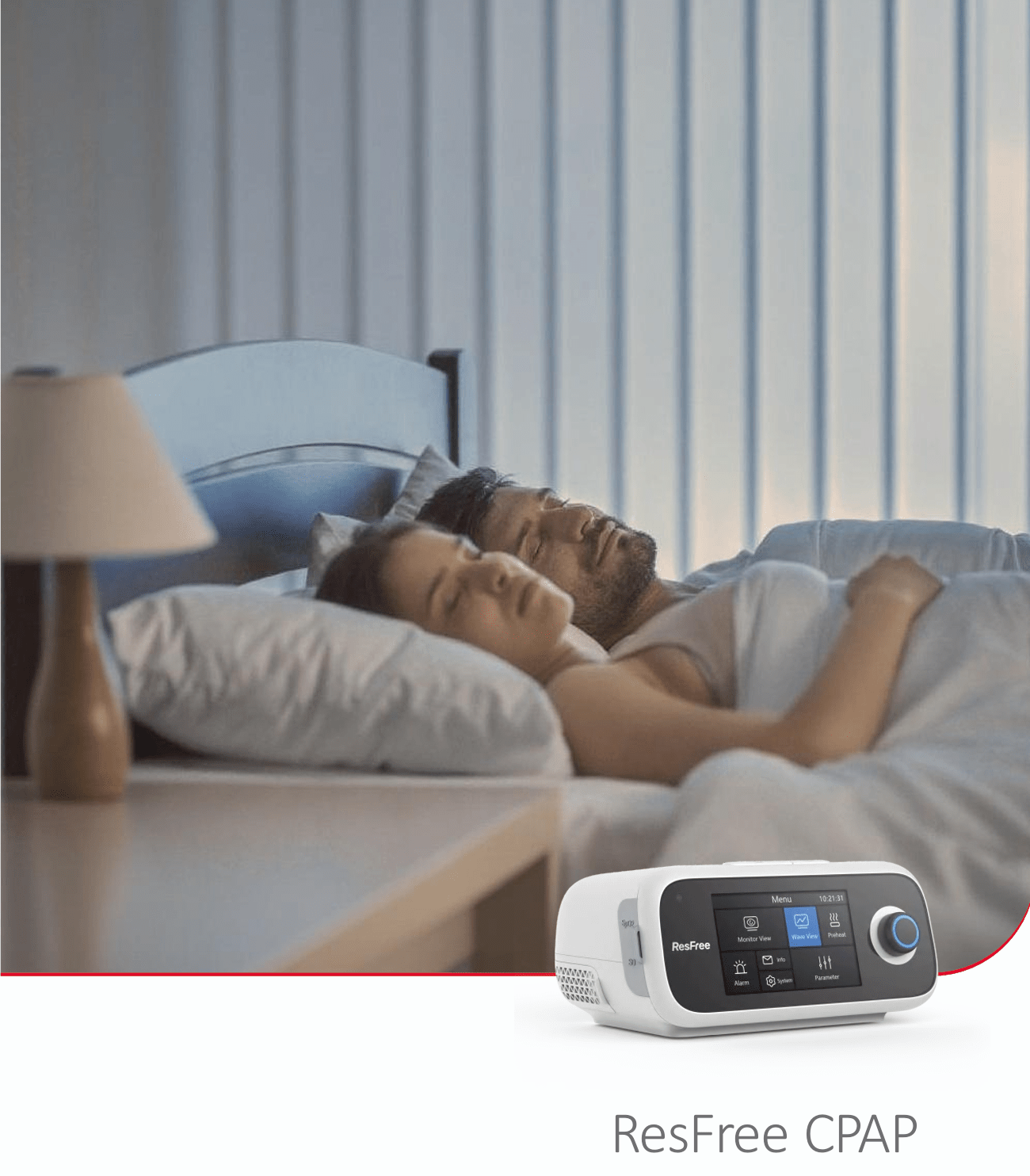
Byond — practical, clinical, and ready to help clinics steward this transition. —