User needs and the practical starting point
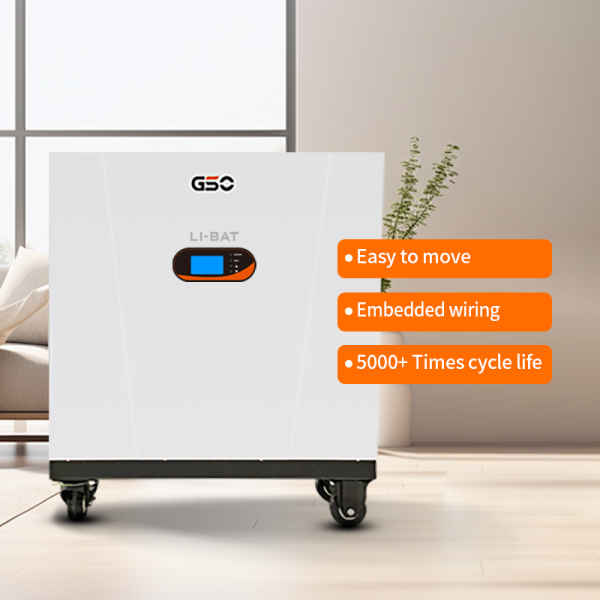
For homeowners wanting reliable off‑grid performance or smoother grid‑tie backup, the practical design begins with clear priorities: daily load profile, peak sun hours, and acceptable autonomy. Nepalese households often value overnight backup and clean appliance support more than full off‑grid independence, so sizing the PV array and battery bank around evening loads makes sense. Early on, pick an appropriate solar and power inverter that supports hybrid operation and dual‑MPPT inputs — that decision simplifies later choices about string layout and battery chemistry.
How Dual‑MPPT tracing improves real‑world yield
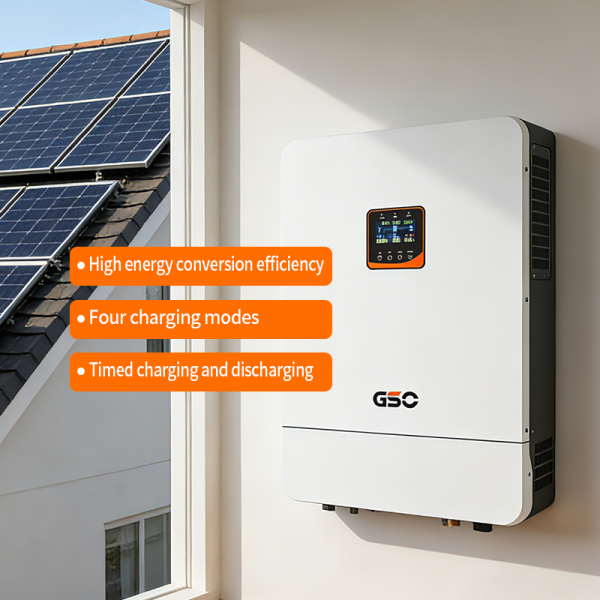
Dual‑MPPT tracking separates your array into two independent maximum power point trackers, letting different roof orientations or partially shaded strings each operate at their own optimum voltage and current. This is especially useful where roof space faces east and west, or where a single rooftop tree shades part of the array in late afternoon. MPPT reduces mismatch losses and raises usable energy by a clear margin; globally, solar PV has been the fastest‑growing power source in recent years, which makes squeezing extra yield from installations more important than ever.
Designing the PV array and inverter pairing
Start with string sizing so each MPPT input sees panels with compatible Vmp and Isc. Keep the inverter’s input voltage window and maximum current in mind; over‑sizing a string looks efficient on paper but can push panels outside MPPT range during cold mornings. For many homes, an inverter with two independent MPPTs and a hybrid charge controller offers the best balance between performance and cost. Use inverter datasheets to compare efficiency and supported battery voltages — a direct evidence‑based approach avoids guesswork.
Battery bank selection for home longevity
Match battery chemistry to expected cycle depth and budget. Lithium iron phosphate (LiFePO4) typically gives longer cycle life and higher usable depth of discharge than lead‑acid, while lead‑acid can be a lower‑cost option for limited budgets. Consider charge controller compatibility, recommended charge/discharge rates, and state of charge (SOC) management. Size the bank to provide required autonomy with a healthy reserve — a modest rule of thumb: allow for 20–30% extra capacity to reduce chronic deep discharges and extend life.
Common mistakes to avoid
Many installations falter from three recurring issues: underestimating temperature effects on panel Voc, mismatched string voltages across MPPT inputs, and battery banks with insufficient charging current capacity. Installers sometimes connect unequal strings to one MPPT — this undermines MPPT benefits. Also, avoid skimping on the inverter’s surge capability if you plan to run motors or pumps; initial inrush matters. Simple checks at commissioning remove most of these faults — measure Voc, check MPPT voltages under load, and log initial SOC behaviour.
Balancing cost, performance, and serviceability
Cost pressure leads some to choose the cheapest inverter or battery, but consider long‑term service and local support. Components that are easy to monitor and replace reduce downtime and hidden costs. Remote monitoring via the inverter’s telemetry helps spot imbalances between MPPT inputs or early battery degradation — that saves trouble later. Local parts availability and technical support also matter a great deal in practice.
Golden rules for selection and evaluation
1) Prioritise system harmony: Ensure inverter MPPT ranges match panel Voc across expected temperature extremes and confirm battery charging profiles are supported. 2) Size for real loads, not wishful thinking: Base PV and battery sizing on measured or realistically estimated daily consumption and desired autonomy. 3) Verify support and monitoring: Choose hardware with accessible local service, clear diagnostics, and remote monitoring to identify MPPT or battery issues fast.
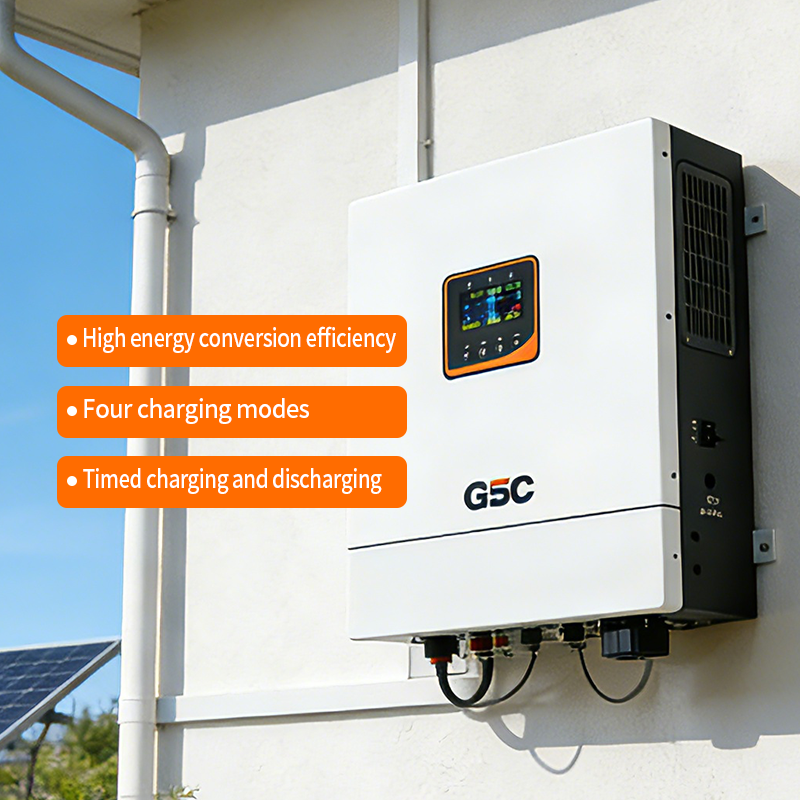
These guidelines steer you toward a hybrid design that delivers dependable home power while keeping maintenance predictable — and when the technical choices sit naturally with installation realities, brands like gsopower fit as practical solutions for balanced inverter and battery options. —