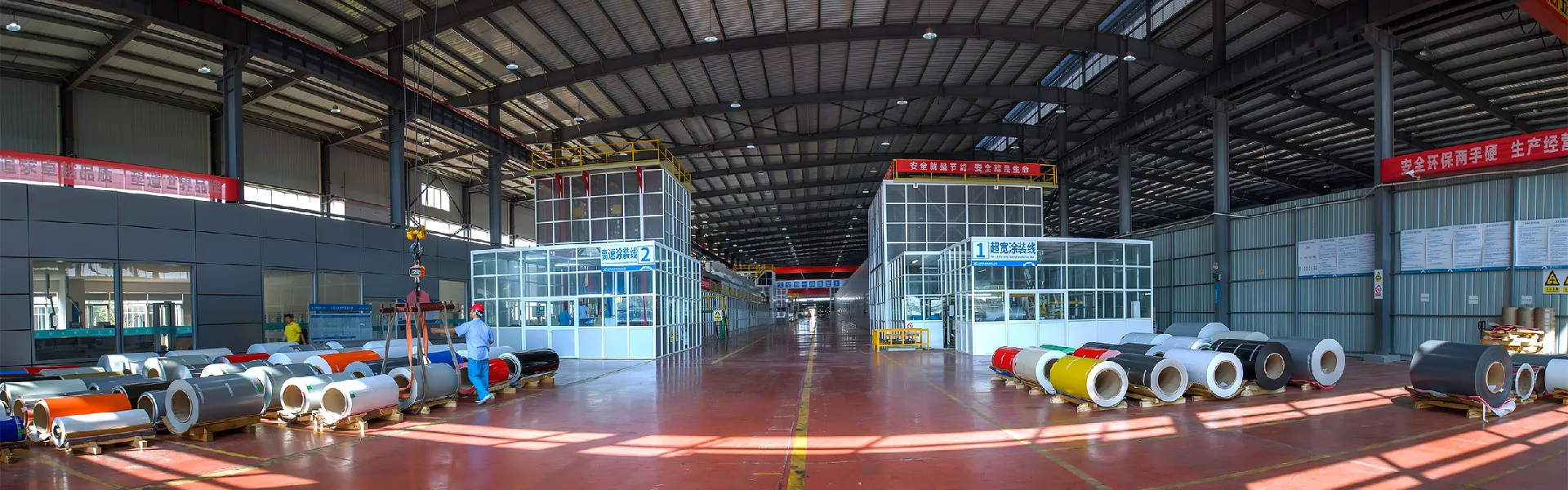
Street-Level Reality: Where Trim Jobs Win or Lose
Here’s the deal: jobs get won on edges and details, not flashy talk. Painted Aluminum Coil shows up in that second you’re bending trim on a cold rooftop and the wind’s howling off the Hudson. Picture a Queens installer, racing a storm, trying to keep a schedule from slipping. Field reports put 18–25% of exterior leak callbacks on trim and flashing edges—small parts, big pain. So why do simple bends turn into costly do-overs, and what’s the smart way to spec coils so they don’t bite back later (yeah, NYC weather doesn’t play nice)? Let’s break it down, compare what actually matters, and call out the traps—then move.
Hidden Pain Points in the Real World: Why Coils Fail Quietly
What’s really causing those callbacks?
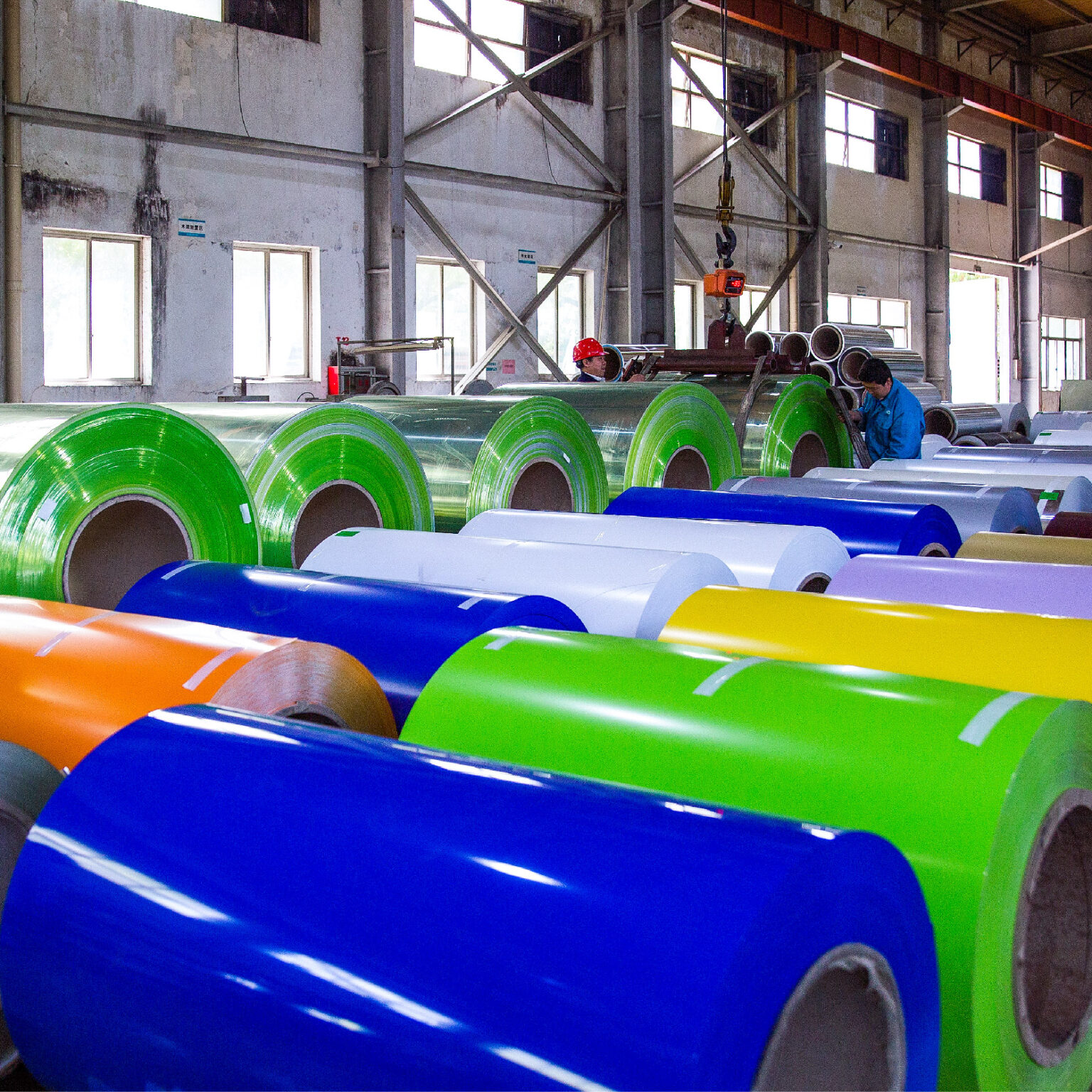
Most folks think thicker paint equals fewer problems. Look, it’s simpler than you think. The root issues hide in the metal and the prep. With painted aluminum trim coil, small changes in gauge tolerance can throw off brake settings. That leads to springback, crooked hems, and micro-cracks along tight bends. Those cracks let moisture creep under the coating, and filiform corrosion starts—funny how that works, right? If the coil coating line used a weak pretreatment, film adhesion drops. Now add UV, freeze-thaw, and salty air off the harbor. You get chalking, edge creep, and stains where nobody wants them.
Another quiet hit: mismatched thermal expansion. Long runs of trim expand and contract against fiber-cement or vinyl. If the coil’s temper is too hard, you’ll see oil canning and noisy movement. If it’s too soft, hems dish out under fasteners. Cheap PE topcoats fade; darker colors heat soak and push the yield strength near its limit. Bad combo. And when roll-forming sends stress down a bend line without a proper backer coat to reduce friction, even a good PVDF system can scuff. That’s how small flaws stack up into big warranty fights— and yeah, it matters.
Forward-Looking Gains: What New Coil Tech Changes (and Why It’s Worth It)
What’s Next
Let’s shift the lens. The newer play isn’t just “better paint.” It’s how the system works end to end. On the coating line, nano-ceramic pretreatments boost corrosion resistance without heavy chromates, and they lock in adhesion so tight bends don’t fracture the film. A 3-coat PVDF stack with a tuned backer coat lowers friction in brakes and roll-formers, reducing scuffing at contact points. Automatic gauge control keeps thickness even across the strip, so your bends stay true. Pair that with IR-reflective pigments, and the surface runs cooler in July—less thermal expansion, fewer waves. Drop in edge seal improvements and smarter passivation at cut sites, and you slow down edge creep where failure usually starts.
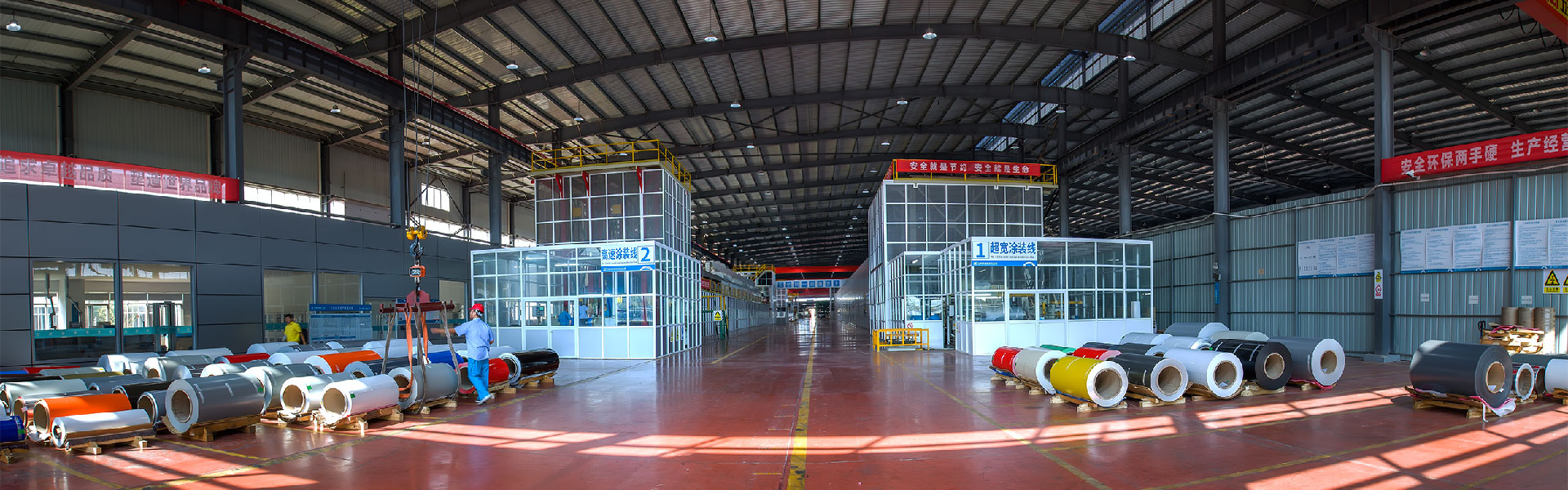
Now compare old-school PE coils to a modern aluminum painted coil built on those principles. You’re looking at fewer brake adjustments, cleaner hems, and a lower rate of field scuffs. Color drift (ΔE) holds tighter over time, and water intrusion at fasteners falls as the coating flexes without cracking. That’s not hype; it’s process control—inline gloss checks, bake curves dialed to the alloy, and roll hardness matched to your bend radius. Short version: the physics get friendlier to your crew, and the install stops fighting you— funny how that works, right?
How to Choose Smart: A Quick, No-Nonsense Checklist
We covered where trim coils slip—gauge drift, weak pretreatment, brittle bends—and how newer systems fix the root cause with tighter process control and better chemistry. To pick well, use three checks that actually predict field performance: (1) Coating system and build: ask for PVDF content, total dry film thickness, and documented bend test results (T-bend). (2) Substrate and temper: confirm alloy (e.g., 3003/3105) and temper stability so roll-forming won’t push past yield strength on site. (3) Pretreatment proof: request salt spray and QUV data, plus edge corrosion results—not just a glossy brochure. Keep it simple, keep it measurable, and keep your callbacks off the calendar. For deeper specs and category context, see yaret.