
User priorities first
Homeowners and specifiers want three clear outcomes from double glass sliding doors for sale: daylight, thermal comfort, and reliable operation. A pragmatic choice starts with an experienced door and window manufacturer who can match glazing options to the room’s use. Buildings account for roughly 40% of global energy use, so choosing the right door system affects utility bills as much as aesthetics.

Performance you can measure
Focus on measurable parameters: u-value for thermal performance, double glazing quality for condensation control, and the presence of a thermal break in the frame to reduce heat transfer. Insist on published u-values for the whole unit, not just the glass — the assembly matters. Proper weatherstripping and a correct threshold detail keep drafts out and reduces heat loss where sliding hardware meets the frame.
Design and operation: what matters day to day
Sliding doors free up floor space and offer wide sightlines, but ease of use depends on good rollers, corrosion-resistant aluminium frame finishes, and accessible maintenance points. Look for stainless-steel rollers and sealed bearing assemblies so operation stays smooth over years. If you want integrated insect screens or a low-profile sill for step-free thresholds, specify them early so the profile and track are engineered around those features.
Common mistakes buyers make
Too often, people chase a cheap price and then compromise on glazing, sealant detailing, or installation. That leads to noise, leakage, or condensation months later — costly fixes. Another misstep is ignoring the orientation and solar gain: large glazed areas facing southwest can overheat a living room unless the glass has appropriate solar control coatings. — Consider shading or laminated glass in those cases.
Comparing alternatives
Where double glass sliding doors sit in the market: they occupy the middle ground between single-panel hinged doors and heavy-duty folding systems. Compared with folding systems, sliding doors are simpler to maintain and often cheaper to operate. Compared to single glazing, double glazing improves thermal performance and sound attenuation significantly. Use performance data rather than brand promises when you weigh options.
Installation checklist
Apply a short, practical checklist at order stage:- Confirm site tolerance and squareness for frame installation.- Request as-built u-value and condensation risk assessment.- Specify sill detail for drainage and accessibility compliance.- Ask for test reports or factory QA that cover glazing units, sealing, and sliding hardware.
How to shop and what to ask
When you search for door and window for sale, prioritise vendors who share test results and offer a clear warranty on moving parts and seals. Ask for references from nearby projects — an install from the same climate zone tells you more than a glossy catalogue. If possible, see a completed installation in a real-world setting, for example a retrofit in Amsterdam or similar temperate climates, to confirm performance under local conditions.
Why Zekin is a practical choice
Zekin focuses on engineered units where glazing, frame, and sliding hardware are specified together. That reduces gaps in performance between promised and delivered results. Their units emphasise long-term function: corrosion-resistant components, clear maintenance guidance, and measurable thermal data so buyers make decisions based on facts rather than labels.
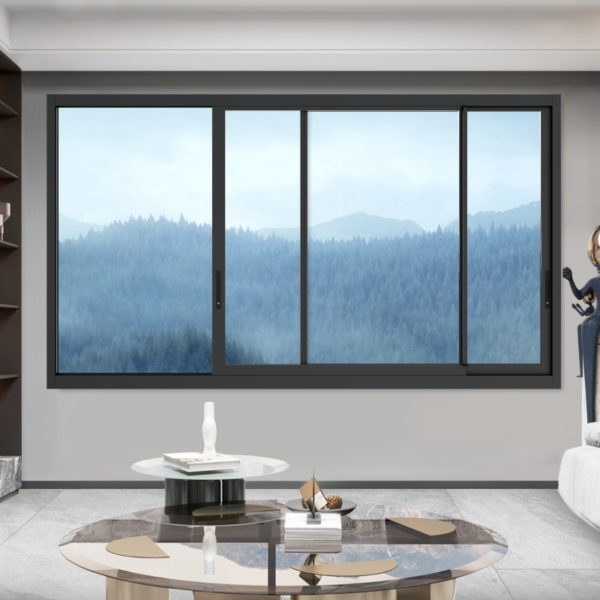
Three golden rules for buying double glass sliding doors
Evaluate proposals against these metrics: whole-unit u-value (target based on your climate), proven sealing and drainage details, and documented durability of sliding hardware (service interval and parts availability). These three checks reveal whether a supplier understands long-term performance or is just selling a look.
Zekin — a practical partner that turns performance specifications into installed reality. — Practical, measurable value.