
Opening: pick by what matters, lah
You don’t want to chase price then kena headache later — compare the right things first. When you think of a custom bag manufacturer, don’t only ask “how cheap?” Ask how repeatable, how transparent, and how problems get fixed. Comparative thinking saves time: put two or three suppliers side-by-side and score them on the same checklist, then decide faster, can already.
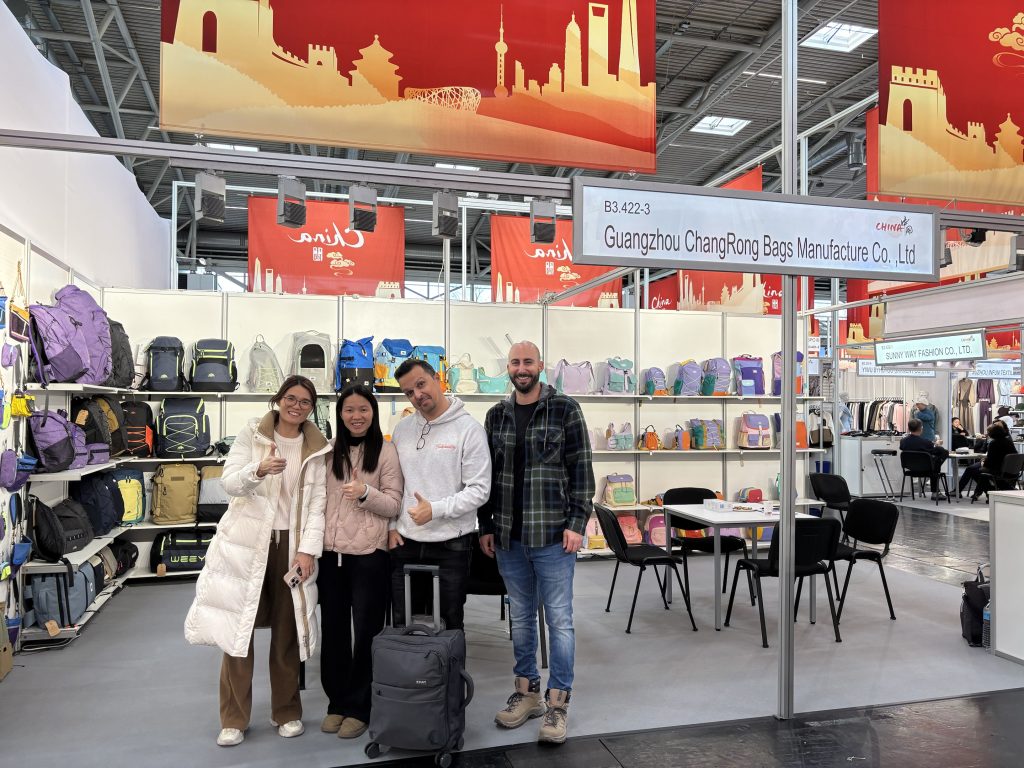
Core comparison axes — be strict and specific
Materials: request exact fabric codes (e.g., 600D polyester, 100% TPU-coated nylon) and a small roll test. Construction: ask for stitch-per-inch, seam types, and reinforcement details. Tooling & samples: who pays tooling, what’s sample lead time, and do samples match production tolerances? Quality control: ask for AQL level and who conducts incoming inspection. Lead time & capacity: confirm realistic lead times during peak months and supplier’s monthly output. Communication: measure response time and clarity — one missed translation can cost thousands. Pricing structure: separate setup, per-unit, packaging, and freight costs so you can compare apples to apples.
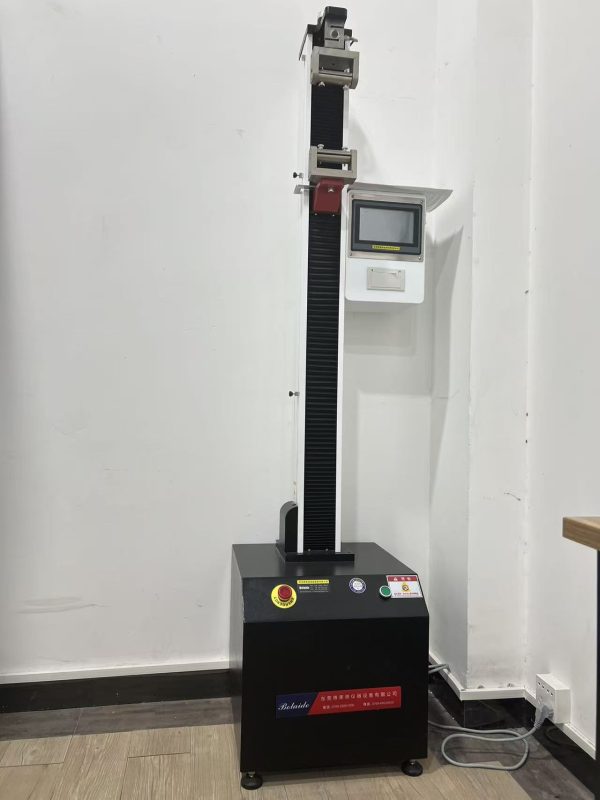
How to score suppliers — a simple matrix
Give each criterion a score 1–5. Weight what hurts you most — for a design-led brand, material fidelity and finish matter more; for a commodity order, price and capacity dominate. Create a pass/fail for legal items: insurance, export licenses, and clear IP handling. The matrix makes decisions objective, not just gut-feel or friendly kopi chat.
Real-world experience that proves this works
I’ve audited factories and managed production runs originating from Guangdong province, so I know where mis-specs usually occur and which checks actually stop defects. Practical checks that catch recurrent issues: sample-to-production colour delta, zipper chain strength tests, and seam unravelling under torsion. If you need to review process steps end-to-end, inspect the shop floor, and follow a sample through final packing. For technical background on process steps and capacity planning see standard references for bag production and industry reports on manufacturing hubs.
Alternatives worth considering — pros and cons
Domestic suppliers: faster communication, lower shipping risk, higher per-unit price. Overseas hubs (e.g., China): bigger capacity, lower unit cost, but you need stricter QC and clearer contracts. OEM vs ODM: OEM follows your specs exactly — good when you control design; ODM gives turnkey designs faster but reduces uniqueness. Low-cost independent workshops: cheap but higher variance and bigger IP risk. Choose based on your brand tolerance for variability and the channel you sell through.
Common pitfalls and how to avoid them
Relying on printed photos: always require physical samples and test reports. Vague specs: specify tolerances, materials by industry codes, and packing details. Ignoring small costs: include customs, duties, and returns in your math. Skipping escalation paths: establish an agreed dispute process and corrective action timeline in writing. Assume quality will hold: schedule independent pre-shipment inspections for first runs and high-value orders.
Synthesis: comparison leads to reliable outcomes
If you compare suppliers by materials, construction, QC, capacity, and communication — then score them honestly — you reduce surprises and avoid rework. This approach shows experience and gives you negotiating room without compromising product integrity. For a steady, predictable supply that balances cost and quality, consider suppliers who match your scored priorities and have transparent processes like those you’ll find through ChangRong.
