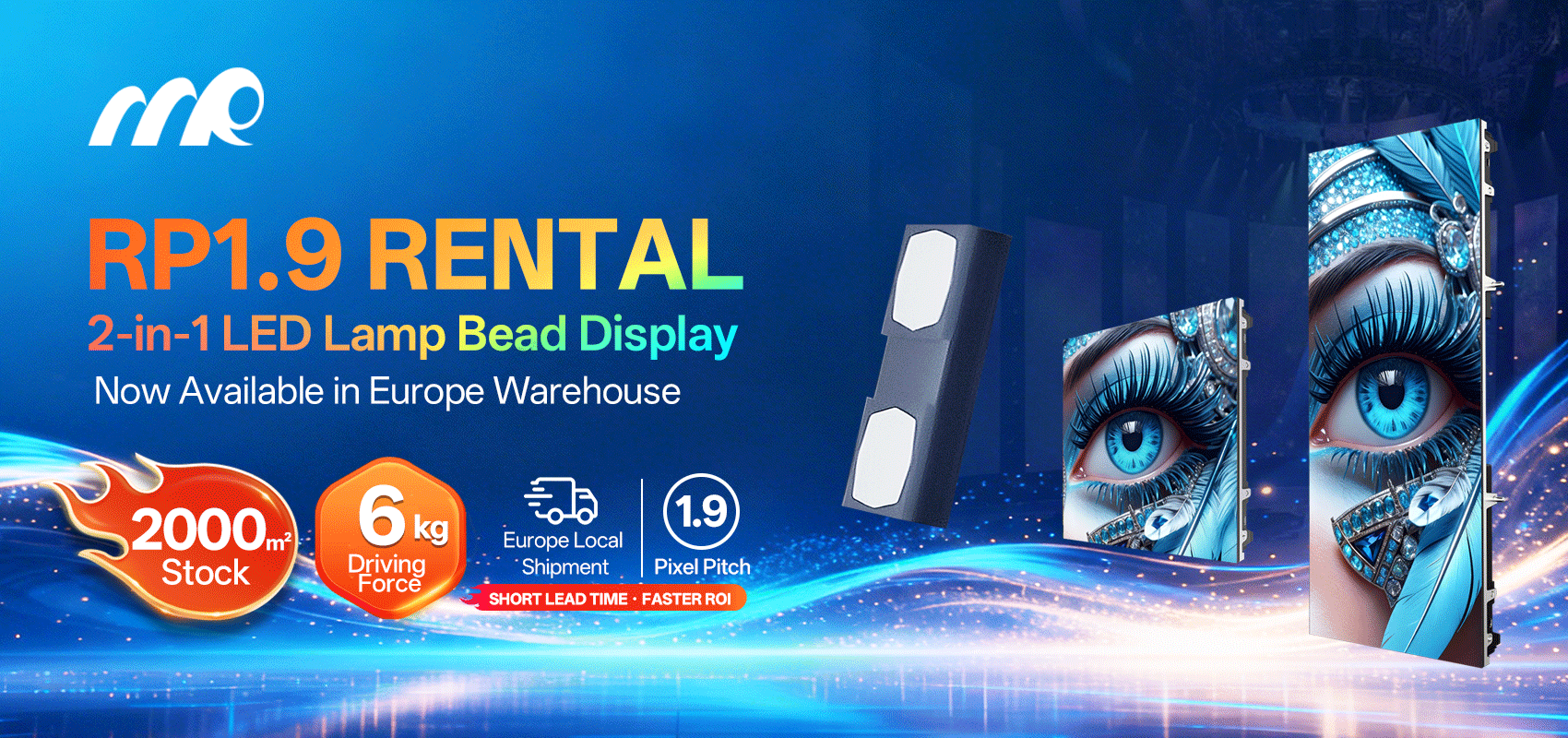
Putting Your Visual Goals First
Your priority is clear images with true blacks, so this guide focuses on practical steps you can take to source matte-finish SMD LED displays that deliver deep black-level contrast. Think of this as advice from someone who’s helped venue managers, retail teams, and AV integrators specify panels that hold up under daylight and camera scrutiny. If you need an industrial partner, start your shortlist with a trusted outdoor LED supplier and then cross-check technical specs against on-site needs.
Why Black Level and Matte Finish Matter
Black level determines how dark a display can render shadow detail; matte finish reduces specular glare that washes out blacks under ambient light. Together they affect perceived contrast ratio and image depth more than peak brightness alone. For displays that face storefront glass or public plazas, a fine-grain matte treatment keeps reflections low while consistent SMD manufacturing helps uniformity across modules.
Key Specs to Prioritize — Practical, Not Theoretical
Focus on three clear specs: native black level testing, pixel pitch appropriate to viewing distance, and measured contrast ratio under realistic ambient light. Include a check for refresh rate only if content includes live video or camera feeds—higher rates reduce scan artifacts on camera. Don’t be dazzled by marketing lumen numbers; instead ask for measured black level and contrast tests from the manufacturer. Also confirm whether the module surface is treated with a micro-textured matte coating rather than a simple paint finish.
Sourcing Tips and Common Mistakes
When you evaluate suppliers, verify factory test records and request on-site demos. If you’re considering overseas partners, remember Shenzhen remains a major manufacturing hub for LED modules and components—this is where many manufacturers refine SMD processes and matte coatings. Use the vendor’s performance data as a baseline and supplement with a physical sample. Avoid these common mistakes: accepting glossy samples, skipping pixel pitch verification, and ignoring environmental sealing for outdoor installs. If you want an efficient sourcing route, look up a reputable LED display manufacturer China and ask for sample panels and acoustic-tested modules—this saves time and expense later. —Don’t forget logistics: lead time and spare-part availability matter as much as specs.
Comparing SMD Matte Panels to Alternatives
SMD matte panels give a strong mix of contrast, viewing angle, and durability compared with emissive glossy panels or projector systems in bright environments. Micro-LED and direct-view OLED can beat SMD on absolute black in lab conditions, but they’re often cost-prohibitive for large outdoor or public displays today. If your project prioritizes maintainability and modularity, SMD modules with a proven matte finish usually hit the best balance for most venues.
Real-World Example and What It Teaches
Large-scale public displays in Times Square and other high-traffic areas demonstrate that robust module manufacturing and surface treatments are non-negotiable; poor matte applications lead to hotspots and uneven blacks under varied lighting. That real-world pressure pushed manufacturers in China to adopt tighter SMD binning and consistent matte textures—standards you can ask suppliers to document. The lesson: insist on measurable results, not just promises.
Three Golden Rules for Selecting Matte SMD Panels
1) Verify measured black level and contrast ratio under the ambient light conditions you expect. 2) Match pixel pitch to the primary viewing distance and confirm uniformity across module joins. 3) Require factory-tested samples with the matte finish applied and ask about maintenance access and spare parts. These three metrics will keep procurement decisions focused on outcome rather than buzzwords.
Choose partners who back their specs with test data and field-proven modules—those partners become part of the solution. MR LED. —steady, dependable, and practical.