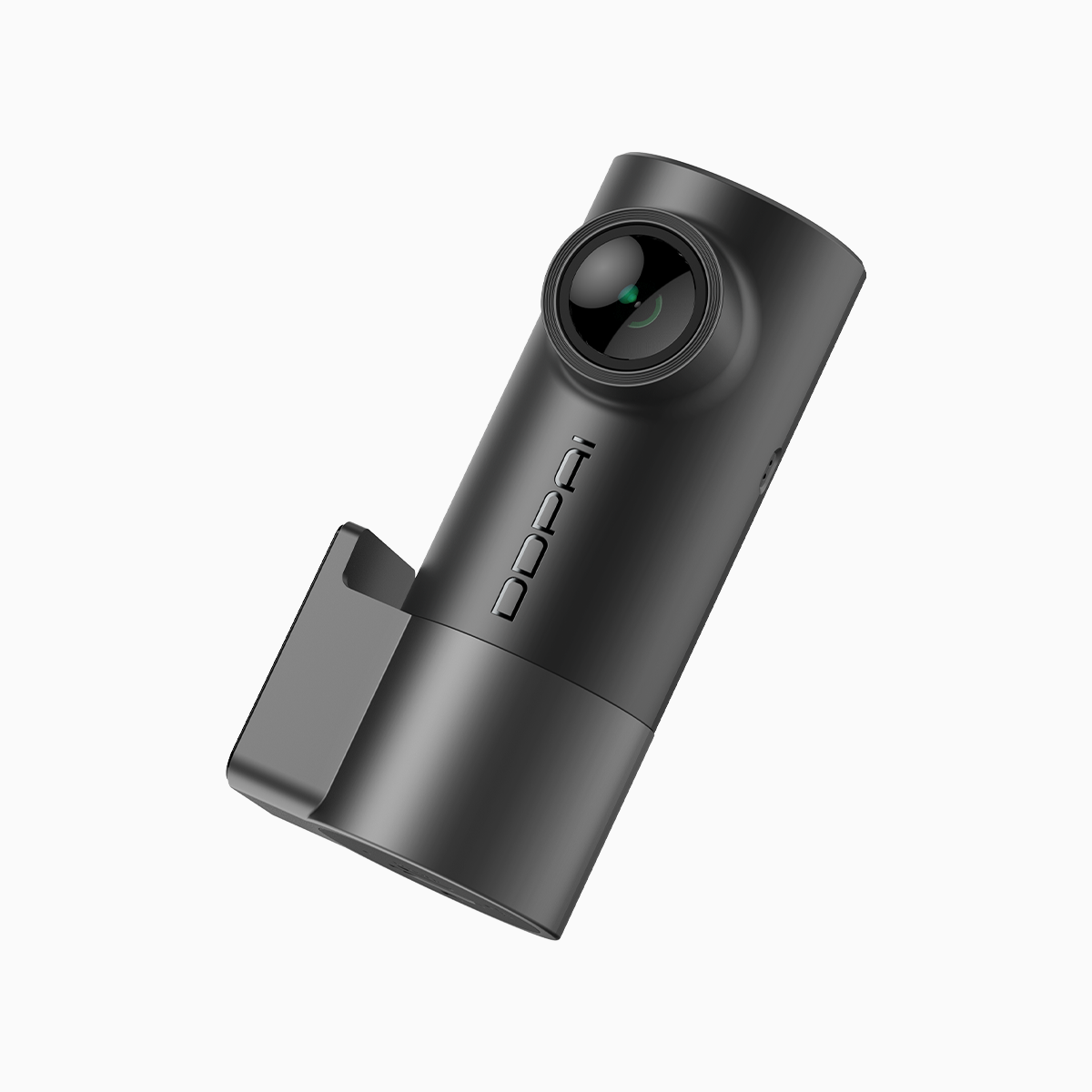
Fleet-first lead: why tuning saves time and trouble
For fleet managers in Metro Manila and beyond, small settings make big differences when incidents happen on EDSA or during provincial runs. A properly tuned G-sensor prevents floods of false clips and ensures the vital moments—collisions, hard braking, impacts—are locked and preserved. If you manage multiple cars, start with a consistent baseline and then adapt per route and vehicle type. For local hardware choices, see dash cam philippines for models that support granular sensitivity and reliable emergency video lock functions.
What the G-sensor and emergency lock actually do
The G-sensor measures acceleration forces and triggers event recording; the emergency video lock prevents overwriting of those event files during loop recording. Proper calibration balances sensitivity so normal potholes or rough roads don’t create a mountain of event clips, while real incidents are always preserved. Key industry terms to keep front of mind: G-sensor, event-triggered recording, and loop recording. Firmware that exposes sensitivity steps and lock duration will simplify fleet-wide standardisation.
Fleet calibration framework — step-by-step
Use this concise framework when rolling settings across vehicles. It’s practical, repeatable, and fits fleet operations:
– Standardise: pick a baseline sensitivity level per vehicle class (light van, heavy truck, sedan). Record the default value in your fleet log.
– Field test: run a one-week pilot on representative routes. Note false positives and missed events, then adjust in +/− one-step increments.
– Lock timing: set emergency video lock duration long enough to include pre- and post-event footage—usually 20–40 seconds depending on loop cycle and file size.
– Firmware and remote management: ensure devices support OTA updates or a bulk configuration tool; that avoids manual per-unit changes. Use parking mode for when engines are off and assign higher sensitivity there—parking incidents tend to be low-energy but still critical.
Common mistakes, and how to fix them
Many fleets overreact to isolated incidents by cranking sensitivity to max—this floods storage and makes review harder. Another error is leaving emergency lock duration set too short, which risks losing post-impact evidence during long-stall incidents. Fixes are straightforward: lower sensitivity one or two steps, extend lock duration, and check that loop recording length (e.g., 1/3/5 minute files) matches your review workflow. Also verify time synchronisation across cameras—mismatched timestamps ruin multi-vehicle reconstructions. A quick remark—don’t forget the mount; loose brackets create false triggers and false positives.
Checklist for deployment at scale
– Baseline profile per vehicle class documented in CSV. – Pilot trials for 7–14 days with route variance. – Verify emergency video lock and file integrity after simulated events. – Confirm firmware supports remote config or provide a staging device for batch settings. – Maintain a rolling archive policy to preserve locked files beyond normal retention when incidents escalate.
Advisory close: three golden rules for selection and tuning
Rule 1 — Choose hardware with multi-step G-sensor settings and clear documentation; one-step increments are easier to tune across many vehicles. Rule 2 — Measure false-positive rate during pilot weeks and target under 5% for operational fleets; this reduces review time and storage churn. Rule 3 — Make emergency video lock non-overwritable by default for events flagged as collisions, and ensure retained files are exported or archived off-device within your incident-response SLA. Practical metrics: sensitivity step count, false-positive percentage, and average locked-file retention time.
These approaches lead to fewer wasted hours and more reliable evidence when it matters—exactly the kind of predictable performance fleets need. For hardware that integrates these features thoughtfully, DDPAI PH. —