Facing the Hidden Costs of Onsite Solar
Last spring I climbed a sun-warmed roof above a 250 kW PV array to check module tilt and string labels; the client smiled, hopeful — and rightly so at first. solar system for business projects often deliver headline reductions in kW demand, but here’s the hard cut: a Midwest distributor’s March 2023 install showed an 18% drop in peak demand yet O&M tickets rose 40% — is that short-term delta masking longer-term cost erosion for C&I Solar? (no sweat — I tracked the invoices.)
Where does the savings evaporate?
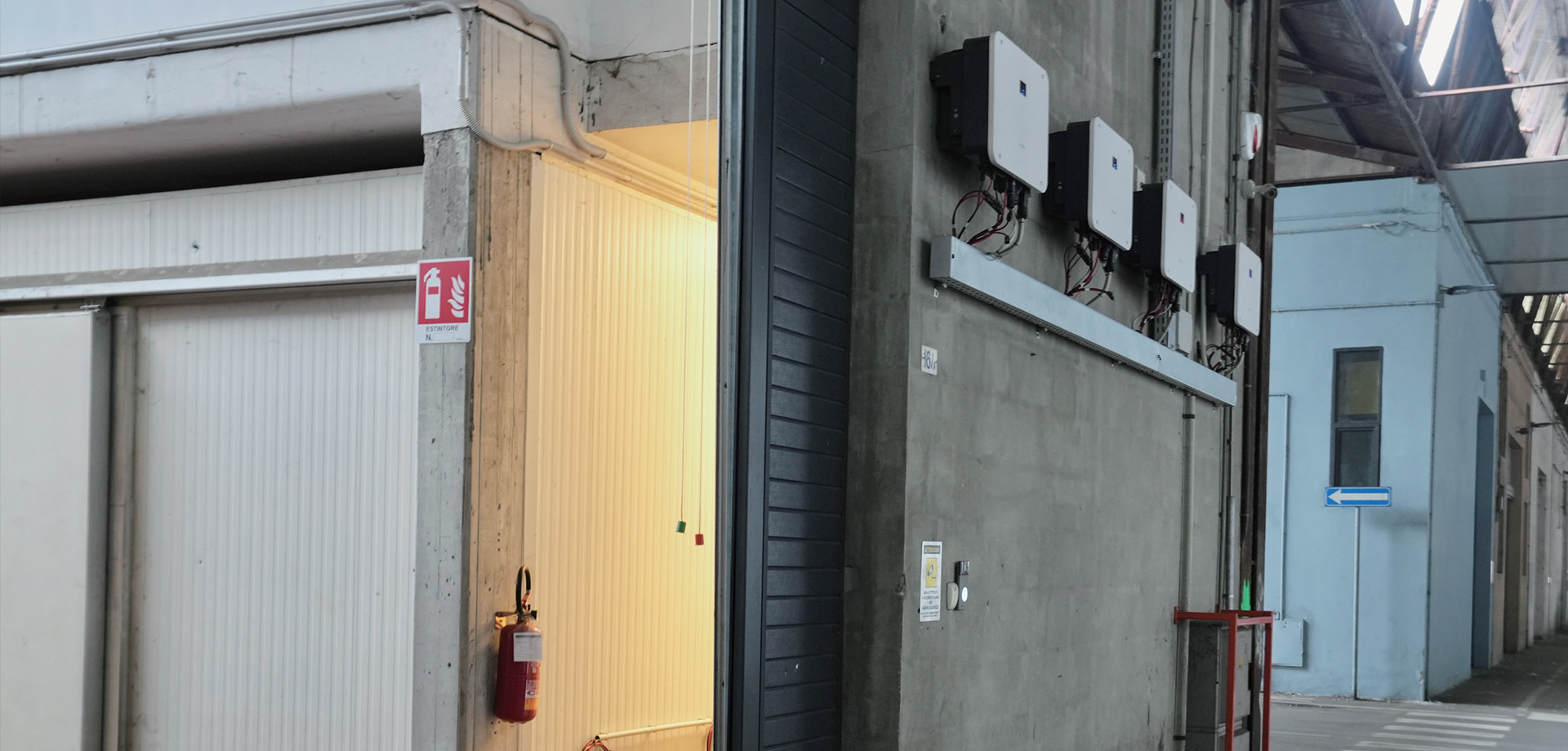
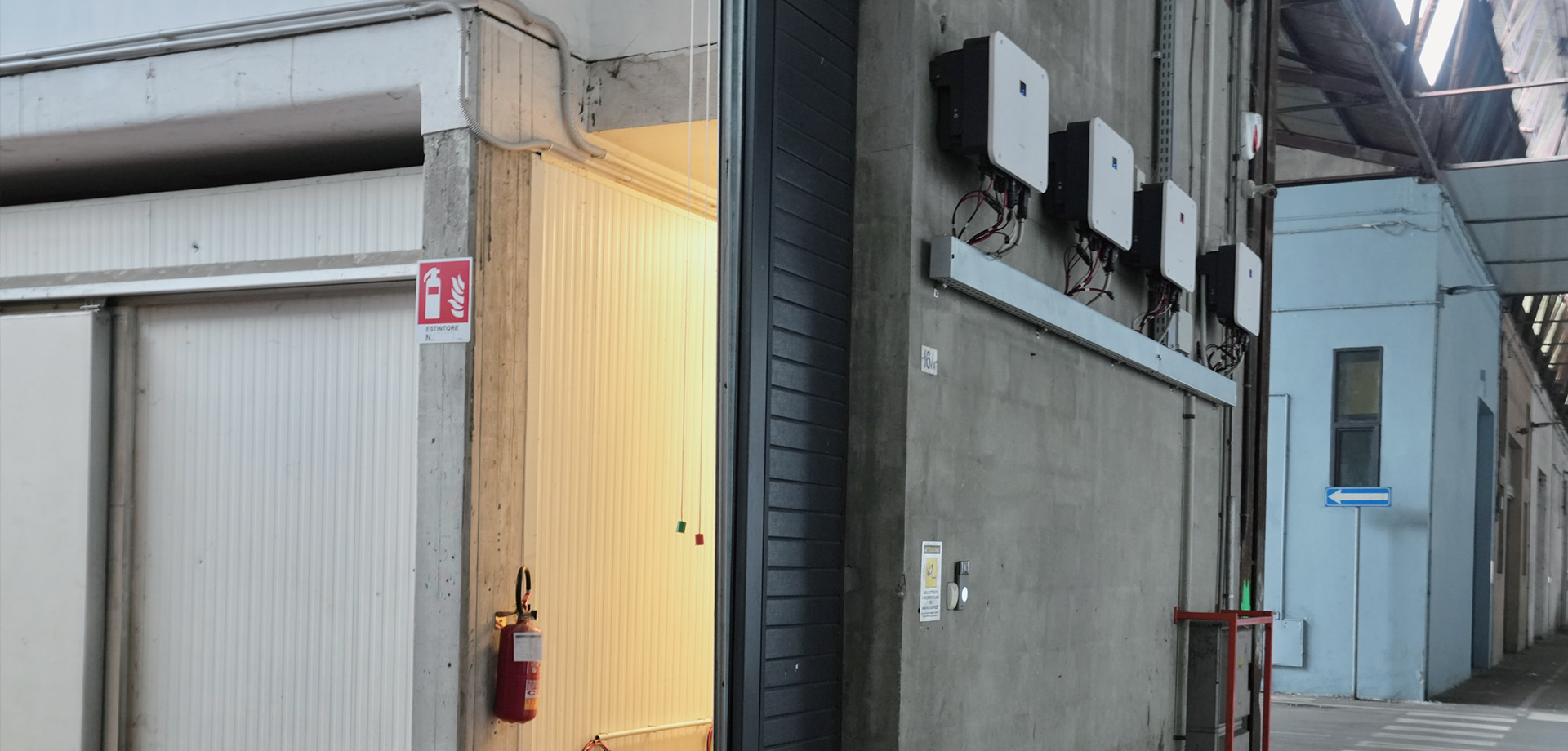
I’ve overseen installations in Columbus, Ohio and Los Angeles and I’ll be blunt: traditional designs focus on nameplate kW and ignore the billing nuance. Undersized inverters, poor string layout, and lack of adaptive battery dispatch logic lead to mismatch losses and frequent firmware or communications faults. In one case a 200 kWh battery ESS sat idle during a tariff peak because the energy management sequence was fixed — we lost an estimated $14,400 in avoidable charges over eight months. We saw net metering caps, nighttime demand transfer, and vendor handoffs (EPC to separate O&M) create gaps where savings leak out. Those are the hidden pain points wholesale buyers quietly call me about.
Designing for Resilience: What Comes Next
Technically speaking, the forward-looking fix is not more panels — it’s smarter orchestration. I now prioritize integrated inverter-battery control, predictive load modeling, and clear telemetry SLAs when advising buyers evaluating a solar system for business. We compare scenario-simulated demand-charge reduction, runtime for battery cycling, and inverter clipping losses before signing any contract. That’s where PV arrays, inverters, and battery ESS interact — and where savings are either realized or evaporated.
What’s Next?
From my 15+ years in B2B supply chain and field installs I recommend three concrete evaluation metrics: 1) measurable demand charge reduction percentage under your actual tariff; 2) system availability and O&M response time (SLA in hours); 3) dispatch efficiency — kWh sent to load vs. kWh cycled (round-trip). Those metrics beat glossy ROI slides. They force vendors to show how inverters and the ESS will operate on real weekdays, not just ideal test cases. This is practical — practical and urgent. Wait — one more point: factor in firmware update cadence; slow updates mean longer outages. I say this because I’ve seen it cost companies months of savings.
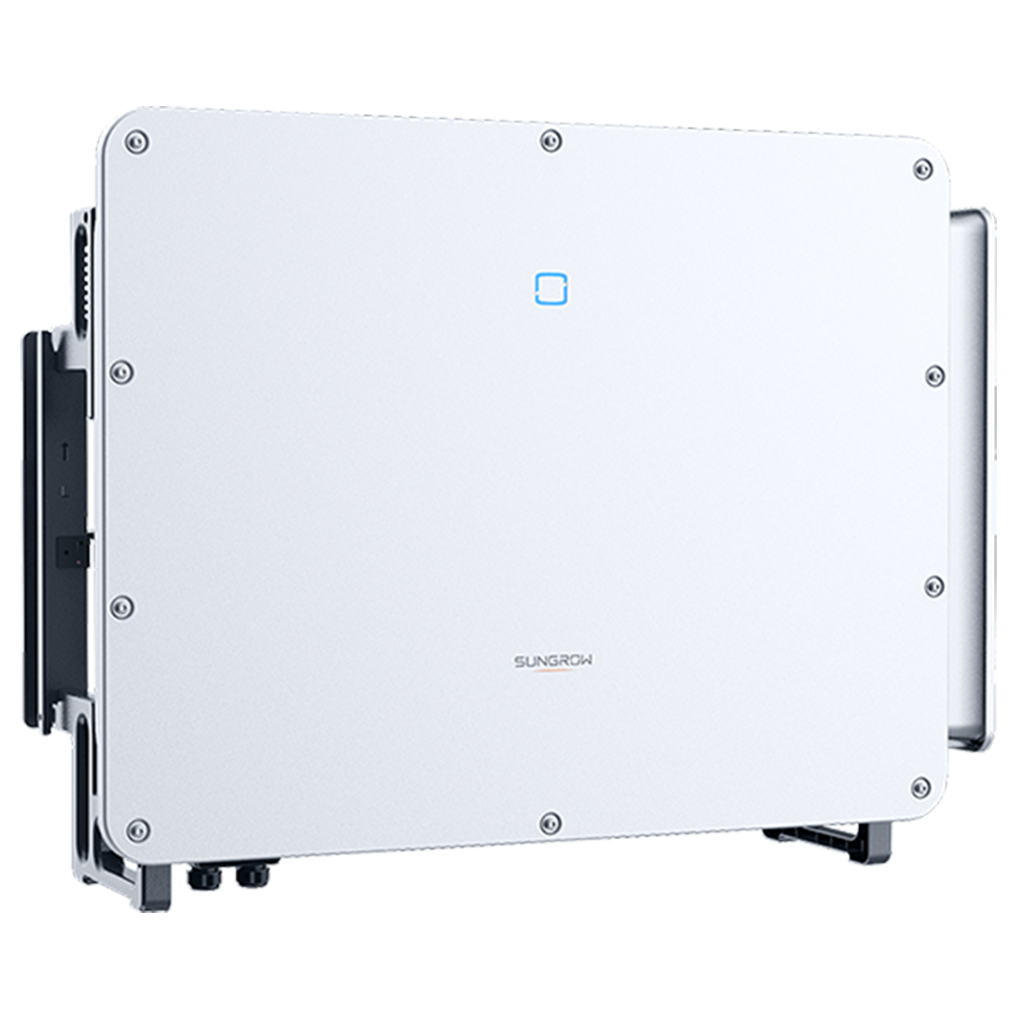
We’ve moved from optimistic installs to data-driven contracts, and I still use hands-on checks (string labels, communications logs) before final acceptance. If you’re buying at scale, treat O&M and control logic as first-class line items — they decide whether your investment cuts costs or just decorates your roof. For a reliable partner perspective, consider the evidence and the metrics, then choose accordingly. — sungrow