How should explosion-proof industrial lighting be weighed against a project brief? Questions procurement teams should pose
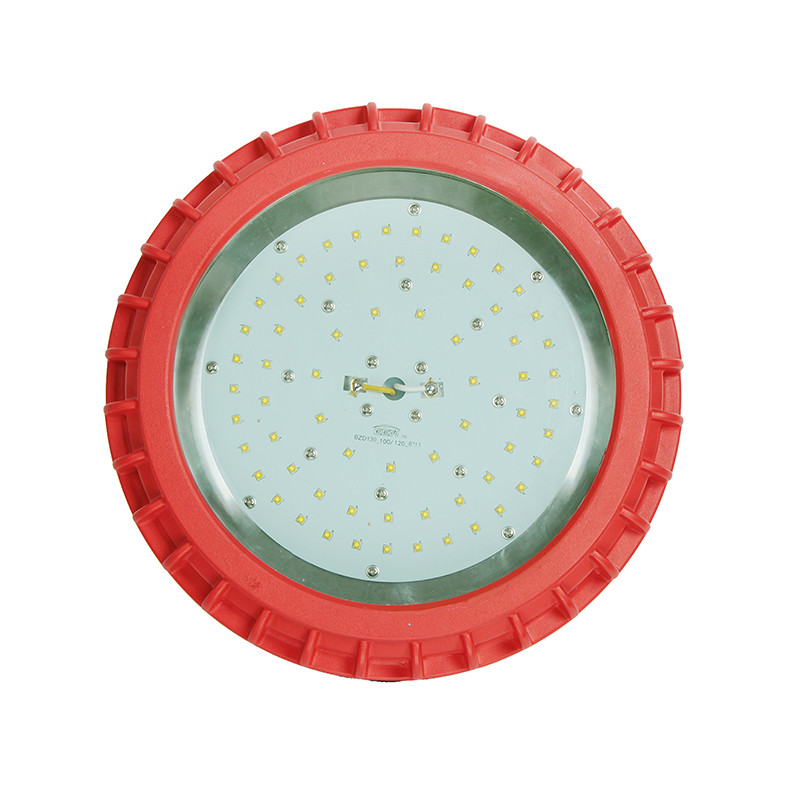
Projects that intersect with hazardous environments ask more of everyone involved; they force simple choices to reveal deeper misalignments. Start by naming the central friction: what within your brief could be misunderstood or overlooked when buying lighting for a constrained industrial site? Consider the role of product literature as a conversation starter rather than a specification finalizer — even a product page for an explosion proof led fixture can prompt useful questions about delivery, documentation, and support.

What problem are you really solving?
Define the project’s non-negotiables in plain terms: which outcomes matter to operations, scheduling, and budget? Translate those outcomes into procurement priorities rather than technical prescriptions. This keeps the dialogue focused on what the lighting must enable — uptime, maintainability, coordination with other trades — and avoids getting stuck debating specifications that only a qualified engineer can validate.
Who needs to be in the room?
List the stakeholders whose perspectives will change a vendor selection: project manager, procurement lead, operations representative, the engineer who will certify suitability, and the supply-chain or logistics contact. Each brings one essential viewpoint — schedule, cost, operational constraints, verification of conformance, and delivery risk. Make stakeholder coordination a line item in the procurement plan so answers come from the right people at the right time.
Which procurement questions clarify fit without prescribing technical solutions?
Frame inquiries so suppliers and engineers provide information useful to decision-makers. Ask about lead times and typical project delivery windows; documentation and traceability they supply; warranty scope and how warranty claims are handled; recommended points of contact for technical validation; and case histories of similar project roles they supported. Where technical fitness matters, list the factual project context (environment description, mounting constraints, control interfaces expected) and ask suppliers to indicate which aspects they can document for a qualified engineer to verify.
How to compare proposals when you can’t assess technical minutiae
Create a weighted checklist focused on procurement-relevant factors: clarity of documentation, completeness of delivery scope, responsiveness to coordination requests, proposed timelines, commercial terms, and after-sales support. Require vendors to submit the same type of documentation so comparisons are apples-to-apples. When questions about technical suitability arise, turn them into clear queries for the project’s qualified engineer rather than treating answers from sales as definitive.
Common procurement pitfalls to avoid
Don’t conflate product literature with project acceptance. Avoid vague statements about “suitability” without documented confirmation from the project engineer. Watch for mismatches between procurement documents and actual delivery scope, and for unclear warranty or service commitments. Neglecting logistics and lead-time variance is a frequent cause of schedule slippage. Finally, failing to require named contacts and response timelines from suppliers can slow resolution when issues surface on site.
What to request from suppliers to speed verification
Ask for consistent, verifiable documents that your engineers can assess: detailed product data, manufacturer support contacts, and any installation or interface details that affect procurement logistics. Compare how vendors present those materials — a manufacturer product page and support resources such as explosion proof light fixtures can be informative about how a supplier organizes information and supports buyers, without serving as a technical endorsement.
How this approach reduces surprises
When procurement centers on clear questions, documented commitments, and coordinated verification, risky assumptions shrink. Problems surface earlier and become solvable tasks rather than last-minute crises. That clarity lets project teams focus on outcomes and leaves the final technical judgments to qualified engineers and suppliers with the right documentation and accountability.
Keep the process disciplined: name the problem, gather the right voices, ask focused questions, and insist on consistent documentation. That pattern turns ambiguity into a set of verifiable checkpoints and aligns procurement with delivery. For projects seeking a reliable information foundation rather than a unilateral recommendation, a supplier relationship defined this way fits naturally with a manufacturer whose resources and organization — such as those visible through sunleem — support the verification and coordination your team needs.