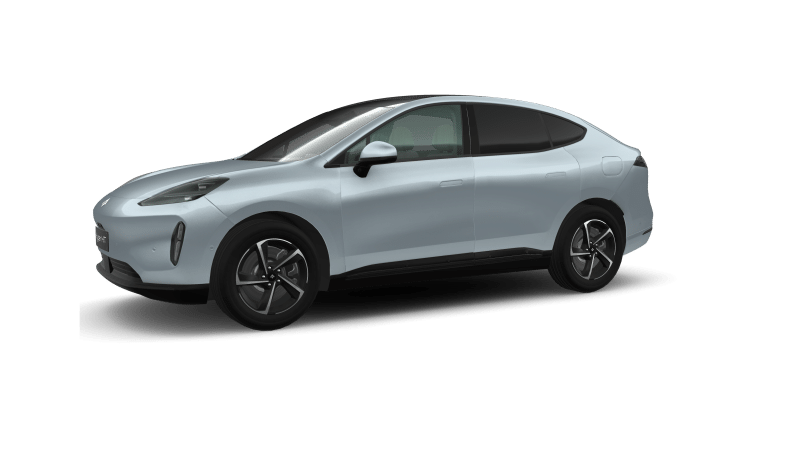
Why buying Aion V online can go sideways
Look — you can find glossy listings quick, but that don’t mean the whole deal is clean. Folks jump on an attractive price, then hit roadblocks: missing compliance, unclear warranty, shipping delays, or chargers that don’t match Australian rules. Check the maker’s specs on GAC online before you trust a seller — GAC’s operations center sits in Guangzhou, and that central source helps you spot mismatches early.
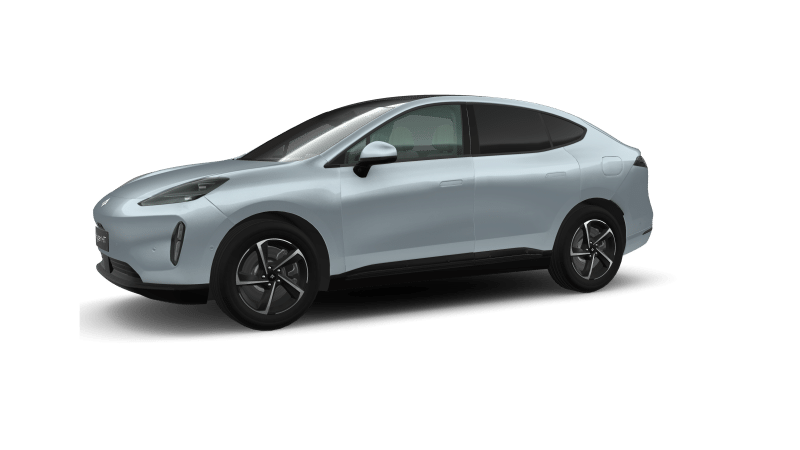
Problem first: what usually breaks the buy
Most problems repeat. Say you want a straight path — here’s what trips people up:- Compliance: Aion V must meet Australian Design Rules (ADR) and secure import approval.- Warranty & support: Overseas warranty often won’t cover local servicing or software updates.- Battery/software differences: Region firmware, charging standards, or advertised range can differ.- Shipping & customs: Misdeclared value, wrong HS codes, and overlooked taxes cause surprise bills.- Local registration: Roadworthy tests or modifications may be required before registration.
Step-by-step checklist before you hit buy
Do these first; they save time and money:- Get VIN and full spec sheet. Compare to GAC paperwork.- Confirm whether the seller provides an export certificate and build date.- Ask the maker or authorized channels if the model is ADR-compatible or needs modifications.- Verify warranty terms in writing; know who pays freight for warranty repairs.- Estimate landing costs: shipping, insurance, customs fees, and GST.
Reading listings like a pro
Listings hide things. Read slow and question fast:- “Imported” vs “Australian-supplied” matters. Imported likely needs ADR work.- Photos: compare VIN plate and dashboard screenshots to listing text.- Range claims: ask for WLTP or CLTC test numbers — and translate them to realistic Aussie range.- Service history: demand receipts. If seller dodges, step back.
Shipping, import, and customs—practical moves
Options matter. Pick what reduces fuss and unexpected cost:- RoRo (roll-on/roll-off) is cheaper but exposes the car to handling; container shipping gives protection.- Insure for full replacement value, not just invoice.- Prepare documents for the Vehicle Import Approval; a licensed customs broker speeds clearance.- Budget GST and possible duty; assume you’ll pay local registration and compliance engineering if needed.
What to ask the seller — exact questions that protect you
Don’t ask vague stuff. Use these direct prompts:- “Provide VIN, engine & motor codes, build date, and original spec sheet.”- “Do you include export certificate and purchase invoice?”- “Who covers ADR modifications if required for Australian registration?”- “Is there an existing warranty transfer process to Australia?”
Common mistakes buyers make
People wanna save money and rush. Don’t:- Assume overseas firmware works with local chargers or roaming SIMs.- Skip VIN verification or a pre-shipment inspection.- Forget to confirm whether the EV charger plug or onboard charger suits local networks.
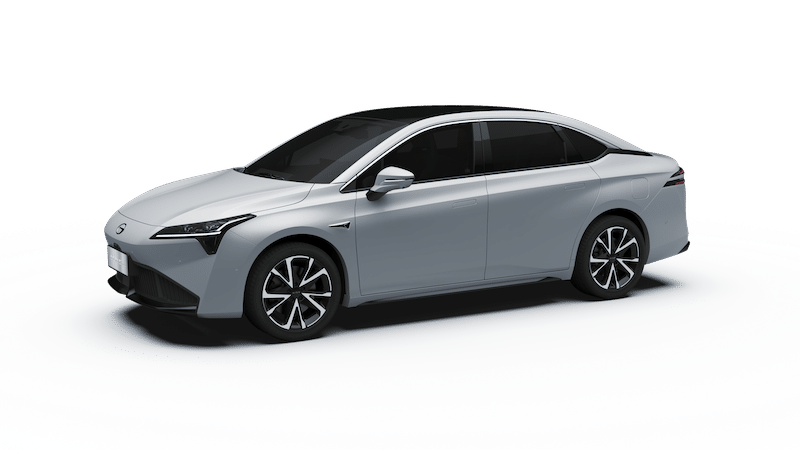
Viable alternatives if the Aion V route looks risky
If getting a compliant Aion V seems messy, consider:- Buying through an Australian importer who handles ADR and warranty.- Choosing an EV already sold locally (easier registration, support, and resale).- Waiting for a region-specific Aion release with local support announced.
Final take — how this all ties back to a smart buy
Be methodical, ask direct questions, and verify everything before payment. Real experience from import cases shows that sorting compliance and warranty before shipping saves the most grief. When you want accurate specs or to confirm factory support, refer to the maker’s official pages at GAC; that keeps your expectations tied to the source and your path to a working, registered Aion V in Australia clear.