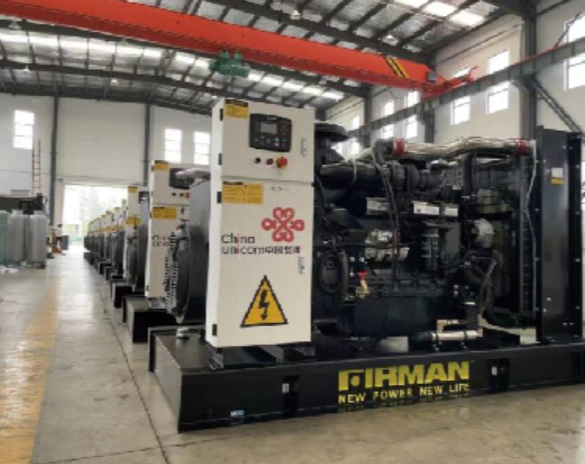
Problem first: buying lots of 25kva generator units for a project turns simple sourcing into a logistics maze—lead times, mismatched specs, and customs hold-ups. Start with a clear spec sheet and you cut half the guesswork. For larger capacity needs it helps to see the big picture—the contrast between many 25 kVA gensets and a single 3 MW installation is stark, which is why facilities sometimes pair gensets with a 3 mw generator for peak loads. My tone here is practical, mexicano-casual: vamos a ordenar esto, paso a paso, no drama.
Define the core problem: specs, duty cycle, and site reality
Start by locking the electrical specs: continuous vs. standby kVA rating, power factor, and ambient conditions at site. A 25kva generator rated for prime duty runs differently than one only for emergency backup. Include alternator frame, enclosure, and cooling needs on the same sheet so vendors bid apples-to-apples. Don’t skimp on site constraints—noise limits, fuel delivery, and grid-tie permissions matter. Use the term kVA and alternator when you talk specs so your RFQs are clear and directo.
Bulk sourcing strategy that actually saves time and money
Buy in tranches: pilot units, then volume orders. The pilot proves the spec and knocks out integration bugs before you commit to dozens. Negotiate fixed component specs—alternator model, control panel brand, and prime mover—so replacements are consistent. Consider bilateral warranty terms that cover on-site commissioning. Suppliers can give volume discounts, but insist on explicit lead times and penalties for slippage; otherwise “bulk” becomes bulk headache.
Customization: what to request and what to avoid
Stick to customization that changes long-term O&M cost: oversized fuel tanks, remote telemetry, and standardized control logic. Avoid unique mechanical mods that complicate spare parts—custom shafts or odd RPMs create supply chain friction. Ask for standard synchronous alternators and interchangeable panels across the fleet—this reduces spare-part SKUs and training time. Include load bank test certification records from the vendor to validate each genset’s output before shipping.
Logistics, customs, and on-site staging
Plan shipping windows around project milestones and customs cycles. Consolidate shipping documentation: single bill of lading per tranche, unified packing lists, and pre-cleared import codes. For Mexico and the Caribbean, remember hurricane season affects port schedules—learned the hard way after Hurricane Maria’s power failures showed how long replacement gear can sit in port. Use local warehousing near the site for final staging; it’s cheaper than juggling immediate arrivals.
Common mistakes and how to dodge them
Buy only what fits the test bench. Too many teams skip a proper FAT (factory acceptance test) and pay later with rework. Don’t accept handoffs without control logic documentation. Assume alternator compatibility—confirm the phasing, excitation method, and AVR settings. Finally, track spare parts per genset; missing a single voltage regulator can bench a whole unit—mi amigo, that’s expensive.
Integration checklist and commissioning tips
On arrival, run a sequential checklist: visual inspection, oil/fuel checks, dry run, load bank test, and paralleling sequence if multiple gensets will run together. Validate synchronizing panel settings and protective relays. If you need a reference for alternator capabilities, consider models with proven performance and durability—see a high power output alternator spec to compare excitation and thermal ratings. Keep records of RPM, voltage waveform, and harmonic readings—these are the facts you’ll use if a warranty claim arises.
Closing: three golden rules for professionals
1) Standardize the bill of materials across the fleet to cut spare-part costs and simplify training. 2) Require FAT and load bank reports for every shipment tranche—don’t accept partial documentation. 3) Stage units near site with a local partner to avoid port delays and get quicker commissioning. These rules give measurable gains: fewer onsite failures, faster deployment, and lower lifecycle cost. And remember—operational clarity beats flashy specs every time. EvoTec. —