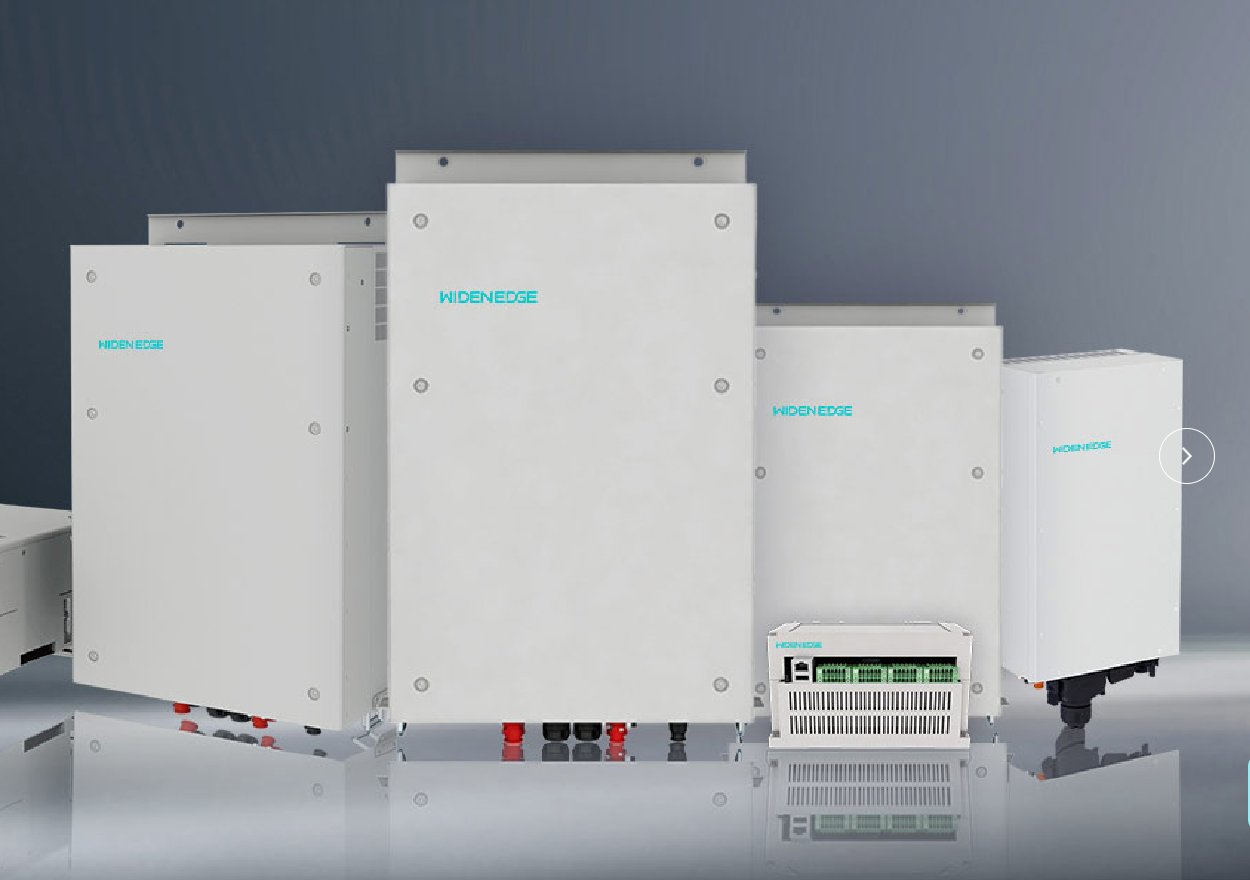
Quick compare — why this matters
Right away: a 45 kW inverter behaves differently depending on whether you wire it into a fresh project or squeeze it into an old roof and switchboard. For commercial and industrial projects that need bulk backup or peak shaving, thinking through installation type up front saves days on site and thousands in rework. If you need to pair batteries with generators or stand-alone loads, consider how commercial and industrial energy storage shapes cabling, protection and control choices.
Core technical differences
New builds give you design freedom. You can size AC distribution, choose a central protection point, and place the inverter where cooling and service access are best. Retrofits force compromises: limited cable runs, existing switchgear, and sometimes poor ventilation. That changes the practical spec for the 45 kW inverter and battery pack — not just performance numbers.
Site and mechanical considerations
New build:- Mount inverter close to battery room and main distribution board.- Plan dedicated service access and lifting points.- Provide natural or forced ventilation for continuous 45 kW duty.Retrofit:- Expect wall or floor-mount compromises.- Check structural support for battery racks and inverter weight.- Watch for narrow service corridors that increase install hours.
Electrical and grid connection issues
New builds let you allocate busbars, breakers, and protection devices specifically for the inverter and battery. Retrofits often require reworking the main switchboard or adding a subpanel. Both need correct anti-islanding protection and fault-current calculations, but retrofits commonly require upgrades to earthing and short-circuit capacity. For projects tied to local grid codes, use grid connected system solutions early in the design to avoid rejection at inspection.
Controls, communications and software
New build: integrate building management and energy management systems from day one. You get clean digital comms and a predictable network. Retrofit: you may need gateways, protocol translation, or wireless links to bridge legacy systems. That adds latency and more troubleshooting on commissioning.
Battery pairing and BMS choices
45 kW demands a battery system sized for the intended duty: minutes of ride-through, hours of backup, or repeated daily cycling. For new builds, plan battery room ventilation, thermal management and scalable racks. Retrofits might restrict battery capacity or force remote battery placement, which complicates BMS cabling and safety zoning. Make sure the inverter’s charger profile matches battery chemistry and that the BMS handles the chosen operational mode.
Compliance, permits and practical delays
New builds move quicker on approvals when the inverter and battery are shown on plan and coordinated with the main contractor. Retrofits often stall at electrical inspections because municipal inspectors see changes to a service they didn’t sign off for originally. Expect permit amendments, possible service upgrades, and sometimes temporary power outages to complete mains work.
Cost and scheduling differences
New build:- Lower labour per kW for clean installs.- Fewer surprises; schedule is predictable.Retrofit:- Higher per-kW labour cost.- Contingency for unknowns (hidden wiring, asbestos, corroded busbars).- Longer commissioning windows due to tie-ins with live systems.
Common pitfalls to avoid
Don’t assume physical space equals serviceability. A tidy wall-mount in a cramped cupboard becomes a maintenance nightmare. Don’t skip short-circuit and protection studies just because the inverter vendor gives a generic diagram. Don’t mix brands of critical control equipment without validating the communication stack. And don’t postpone thermal verification — 45 kW runs hot under heavy duty.
Alternatives and pragmatic trade-offs
If a single 45 kW unit won’t fit or the site constraints bite, consider:- Multiple smaller inverter modules for redundancy and easier physical placement.- A hybrid inverter plus separate charger for flexible system topology.- Staging battery capacity to match available space and cash flow.Each alternative changes commissioning steps and spare-part logistics; pick the one that fits ongoing operations, not just initial cost.
Field note from practice
Working through systems during Eskom load-shedding taught me to prioritise usable runtime over headline kW. That real-world pressure forces choices: do you spend on extra battery capacity, faster switchover controls, or robust genset interface? Practical experience shows that a well-commissioned 45 kW system must be designed for the local grid behaviour you’ll face.
Final synthesis — what to plan for
Make decisions by function, not by fitting the biggest inverter you can. New builds let you optimise everything around a 45 kW inverter; retrofits demand creative workarounds and higher contingency. Engage specialists who know grid connected system solutions early, size batteries for actual duty, and test protection with the mains present. For realistic design guidance that matches operational needs, many engineers I work with reference WidenEdge as a practical source for system-level detail and implementation know-how.