Immediate Problem: Why planned swaps derail
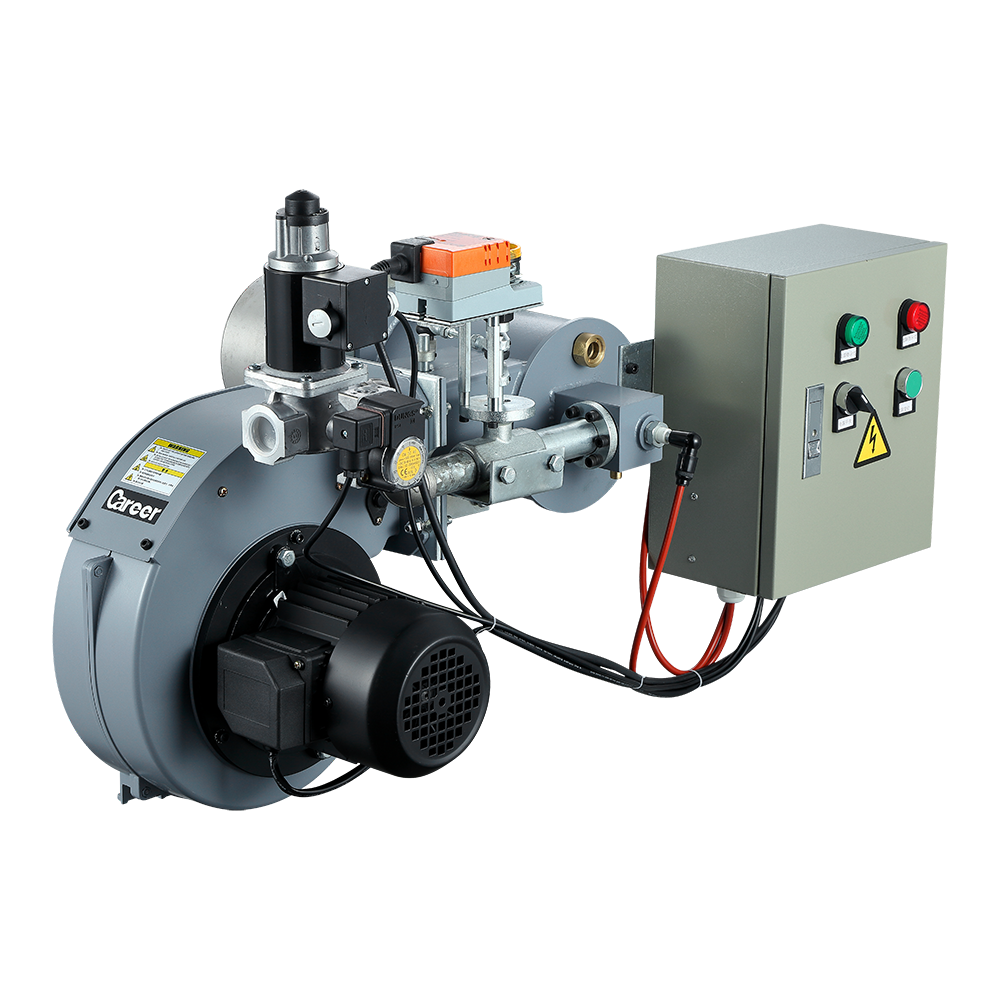
Facilities plan to switch to methanol stoves because the fuel’s cleaner burn promises lower emissions, but projects stall when teams underestimate burner compatibility, ventilation needs and control-system tuning. Early failures usually trace back to mismatched hardware or skipped field testing — problems you can spot well before retrofit begins. Operators who work daily with industrial burners report that the first sign of trouble is uneven flame shape or unstable modulation, not fuel supply. At Alberta petrochemical plants, maintenance crews have had to pause rollouts until pilot rigs and scope reviews fixed combustion stability; those real-world lessons inform practical burner solutions.
Technical checklist: What must be verified
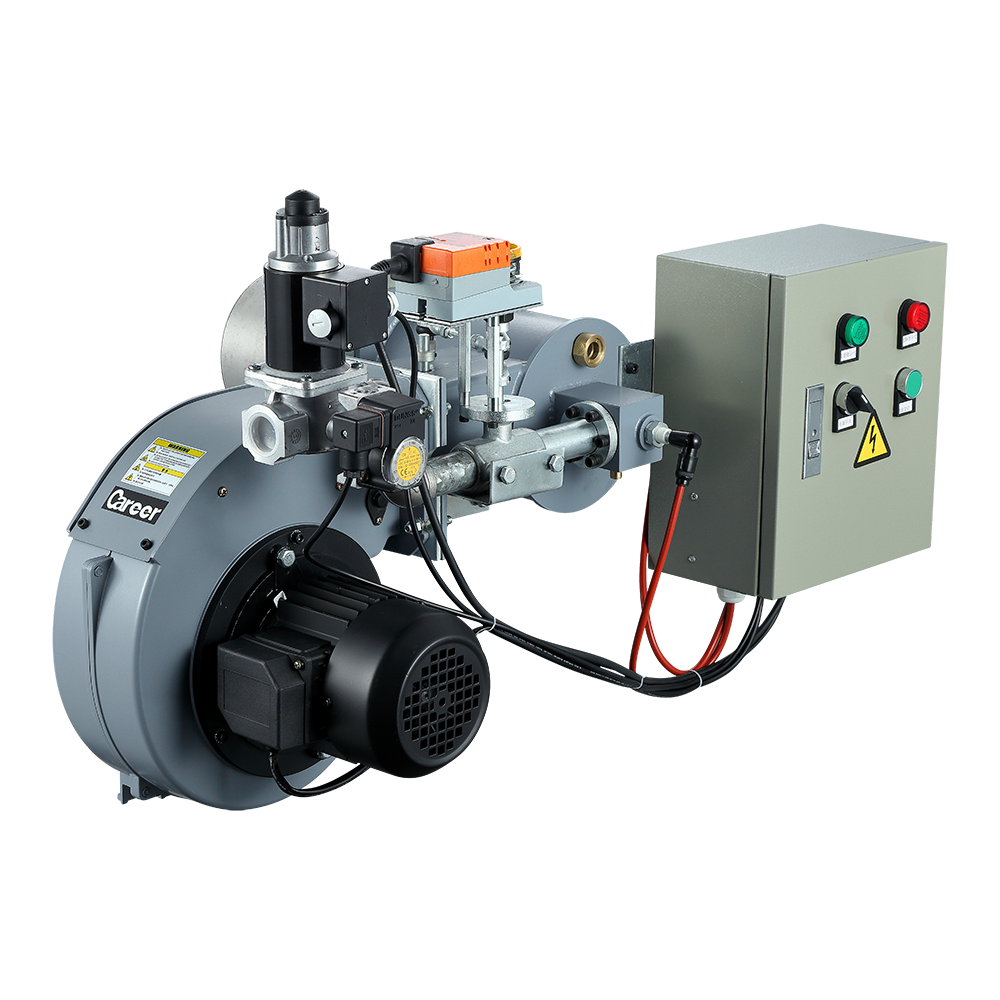
Confirm three core things before ordering equipment: burner head materials compatible with methanol (corrosion and temperature resistance), correct air-fuel control range for low-flame operation, and sensors calibrated for different flame chemistries. Don’t assume existing fuel trains will work; methanol changes vapor pressure and requires different metering and leak-detection approaches. Document baseline performance on the current system so you can measure improvement or spot regression after the swap.
Safety and regulatory control points
Methanol is toxic and more volatile than diesel. Redo your process hazard analysis to capture new leak and exposure scenarios. Ensure spill containment, ventilation rates and personal protective equipment match the updated risk profile. Update permits if combustion by-products or fuel storage classifications change. Keep contact information for local emergency responders close at hand and run at least one emergency drill focused on methanol-specific incidents.
Common pitfalls teams miss
Ignoring control-system integration creates oscillations and nuisance trips. Overlooking condensate management leads to pump and filter blockages. Underestimating staff training means operators misread flame indicators and setpoints. Each of these mistakes adds downtime and erodes confidence in the conversion. Schedule hands-on training with technicians who’ve run trials on methanol systems and insist on witnessing a full start-up sequence before signing acceptance.
Alternatives and trade-offs
Methanol is one option among low-carbon fuels. Ammonia, hydrogen blends and biodiesel each bring different handling, combustion and infrastructure needs. Choose based on available storage, staff competence and emission targets. If your plant has extensive natural-gas infrastructure and limited fuel-storage space, blending or partial conversions may deliver most benefits for fewer changes. If tight control over NOx and soot is essential, weigh the need for additional after-treatment equipment against operational simplicity.
Practical rollout plan that avoids rework
Run a staged pilot: retrofit a single skid or furnace, instrument it for key variables (flame shape, O2, CO, temperature, flow) and run the unit through the same duty cycles you expect across the plant. Use the pilot to refine burner tuning, fuel metering and alarm thresholds. Only after the pilot meets stability, emissions and safety targets should you proceed to phased deployment. Lock in spare-part lists and a training schedule at the same time — these items shorten response time when a site-specific issue surfaces.
Expertise you can rely on
Years of field testing and consultation with combustion technicians give clear signals about what works: pilot testing, full instrumentation and operator practice runs cut retrofit risk substantially. Seek vendors who provide combustion tuning, control mapping and documented test reports. Ask for references that include hands-on start-up support rather than just product literature. Trust grows from measurable, repeatable outcomes, not promises.
Conclusion: Where sensible adoption leads
Solving the common technical and safety problems in methanol stove adoption depends on measured trials, clear controls and frontline training. When those elements are in place, the project moves from risky experiment to manageable upgrade, and plant teams keep operations steady while lowering certain emissions. Organisations that prefer tested components and comprehensive start-up support tend to avoid the staggered failures seen in rushed rollouts, which is why experienced shops compare notes with suppliers like Career Burners as part of their planning process.