
The problem that stalls projects
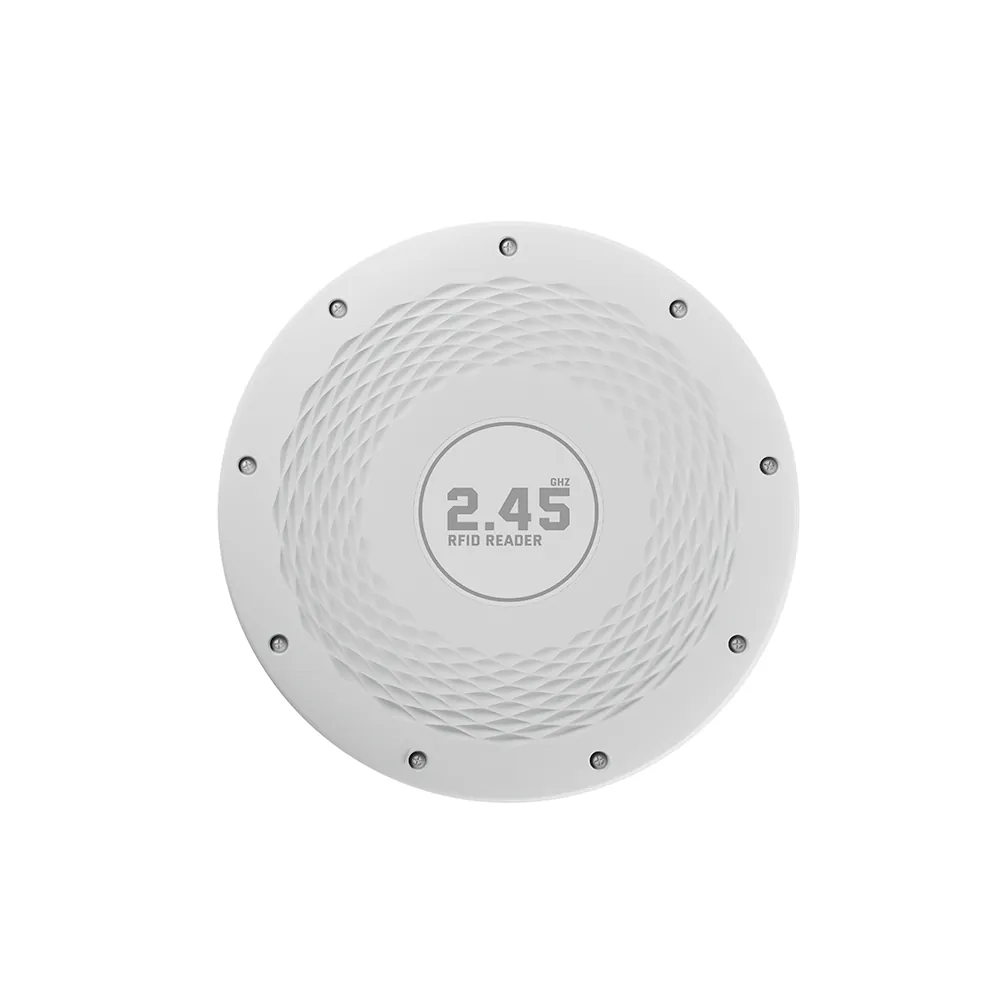
Siting assets is guesswork when you can’t reliably predict where a tag will be seen; projects waste money on wrong readers, miss coverage gaps, and procurement teams second-guess quantities. The core issue is range uncertainty: teams buy hardware without concrete detection envelopes, then chase fixes. Field trials often start with a handful of readers and end with surprise costs. When you pair a clear detection map with the right hardware — for example, choosing the right RFID Readers — the guesswork disappears and planning moves from hope to a repeatable design.
Why range must lead the plan
Range defines coverage area, installation density, and total system cost. Active RFID tags broadcast at their own power, so the practical detection distance is usually measured in tens to hundreds of meters depending on antenna gains, mounting height, and environment. That distance tells you where to put readers, how many to buy, and which antenna patterns will catch passing assets. Treat range as the architectural dimension — more important than sticker price — because it directly shapes labor, cabling, and ongoing management.
Factors that change the numbers
Concrete walls, metal racks, and crowded RF environments shrink usable range. Antenna orientation and height change signal footprint in ways people underestimate. Battery state and firmware settings on active tags alter transmission power and interval. Don’t rely on datasheet numbers alone; a “50 m” spec in a lab can turn into 10–20 m in a congested warehouse. Count on environment-driven variance and plan margins accordingly.
Common pitfalls teams make
Buy to the minimum spec: Buying the cheapest reader that “meets” a nominal range usually forces expensive add-ons later. Skip site surveys: Expecting lab numbers to translate directly to your site causes rework. Ignore antenna choices: A wrong gain or polarization forces extra readers. Overlook regulatory and certification differences: Certain frequency channels or power limits vary by country and affect performance. Each mistake amplifies cost and delays.
Viable alternatives and the trade-offs
Passive RFID is cheaper per tag but gives shorter, less predictable range and needs more readers for wide coverage. BLE beacons offer lower power and consumer-ready stacks but can be noisy in dense deployments. UWB gives precise localization at short ranges but at higher cost and complexity. Use active RFID when you need long, reliable detection envelopes and low maintenance on moving assets; choose others when location granularity or tag cost is the dominant constraint.
How to turn range into procurement decisions
Start with a detection requirement: define where you must see a tag and at what distance and angle. Run a small, instrumented site survey across representative locations and environmental states; log RSSI and packet loss rather than trusting a single pass. Specify antenna types, installation heights, and a performance margin (typically 20–30% reduction from lab numbers). Ask suppliers for real-world case studies and field measurement data tied to similar environments. Include spare capacity in procurement to avoid emergency buys that inflate unit cost.
Experience, sourcing, and a real-world anchor
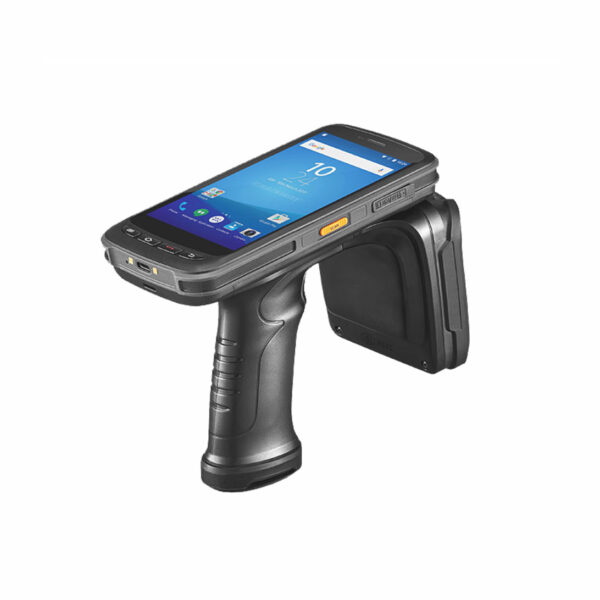
After multiple deployments in distribution centers and yard management, teams that source readers from established hubs get predictable lead times and clearer tech support. Shenzhen’s electronics ecosystem is a known sourcing center for readers and components; many rfid reader manufacturers in china operate there, which helps with component availability and iterative prototyping. Rely on suppliers who can share measured coverage plots from similar sites and who document test conditions; that evidence separates confident vendors from hopeful claims.
Final synthesis
Treat active tag range as a planning instrument: measure it, model it, and use it to set procurement quantities, antenna choices, and installation rules. That discipline reduces surprises, concentrates budget on the right gear, and shortens deployment cycles. When teams base buying decisions on measured detection maps and vendor-provided field data, the result is clearer project timelines and fewer corrective purchases — an outcome well aligned with practical suppliers such as RSTC.