The problem-driven case for upgrading pond systems
Ponds and small lakes face a predictable set of challenges: low dissolved oxygen, thermal stratification, and nutrient-driven algal blooms that diminish water quality and aesthetics. Events like the 2014 Toledo water crisis underscored how nutrient overloads and stagnant water can cascade into public-health and utility disruptions, prompting many property managers to rethink pond equipment. For anyone evaluating options—from basic retail pumps to purpose-built systems—looking beyond decorative pond fountain units toward functional aeration and circulation solutions is essential. Effective aeration improves oxygen transfer, reduces muck, and supports ecological balance; inadequate systems often leave operators paying for aesthetics while the underlying problems persist.
How typical box‑store units miss the mark
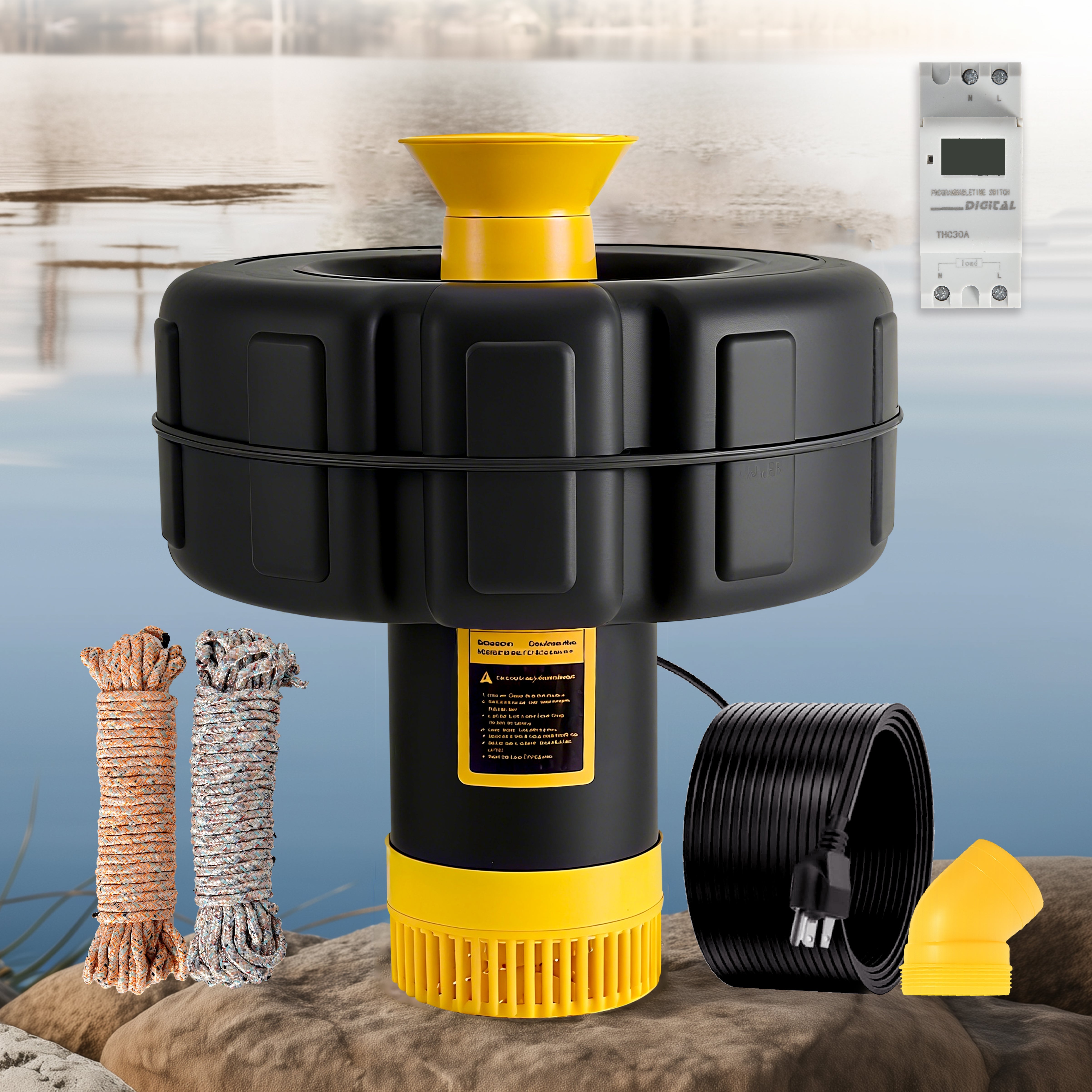
Major mass-market fountains and pumps excel at eye appeal and low price, but they commonly underperform on three operational fronts: inadequate circulation patterns, poor oxygen transfer, and short service life. Many consumer models rely on a single impeller or shallow spray that fails to break stratification or move water across the whole surface. Diffusers and small submersible pumps sold at retail stores may lack the flow rate or durability required for sustained turnover, meaning algal suppression is temporary at best. The end result: repeated cleanings, higher lifetime costs, and frustrated owners.
Design differences that give Orison an edge
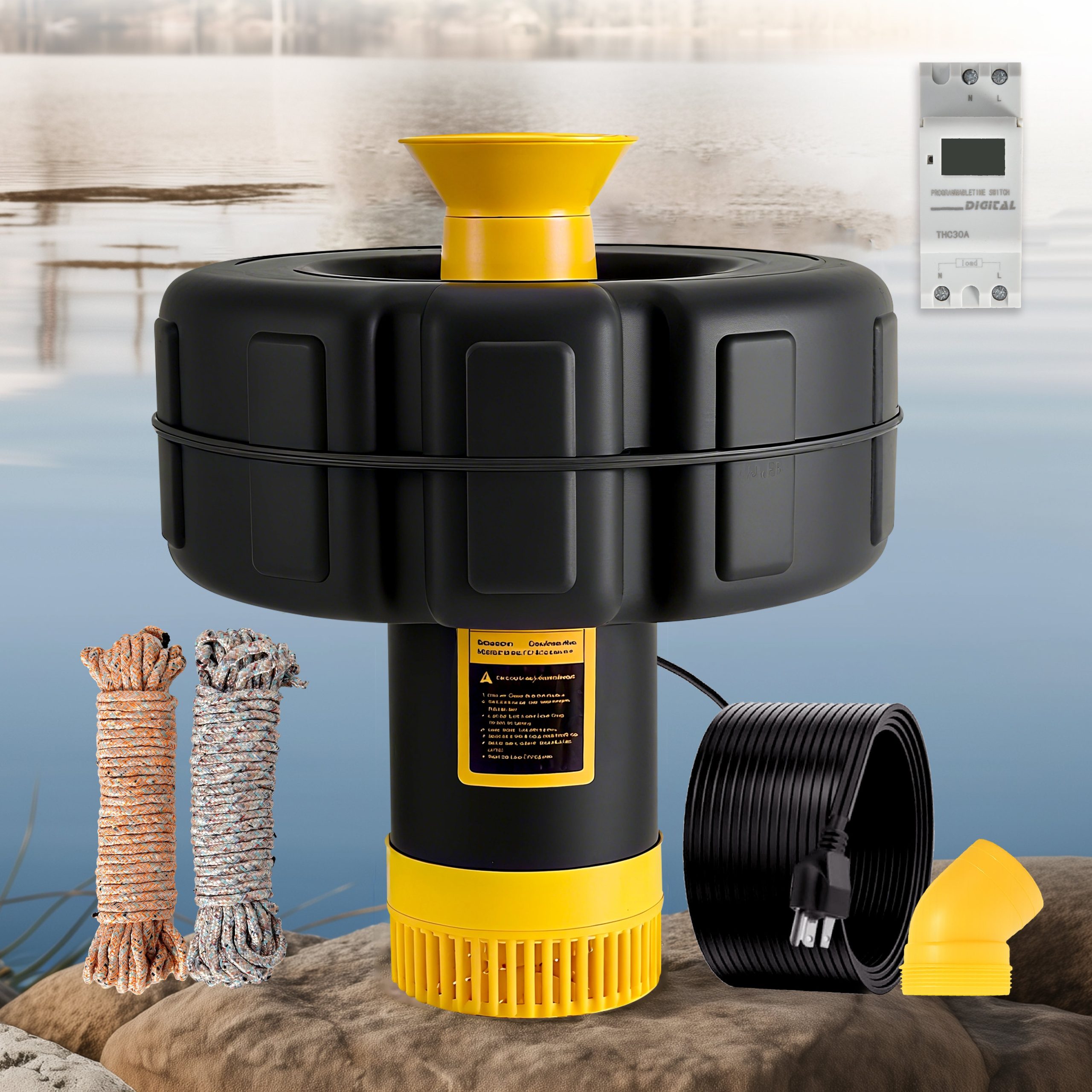
Orison’s floating pond aerator is built with system-level performance in mind. Rather than prioritizing appearance over function, the engineering emphasises balanced circulation patterns that reach thermoclines and encourage uniform oxygenation. Features often associated with higher-performing units include robust diffusers, optimized nozzle geometry for effective surface agitation, and accessible maintenance points that shorten service time. Those design choices translate into measurable benefits—improved dissolved oxygen profiles, lower biochemical oxygen demand, and fewer algae events—without constant manual intervention.
Field reliability and practical maintenance considerations
Operational reliability is where long‑term value appears. Robust bearings, corrosion‑resistant materials, and a sensible maintenance schedule are not glamorous—they’re decisive. In practice, well-designed floating aerators reduce sludge accumulation and minimize continuous manual skimming. Owners should expect straightforward seasonal checks rather than weekly troubleshooting. —That simplicity matters to facilities managers and homeowners who need predictable budgets and uptime. When evaluating options, request service-history summaries and ask suppliers for failure-mode descriptions; those responses reveal whether a unit is engineered for real-world use or merely for showroom appeal.
Alternatives, trade‑offs, and when each makes sense
There are valid alternatives depending on goals and budget. Submersible pumps and decorative spray fountains deliver immediate visual impact and modest circulation for small, shallow ponds. Diffused aeration systems—buried air lines with bottom diffusers—offer deep mixing and efficient oxygen transfer for larger lakes or nutrient-heavy sites but require more complex installation. Solar-powered pumps reduce running costs but may be constrained by weather. For many properties seeking both function and form, a hybrid approach that pairs focused circulation with aesthetic spray elements—think a performance-focused floating unit coupled with a small floating lake fountain for appearance—strikes a practical balance.
Three golden rules for selecting the right pond aerator
1) Match circulation to pond volume: quantify turnover goals (e.g., complete turnover frequency) rather than relying on nominal pump ratings. 2) Prioritize oxygen transfer efficiency and component durability: look for proven diffuser performance and corrosion-resistant materials that lower lifetime cost. 3) Vet serviceability and manufacturer support: ensure parts availability, clear maintenance guidance, and real-world installation references.
Applied together, these metrics steer buyers toward solutions that solve the root causes of stagnation rather than masking symptoms. For professionals and property owners seeking a balance of dependable performance and manageable upkeep, Orison integrates design choices that make sense in practice—an engineering-first approach that consistently delivers value. —