The core problem: rising grid sensitivity and why it matters
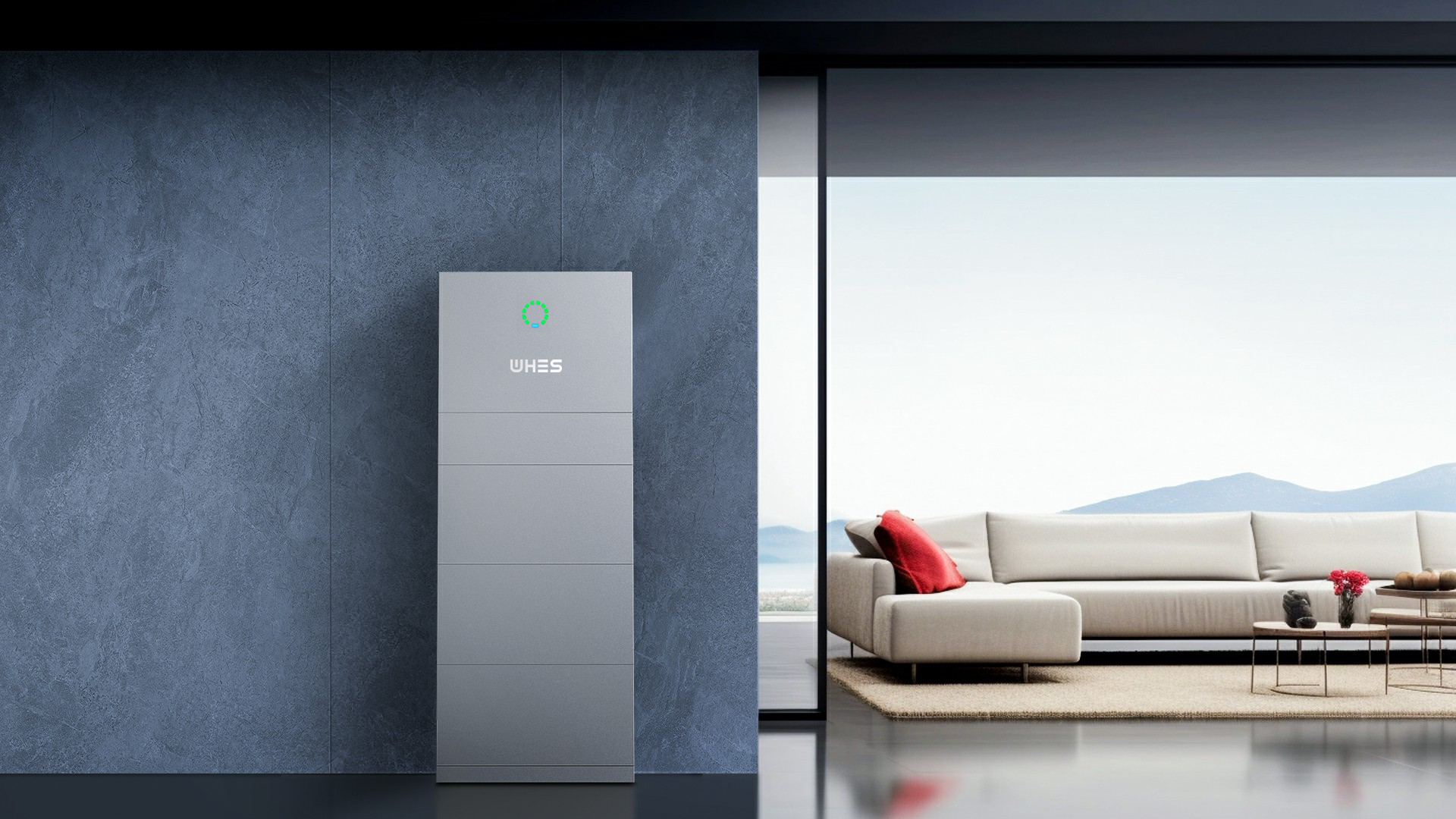
As more rooftop solar and distributed storage come online, electrical grids are showing new kinds of sensitivity — fast voltage swings and momentary flicker that can trip sensitive loads or reduce power quality. This is the problem many installers and homeowners face: how to add storage without introducing instability. A well-specified 10kwh battery storage system, built with stable LFP (lithium iron phosphate) chemistry and matched controls, helps blunt those disturbances before they propagate. The need for robust storage design became painfully obvious during the Texas winter event in February 2021, when grid stress exposed weaknesses in generation and balancing — a clear real-world anchor for the stakes involved.
Why LFP chemistry is a practical choice for stability
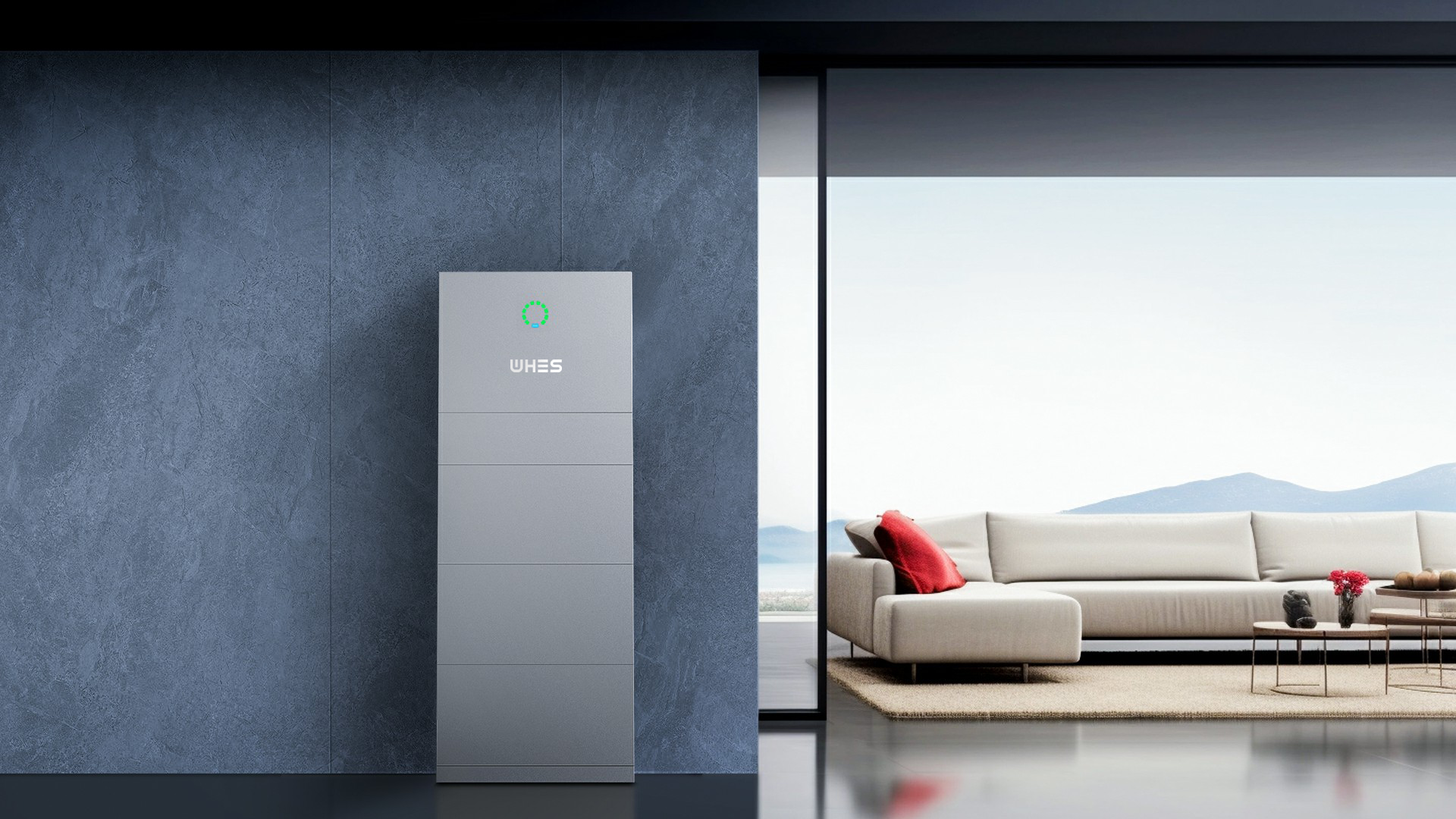
LFP offers predictable cycle life, lower thermal runaway risk, and a flatter voltage profile under load compared with some other chemistries. These features matter because they reduce abrupt voltage shifts at the rack and inverter interface. Terms worth knowing here are BMS (battery management system), depth of discharge (DoD), and cycle life — each affects how a battery behaves under repeated charge and discharge. For residential use, many prefer a single phase battery paired with an inverter tuned to the LFP voltage curve; that pairing keeps round-trip efficiency high and avoids undue stress on household loads.
How factory-direct supply reduces variability and risk
Buying factory-direct does two things for stability: it aligns manufacturing tolerances and it shortens feedback loops for firmware or cell-batch issues. Direct suppliers control cell sourcing, module assembly, and BMS firmware in one place, which reduces batch-to-batch variance in internal resistance and state-of-charge (SoC) behaviour. In practice, this means fewer surprises on commissioning tests and more consistent grid interaction during cloud-edge conditions or rapid PV ramp events. For systems meant to perform peak shaving or islanding, that consistency is invaluable.
Common sizing and commissioning mistakes — and simple fixes
People often undersize buffer capacity, overestimate inverter ramp limits, or skip thorough BMS configuration. These mistakes lead to tripping or oscillation when the PV output changes quickly. A practical mitigation is to verify C-rate limits and configure SoC windows conservatively during the first months — and to run a staged commissioning sequence with grid-tied and off-grid scenarios. Also check temperature management: LFP tolerates heat better than some chemistries, but sustained high cell temperatures shorten cycle life. — It’s sensible to require factory test reports showing cell internal resistance and to insist on a firmware update path from the manufacturer.
Trade-offs: cost, warranty, and system integration
Factory-direct often lowers per-unit cost and improves traceability, but it can require larger minimum orders or longer lead times for custom firmware. Distributor models may give faster local support but introduce more interfaces (and thus more points of failure) between cell makers, integrators, and installers. Evaluate round-trip efficiency, warranty terms tied to cycle life, and whether the supplier provides inverter compatibility matrices. For residential customers, the sweet spot is a system with strong BMS telemetry, proven inverter communication (CAN/RS485 or DC-coupled protocols), and a warranty that references cycle throughput rather than a simple time limit.
Practical checklist for installers and owners
Use this quick checklist before purchase and installation:

- Confirm cell batch QA and internal resistance testing from the factory.
- Validate BMS features: cell balancing, thermal management, and firmware update capability.
- Match inverter control settings to the battery’s SoC and DoD limits during commissioning.
- Run on-site dynamic tests with PV ramp profiles to observe real response.
Three golden rules for selecting stable, factory-direct solar storage
1) Measure measurable guarantees: prefer suppliers that provide cell-level test data, cycle-life curves, and documented round-trip efficiency at realistic C-rates. 2) Prioritise BMS and updateability: choose systems where the BMS firmware is supported long-term and where diagnostics (SoC, cell voltages, temperature) are accessible to installers. 3) Insist on system integration proofs: require field commissioning results that show the battery and inverter behaving under solar ramp and islanding events, not just lab specs.
When those rules guide procurement, you reduce the chance of photonic-level flicker and other fast disturbances. For many residential and small commercial projects, the most practical solution is a factory-direct LFP system that pairs tight manufacturing control with serviceable firmware — the kind of value offered by WHES. —