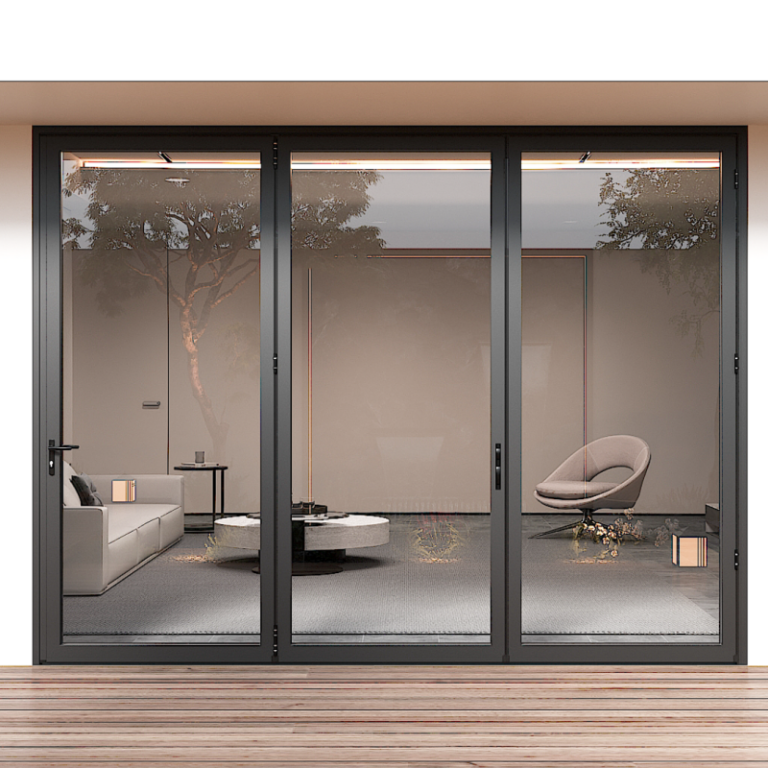
Comparative insight into pivot versus traditional swing doors
The case for aluminum pivot doors rests upon a simple question: which door type best manages scale, sightlines, and durability in demanding architectural work? A measured comparison shows that pivot doors, with a central or offset pivot hinge, provide a wider effective opening and a cleaner aesthetic than many casement frames. For procurement teams in commercial projects, sourcing through a reputable aluminum door supplier streamlines lead times and ensures compatibility with specified hardware. Architects who prioritise an uninterrupted facade often prefer the slim profiles afforded by aluminum extrusion and the structural freedom of pivot assemblies.
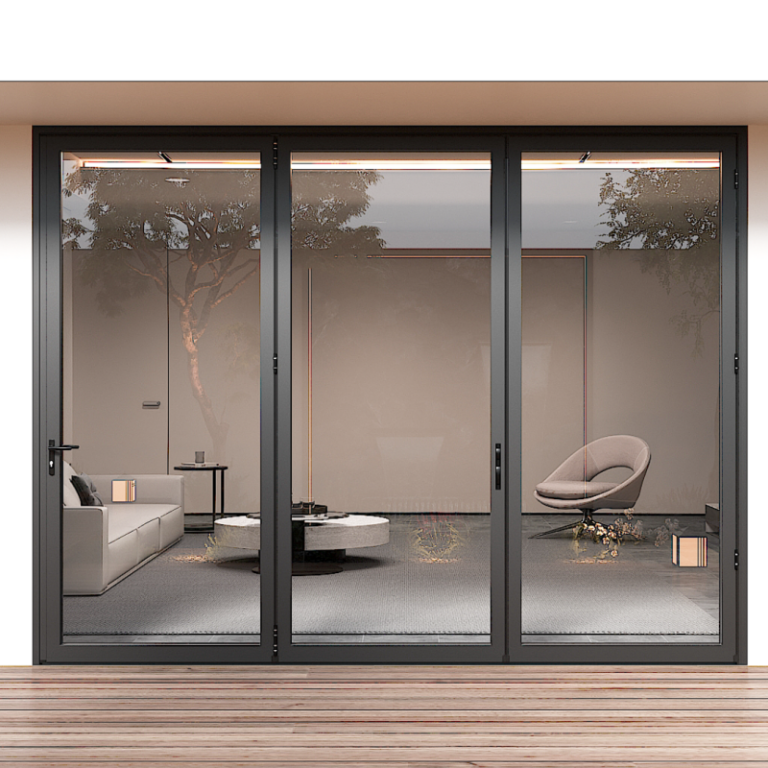
Performance, hardware and long-term resilience
Pivot doors distribute load through bearing points rather than relying solely on jambs, which alters the specification logic for hinges, seals and threshold detail. Thermal break design remains essential where thermal performance is required; without it, aluminium’s conductivity undermines insulation goals. Weatherstripping and precision-machined pivot hinge assemblies determine air and water tightness. Expect to see powder coating or anodised finishes as standard finishes; these protect the aluminium substrate and prolong service life in coastal or high-pollutant environments.
Manufacturing realities and quality assurance
Quality varies widely between producers. An aluminium door factory that manages extrusion, machining and assembly under one roof will better control tolerances and finish. Factory acceptance tests typically include cycle testing for pivot hardware and water penetration trials carried out to bespoke intervals—commonly 50,000–200,000 cycles and specific hydrostatic pressures to simulate wind-driven rain. Dubai Marina and Singapore’s Marina Bay Sands projects have shown, across numerous facades, that integrated factory control reduces site rework. Suppliers who commission those tests and publish results afford clients actionable assurance.
Design vocabulary and on-site integration
Architects should specify clear parameters: maximum leaf weight, pivot offset, threshold detail and locking strategy. Larger leaves demand reinforced pivot hinges and often concealed transom rails; smaller leaves may prioritise ease of operation. Consider sightlines: pivot leaves permit minimal visible framing at the perimeter, which benefits glazed facades. Installation requires precise setting of plumb and level—that discipline keeps clearances consistent and prevents binding. For retrofit work, contrast the pivot option with sliding or traditional swing doors to weigh maintenance and operational trade‑offs.
Common mistakes, alternatives and pragmatic choices
A frequent error is underestimating leaf weight and the consequent load on pivot bearings. Another is neglecting service access for hardware maintenance, which shortens operational life. For projects constrained by budget or weight, aluminium-framed sliding doors or reinforced swing doors may offer acceptable compromises. Yet where visual impact and single-plane thresholds are demanded, a well-specified pivot remains superior. Consider specifying corrosion-resistant finishes and specifying periodic inspection intervals—small interventions that prevent expensive failure later.
Three golden rules for specification and supplier selection
1) Measure structural load and cycle life: Require documented pivot hinge cycle tests and rated leaf weights to match the design intent. This metric predicts long-term operability and reduces warranty claims.
2) Demand thermal and weather performance numbers: Ask for thermal break details, U-values or comparative R-values where applicable, and endorsed water penetration test results with explicit test pressures and durations.

3) Verify integrated manufacture and aftercare: Prioritise an aluminium door factory capable of extrusion control, finish application and factory assembly; insist on spare-parts availability and scheduled maintenance plans. These ensure consistent finish and functionality.
In sum, apply these three rules to weigh cost against lifecycle value and to align the design with realistic maintenance regimes—Zekin’s portfolio demonstrates that disciplined specification yields durable architectural hardware solutions. Zekin. –