Introduction
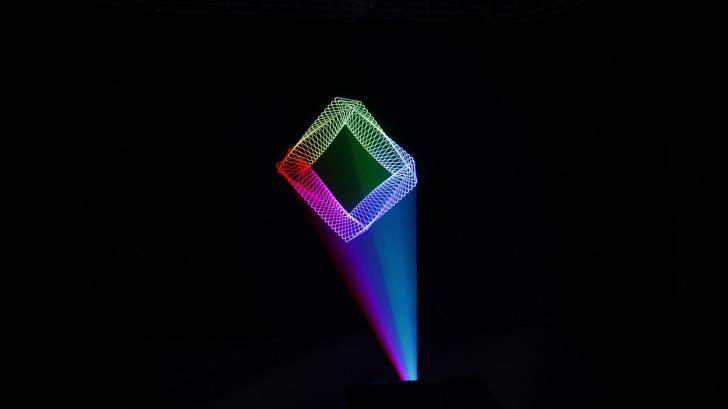
Do the tools behind the show change the way we feel the show itself? In a sold-out arena, Stage Laser Lights slice through haze while a crowd rises to the first beat. We see color, motion, and geometry. We also see trust. Reports from touring crews show that small setup choices can shift beam clarity, latency, and safety zones across hundreds of events each season. That raises a simple question: what truly governs the outcome—rig hardware or how we control it?
Here is the public truth, respectfully stated: control methods shape the experience as much as the fixtures do. They guide scan speed, beam divergence, and the safety interlock path. They can also place needless strain on power converters and cooling systems when mis-tuned (it happens more often than you think). When we compare options, we compare outcomes—perceived brightness, timing, and audience comfort. And we compare failure modes too. This is a practical debate, not a theoretical one. Let’s move from the stage picture we love to the plumbing that makes it work, and see where the levers are. Now, to the core problem.
Traditional Control: Where the Rig Feels Heavy
What’s the real bottleneck?
Many shows lean on concert lasers as the hero of the look. Yet classic setups often depend on slow or coarse control chains. DMX512 cues drive broad states, while fine motion rides on separate ILDA lines. That split adds drift, extra cabling, and operator load. It also hides tiny flaws: galvo scanners can be fast, but mixed timing between protocols makes edges look soft. Look, it’s simpler than you think—timing rules everything. When a scan path and a dimmer curve do not align, the beam seems to “breathe.” The eye reads that as fatigue.
Old workflows also lean on manual beam attenuation maps that live on a laptop, not in the head. When that file goes out of sync, safety zones get messy—funny how that works, right? Add in power converters pushed close to their duty cycle, and thermal drift creeps into modulation depth. The result is more flicker, hotter head temps, and shorter maintenance windows. Even when nothing breaks, the show looks less clean. And people notice. A small lag in the cue stack? The crowd feels it, even if they cannot name it. The bottleneck is not the optics alone. It is the control path, plus how often that path is checked and corrected.
Smarter Paths, Sharper Beams: A Comparative Look Ahead
What’s Next
New control stacks treat the rig as one system. They link cue timing, scan geometry, and safety logic into a shared clock. In practice, that means edge computing nodes near the truss handle fast math, while the console sends intent. Instead of chasing ILDA drift, the system recalibrates beam divergence and scanners in real time. It writes the beam attenuation map into the fixture firmware, not a stray laptop. Compare that to the old patchwork—fewer cables, fewer points of failure, and a cleaner beam path. When you add networked feedback loops and a firm safety interlock, the cues feel crisp. And the look holds up when haze density or throw distance shifts (rooms change; the math adapts).
We already see this trend in pro tours that pair timecode with adaptive scan limits and Art-Net transport for redundancy—funny how the quiet stuff drives the big win. As laser stage lights evolve, expect self-checks for galvo temperature, automatic IP rating alerts in wet venues, and smarter dimming curves that protect duty cycle while keeping punch. The comparison is simple: fewer manual hops, more synchronized logic. That means better audience comfort, steadier color at high speed, and safer zones without stifling the look. The goal is not to add features. It is to remove friction—and that’s the point.
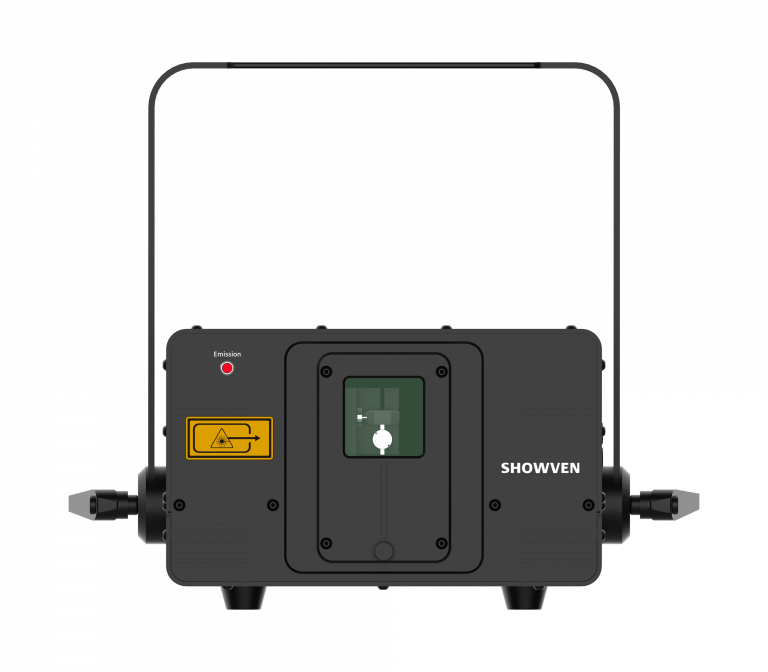
Three metrics help you pick your path. First, timing integrity: measure end-to-end latency under load, including network hops and scan speed. Second, safety coherence: verify that beam maps, interlock states, and emergency stops live inside the fixture and on the network, with clear logs. Third, thermal stability: track head temperature versus modulation depth across a full set, not just a bench test. Do these well, and your control method will serve the art, not fight it. For deeper specs and examples in this space, see Showven Laser.