
A Dublin Street, A Choice, A Question
I stepped out onto a damp Dublin lane, the kind that smells of petrol and rain-soft stone, and watched a rider idle by on a rumbling old twin. The vintage cruiser shimmered under a streetlamp like a story you’d want to believe. Then the numbers nudged me: heavier curb weights, longer stopping distances, service intervals that arrive like frequent bus stops—grand if you like tinkering, hard if you commute. So here’s the question: in a city that changes as quick as the tide, what do you need more—legend or less hassle? (Both, if you can manage it.) I’ll share what riders often miss, and what they can do about it, without losing the craic. We’ll map the trade-offs, the hidden costs, and the bright paths ahead—so the choice feels sound, not lucky. Let’s move from the shine to the bones, then look forward, not back.
Under the Tank: Hidden Pain Points You Don’t See at Idle
What trips riders up most?
Earlier we set style against daily use, and the scales swayed. With vintage motorcycles, the first trap is assuming “a good tune” fixes all. Carburettor jetting can be fussy with weather and altitude, and ignition timing that’s perfect on Sunday can be touchy by Friday rush. Drum brakes heat and fade when you’re descending the quays, and the torque curve that feels sweet at 2,500 rpm may flatten when you need a quick overtake. Look, it’s simpler than you think: a machine built to older tolerances rewards a light hand and regular checks—but it also asks for them. That’s the bargain—funny how that works, right?
Then there’s comfort and flow. Cable clutch pull grows heavy in stop‑start traffic, and swingarm bushings that haven’t seen grease in years turn corners vague. Vibration finds the soft bits: mirrors blur, hands tingle, and that handsome seat can press your hips after an hour. Electricals add their own weather—a regulator/rectifier on the way out gives dim lights and weak charging, exactly when a cold snap hits. None of this is fatal; it’s the cost of character. But it’s hidden cost, and it stacks. The smart move is to plan for it, budget time for it, and choose a bike whose service history reads like a tidy ledger, not a riddle.
Comparative Futures: Where Old and New Meet Without Losing the Song
What’s Next
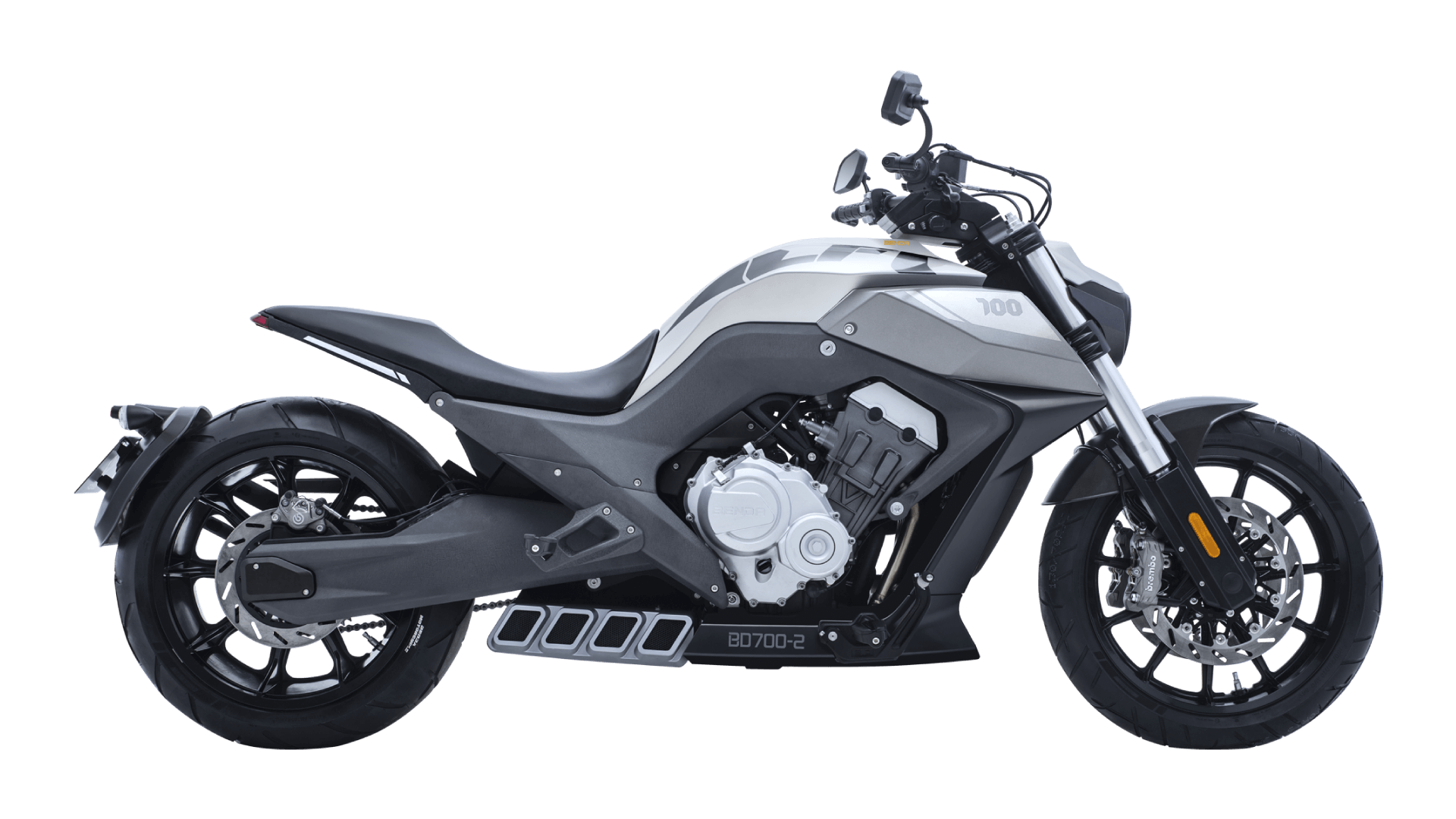
Now, let’s angle ahead. New tech doesn’t have to cancel old charm; it can steady it. Fuel injection replaces guessy jets with stable fuel mapping, so cold starts behave and idle stays even. ABS lends you a second chance when cobbles get slick, while LED lighting sips power and keeps the stator happy. An electronic ignition means no points to chase, and a modern regulator protects the battery from spikes. Put that beside a well-kept carb’d twin and you can see a path: choose the soul you love, then layer the principles—predictable fueling, consistent braking, clean electrons—so the day-to-day becomes less drama and more ride. If you crave the pared lines, a classic bobber motorcycle offers the silhouette, yet can house discreet updates under the skin. You keep the look. You gain steady manners.

What do you measure to decide? Keep it simple and real. First, serviceability: can you reach filters, adjust chain tension, set fork preload without a saga? Second, repeatable reliability: cold starts, charging voltage, and idle stability should be boring—in the best way. Third, fit-for-purpose torque: how the engine pulls from 3,000 rpm matters more than peak figures if you thread city traffic. When you weigh a vintage cruiser against modern metal, anchor your choice with those three metrics, then let your heart pick the tune. We ride for feel, after all—just make sure the feel lasts past the first mile—funny how the right checklist tends to save the romance. For riders who want the lines of yesterday and the steadiness of tomorrow, there’s room to blend both with a steady hand and honest goals, including options from BENDA.