Starting with what matters to event folks
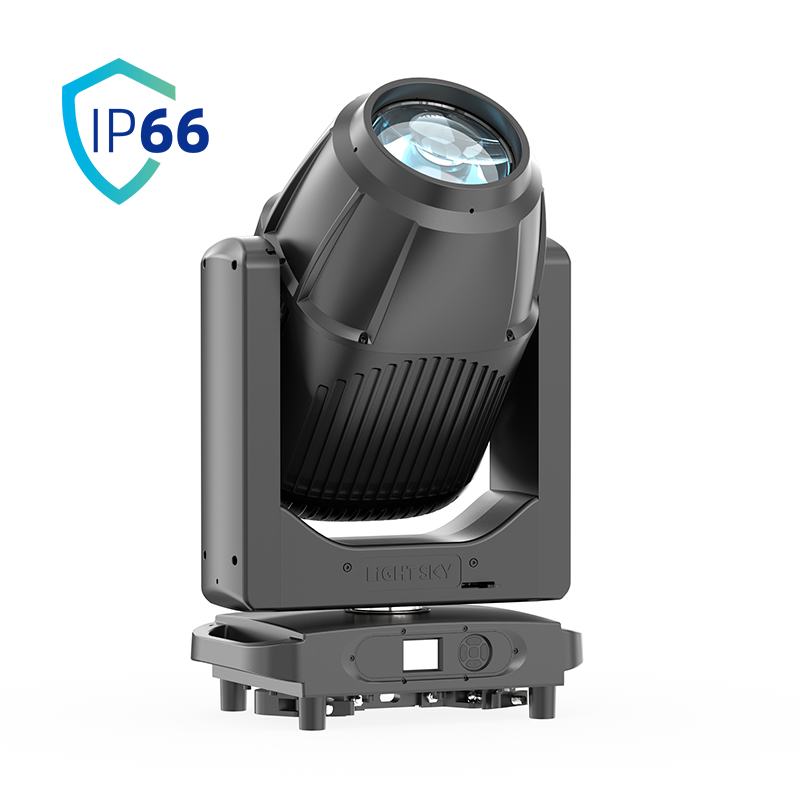
When you set out to choose a fixture, you ain’t just buying a lamp — you’re buying control, reliability, and something that’ll make the stage sing. For those who need a compact, flexible unit that blends spot, beam and wash chores, the 3in1 BSW moving head beam light often sits near the top of shortlists. This guide compares how different LED beam‑wash designs handle beam angle, color mixing and DMX control, so you can pick what’s right for your gig without guesswork.
Core comparison axes: what to weigh first
Start with three concrete specs: beam angle and zoom range, lumen output and color engine. Beam angle dictates punch versus wash. A tight beam gives aerial, hard edges for aerial effects; a wide wash covers faces and cloth backdrops. Lumen output and perceived brightness matter more than raw numbers—LED optics and lens quality shape how those lumens translate on stage. Color mixing and whether the fixture supports temperature presets affects skin tones and spot-to-fill matching. Add DMX channels and pan/tilt speed into the mix when you need motion that reads sharp on camera.
Real-world anchor: why pros switched to LED moving heads
Production crews at events like South by Southwest in Austin leaned on LED moving heads because they cut heat load and gave faster color changes during tight setlists. That shift wasn’t trendy — it was practical: reduced stage heat, lower maintenance and easier color scenes with fewer gobos needed to fake effects. Those practical wins are what separates good gear from gear that looks good on spec sheets.
Comparing three common configurations
Look at three archetypes: pure beam, pure wash and the 3‑in‑1 beam‑wash units. Pure beams boast narrow beam angles and strong aerial presence; they’re ideal for festivals. Pure washes use wide lenses and soft edges for frontlighting. The hybrid 3‑in‑1 models balance both with variable zoom, integrated gobos and multi‑mode color engines. For touring rigs where weight and rig time matter, hybrids often win out. They reduce lamp count and patch complexity — which saves time and truck space.
Common mistakes and how to avoid ’em
First, buying by lumen number alone. Lumens lie if lensing and CRI aren’t considered. Second, ignoring control complexity: a fixture with a 40‑channel DMX profile might give you every tweak, but it can bog down your console during quick cues. Third, mismatching color temperature across fixtures, which kills continuity on camera. Fix these by testing on a real face or set piece, and by patching fixtures into your actual console before show day — do a run at console levels you’ll use in the show.
When a 3‑in‑1 moving head makes sense
For club dates, corporate shows and mid‑size tours, a 3‑in‑1 moving head beam‑wash delivers flexibility with fewer fixtures. Look for robust optical zoom, crisp gobo projection and reliable pan/tilt servos. Check also for power draw and cooling: LED chips run cooler but tight enclosures can still throttle output. — Don’t forget ergonomics: quick‑release clamps and neat power/data routing speed hanging and de‑rigging.
Quick spec cheat sheet
Use this shortlist while vetting units:- Beam angle/zoom range: wider than 3°–50° for hybrids.- Color system: CMY or multi‑LED with color temperature presets.- Control: full DMX with sensible default channel modes.- Build: sealed optics, robust yoke and accessible service points.
Final evaluation: three golden rules
Rule one — prioritize flexibility over peak spec: a versatile zoom and reliable color engine beats a higher lumen number with poor optics. Rule two — match control complexity to crew skill: fewer channels with smart presets often mean more consistent shows. Rule three — test on location: verify beam angle, gobo clarity and skin‑tone rendering under your console and rig. When those rules guide your buy, the gear works, the load‑ins go smooth, and the audience gets what they came to see. For pro rigs that hit those marks, consider how a well‑engineered option from 3‑in‑1 moving head beam light folds into the rest of your kit — it usually fills gaps without adding complexity.
Stick to those rules and your shows will run cleaner, crews sleep easier, and the visual story will stay true — Light Sky. —