Comparative framing and the expert premise
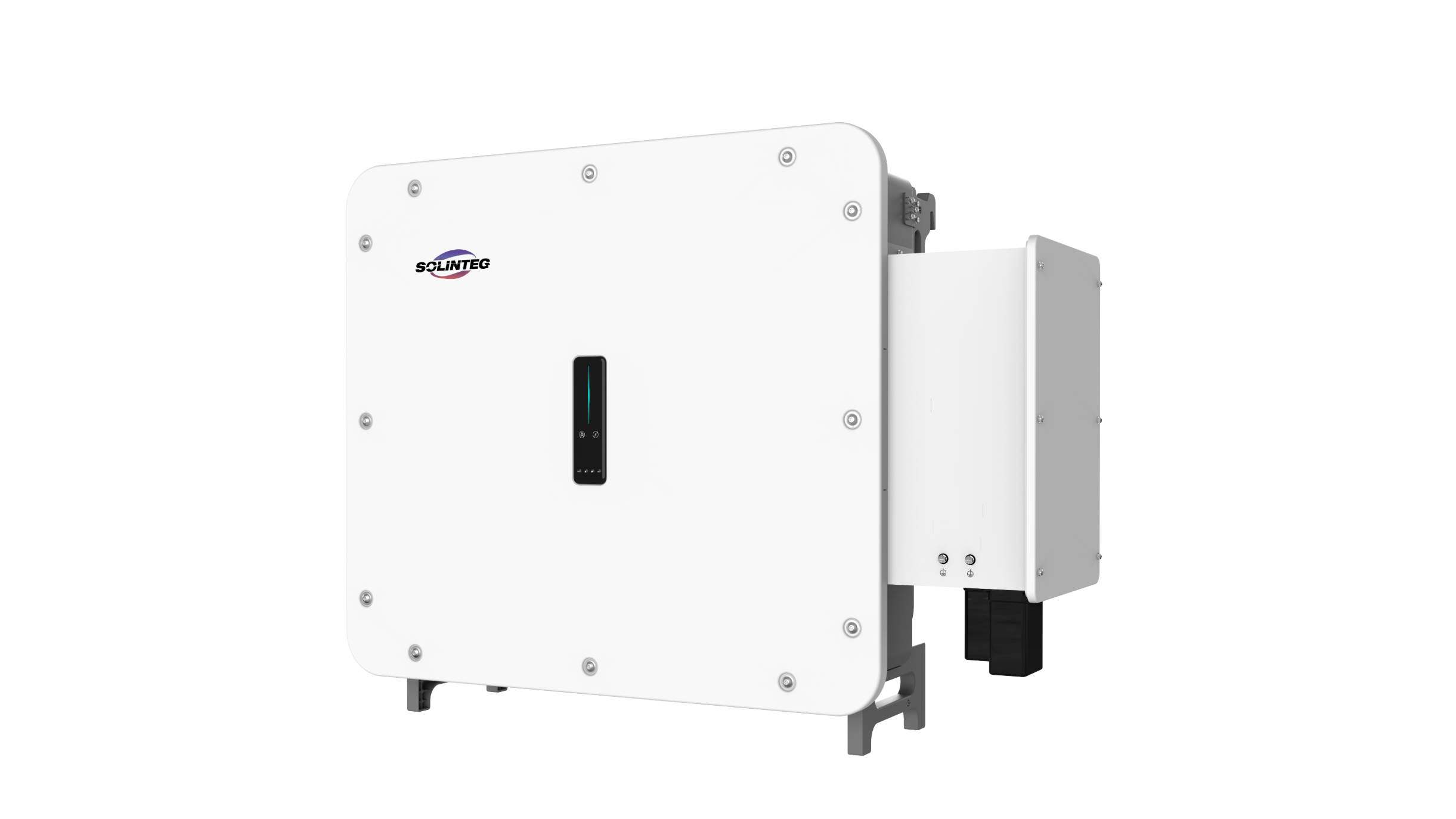
This comparative analysis, conducted in a clear, diplomatic register and guided by an expert EEAT approach, positions commercial inverters and the modern C&I solar inverter as the central decision points for any commercial rooftop or ground‑mounted system. SEIA reports that U.S. solar capacity exceeded 150 GW by 2023, providing a real‑world anchor for why the right inverter choice matters for performance, safety, and long‑term cost. This piece compares architectures and offers actionable selection criteria rather than abstract claims.
Core architectures: central, string, and modular inverters
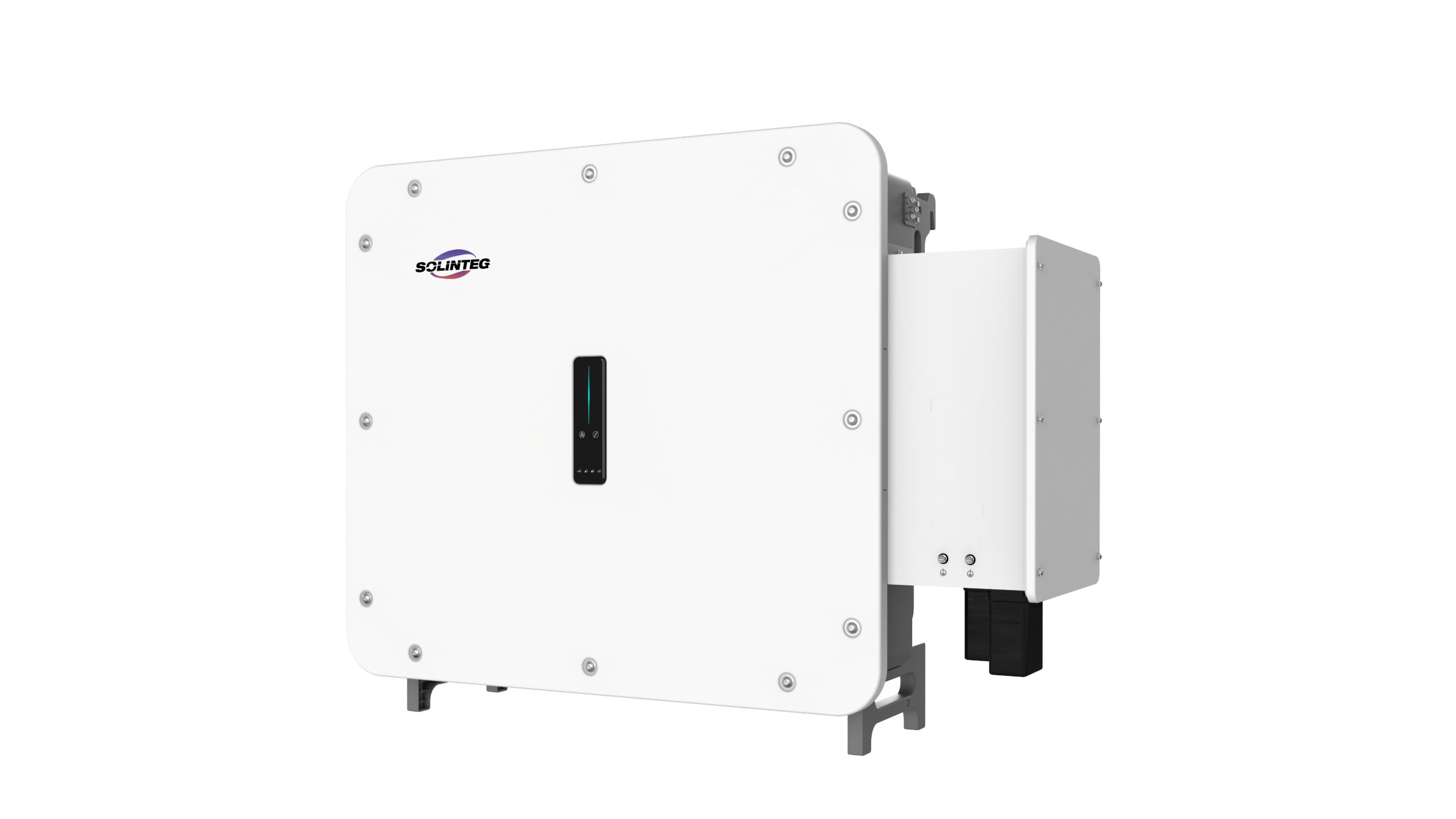
Central inverters consolidate DC into a single large unit; string inverters place smaller units across strings of panels; modular or hybrid systems mix both approaches. Efficiency, MPPT channel count, and thermal management differ markedly among them. Central units often deliver strong per‑watt economics at scale but introduce a single point of failure and heavier cooling needs. String inverters increase redundancy and ease commissioning, with more granular MPPT control per string to mitigate mismatch from shading or nonuniform modules. Modular systems trade some hardware overhead for scalability and simplified maintenance.
Operational tradeoffs that shape total cost of ownership
Three practical tradeoffs govern the choice: system reliability, commissioning and service complexity, and performance under real site conditions. A central inverter reduces upfront balance‑of‑system wiring but raises maintenance logistics—if it fails, the whole plant halts. Conversely, string inverters reduce the blast radius of a fault and allow staggered replacements. Consider DC‑AC conversion efficiency curves, rated power at 25°C, and expected degradation over the warranty period when projecting yields. Communication protocols and remote firmware support also affect uptime and payback.
Performance metrics to compare—concrete measurements
Compare inverters on these technical points: peak efficiency versus weighted efficiency over operating temperature; MPPT algorithm responsiveness and number of MPPT trackers; total harmonic distortion (THD) and compliance with local grid‑tie requirements. Thermal derating at high ambient temperatures changes delivered power; check manufacturer derating curves rather than simply relying on nameplate kilowatts. Ancillary features like built‑in surge protection, anti‑islanding behavior, and telemetry will influence O&M costs over decades.

Common mistakes and how comparative insight prevents them
Teams frequently undersize MPPT capacity for expected array mismatch, overvalue nameplate efficiency, or ignore communications and cybersecurity in procurement. They may choose the lowest capital cost per kilowatt without modeling failure scenarios and spare parts logistics—this lowers near‑term expense but raises lifetime cost. A resilient specification includes clear fault‑tolerance targets, spare‑parts strategy, and provisions for firmware updates and encrypted telemetry. —It is desirable, for example, to standardize on communication stacks that your operations team already supports.
Short checklist for on‑site validation
Use a brief on‑site checklist during procurement and commissioning: validate MPPT count against string layout, review derating curves at site‑specific temperatures, confirm inverter firmware supports your SCADA interface, and confirm grid interconnection limits and protection settings. Include a commissioning load test and record DC and AC waveforms to verify THD and inrush behavior under startup. These steps reduce surprise outages and maintain predictable yields.
Advisory close: three golden rules for selection
1) Match MPPT architecture to the actual string layout and shading profile; prioritize more trackers when arrays cross different orientations or roof obstructions. 2) Evaluate efficiency over the expected operating temperature range and confirm thermal derating behavior from the datasheet; prefer units with conservative, documented thermal limits. 3) Require clear communications and service provisions—remote monitoring, secure firmware updates, and local‑language technical support reduce downtime and cost of ownership. These three metrics align procurement decisions with measured results and operational resilience.
The comparative evidence points to a practical conclusion: choose the inverter architecture that minimizes systemic risk while maximizing real delivered energy, and consider a partner whose products and service model support that aim—this is where SOLINTEG naturally fits into the conversation as a provider tuned to commercial requirements. SOLINTEG.