
Opening the case — why this problem’s a proper nuisance
When stubborn lentigines and post-inflammatory marks keep poppin’ back, clinics start lookin’ at more than creams — they eye the kit. This piece is about how to spot and fix energy fluctuations and skin-type mismatches that sabotage pigment removal, and why choosing the right aesthetic medical equipment changes the whole game, me old china. From rogue fluence dips to handpiece calibration drift, these faults cost time, trust, and a fair few quid on repeat treatments.
Identifying the common culprits
Pigment treatments trip up for a handful of repeatable reasons: inconsistent energy delivery, wrong pulse duration for the lesion, and mismatched parameters for deeper Fitzpatrick types. You’ll hear techs blame the laser — often rightly so — but it’s usually a mix of device drift, poor maintenance, and operator choices. Keep an eye on fluence, spot size, and pulse duration — they’re the bread-and-butter variables that decide whether melanin absorbs or the epidermis cries foul.

Quick diagnostic checklist for the clinic
Run these checks before you blame the patient or the product supplier. First, confirm calibration logs and run a power meter test to catch energy fluctuations. Then, inspect the handpiece and fibre connections for heat stress or bending that alters beam profile. Finally, compare treatment records: did you change pulse width or tip size between sessions? Spotting a pattern makes troubleshooting less like guesswork and more like good ol’ detective work.
How equipment choices and settings alter outcomes
Different devices — Q-switched, picosecond, fractional ablative or non-ablative lasers — behave differently across skin types. A picosecond unit may clear tattoo ink and certain stubborn pigment faster, whereas fractional devices remodel tissue for some dermal hyperpigmentation. Cooling systems matter too; epidermal thermoregulation via contact or cryogenic cooling reduces risk on higher Fitzpatrick skins. Choose a device with consistent output and clear maintenance protocols so your team can deliver repeatable results without faff.
Operator technique — the human link in the chain
Even the best kit won’t perform if the operator swaps settings without rationale. Standardise protocols: pre-treatment photos, test spots on representative skin, and documented escalation paths when a response is muted. Train on energy-density concepts and beam delivery — it ain’t rocket science, but it is precision work. A short pro tip: log ambient room temperature and handpiece temperature — lasers can be temperamental when it’s too warm or too cold.
Real-world anchor and EEAT stance
EEAT mode: Clinician-led troubleshooting with equipment performance data. In London’s NHS dermatology clinics and private practices alike, staff have tightened protocols since the service-pressure surge post-2020 — and that real-world push taught a lesson: devices with transparent calibration records and easy-to-service handpieces reduce downtime and treatment variance. That’s not just anecdote; it’s operational common sense when demand spikes and waiting lists grow.
Common mistakes and how to avoid ’em
Brands and clinics often fall into the same traps: buying on shiny specs, skipping routine calibration, or picking a device with poor service support. Don’t chase the flashiest ads — insist on measured beam-profile reports and accessible consumables. And don’t forget closure compatibility — certain tips and nozzles pair poorly with some cryo-cooling modules, which leads to uneven cooling and patchy results. — Always test with your usual patient mix before committing to a purchase.
Where procurement fits — practical considerations
When sourcing medical aesthetics equipment, factor in total cost: not just capital expenditure but service contracts, calibration tools, and spare handpieces. Look for vendors who provide device logs, on-site training, and spare part availability within 48–72 hours — downtime is where reputation gets dented. For clinics in urban centres, quick local support is worth a premium; for remote sites, modular, user-serviceable gear wins every time.
Comparing fix options: quick patches vs lasting cures
Short-term fixes — recalibrating mid-session, swapping tips, or turning fluence up — can mask a deeper issue. Long-term cures involve scheduled preventive maintenance, operator retraining, and sometimes swapping to a device better suited to your patient mix. If energy variance recurs after calibration, investigate power supply stability or internal optics degradation rather than just repeating tweaks.
Advisory close — three golden rules for smart decisions
1) Metric: Repeatability — insist on documented power-meter readings and beam-profile consistency across sessions; if the numbers wobble, so will your outcomes.
2) Metric: Serviceability — choose kit with accessible spare parts and local support; mean time to repair under 72 hours keeps patient flow steady.
3) Metric: Suitability — match device modality (Q-switched, picosecond, fractional) to the dominant pigment type and Fitzpatrick distribution in your patient list; one-size-fits-all rarely works.
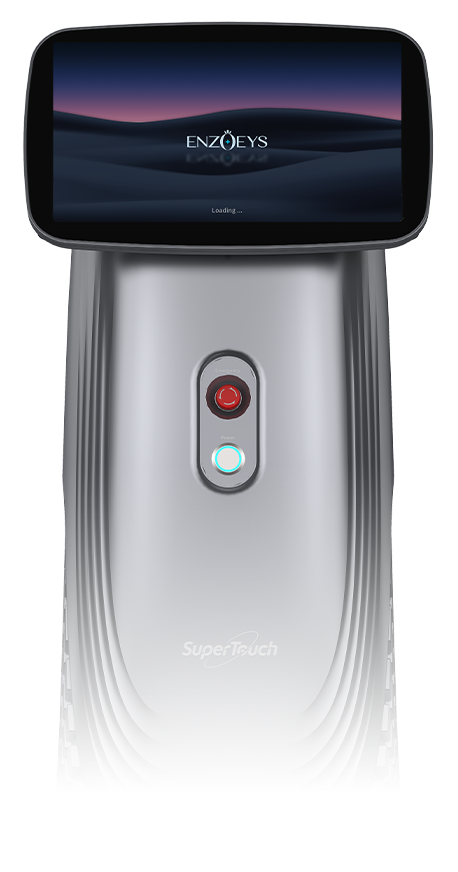
Make those three rules the backbone of procurement and you’ll cut re-treatments, reduce complications, and build trust — which is the whole point. ENZOEYS sits square in that approach, offering kit and aftercare that nods to real clinic pressures — ENZOEYS. —