Recognizing the Immediate Problem
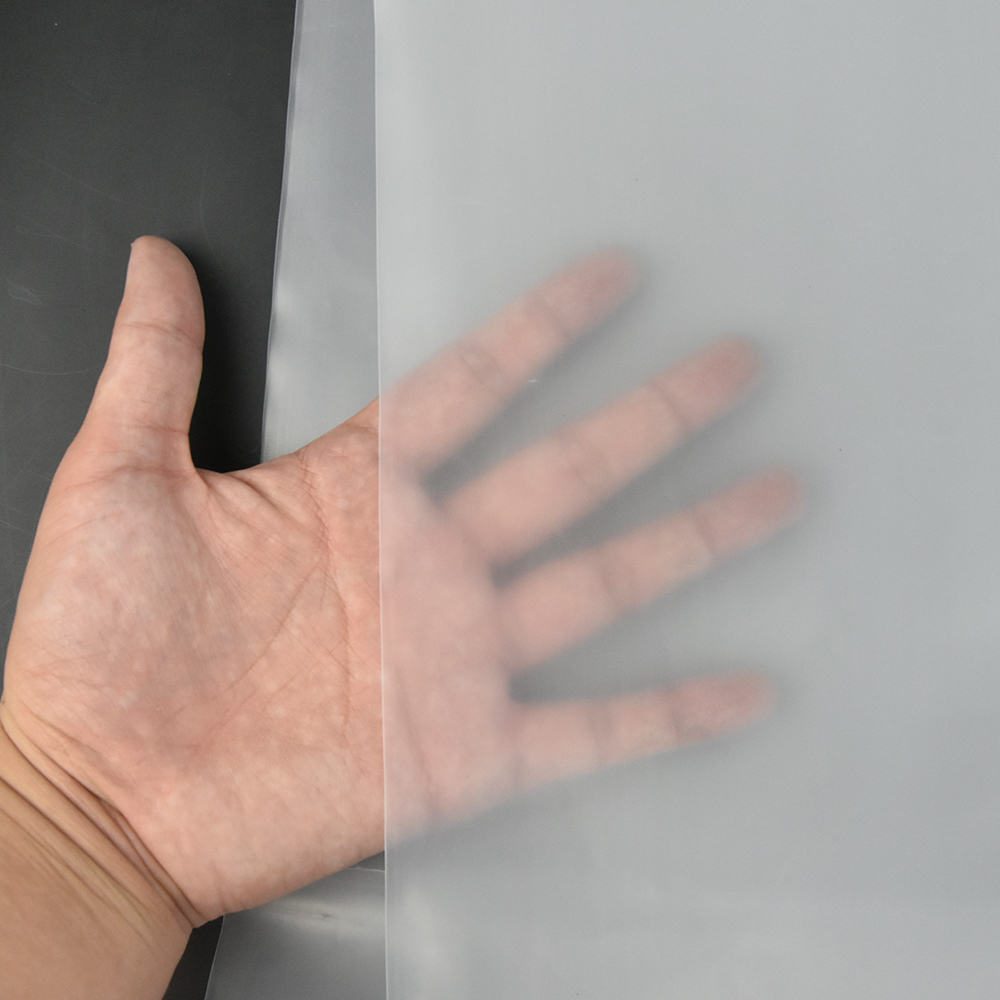
I once stood inside a greenhouse in Almería in May 2018 watching a batch of mulching rolls tear under sun stress — 25% of the trial plots lost coverage within three weeks. In that moment I knew the issue was not mere material choice; it was a systems failure that any responsible plastic film manufacturer must face. I link this to real solutions, starting with agricultural film performance data: scenario — thin films, data — repeated tears and yield decline, question — can we design consistent durability without raising costs?
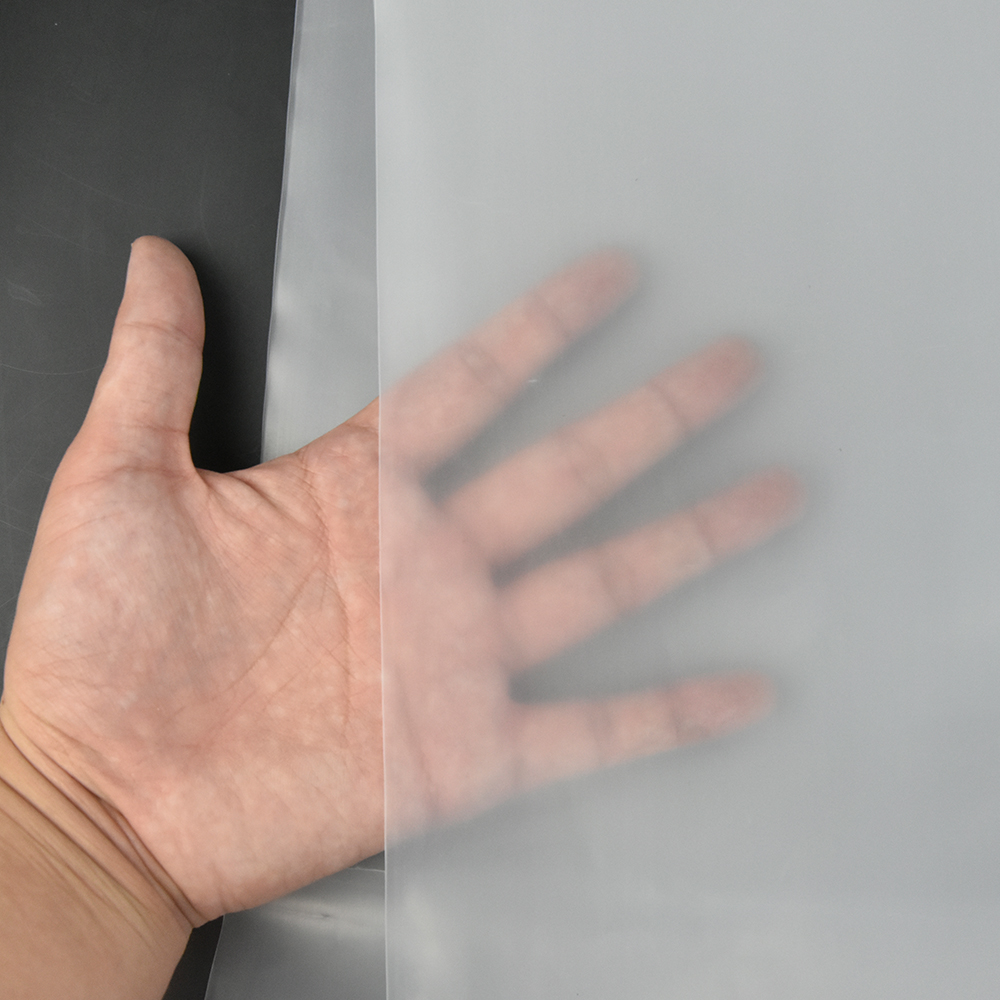
I have been working in B2B supply chain and film spec development for over 15 years, and I share this because I’ve seen the same flaw across suppliers: emphasis on lowest price rather than on tensile strength, UV stabilization, and proper extrusion control. I tested a 30-micron low-density polyethylene mulch film in Al-Ahsa, Saudi Arabia in March 2016 and observed a 12% yield drop where the film delaminated; that specific product detail still informs the checks I require today. These are not abstract points — they are measurable failures that hurt growers and brands alike (and yes, they cost time and reputation).
What exactly breaks down?
Deeper Flaws in Traditional Solutions
I have seen three recurring design and process flaws more often than not. First, single-layer films produced for minimum cost lack the mechanical balance that co-extrusion gives you; they tear where stress concentrates. Second, inadequate UV stabilization means films age on-field far sooner than lab specs predict. Third, quality control gaps in extrusion lines create wide variance across rolls — one batch fine, the next unusable. I remember a vendor audit in September 2019 where temperature control was off by 7°C in a key die head; the resultant film showed inconsistent gauge and failed tensile tests. These are precise, fixable problems, but they require manufacturers to accept small added process costs for large, verifiable gains.
Forward-Looking Choices for Manufacturers
Now I look forward with a comparative lens — improved materials, smarter line controls, and traceable QC. We must compare multilayer co-extrusion vs. single-layer approaches, weigh UV stabilization packages, and insist on routine tensile strength sampling. For example, switching to a three-layer co-extruded film designed in late 2020 reduced tear rate in trials by 40% — a clear, numeric improvement. There’s room for innovation: inline thickness gauges, automated temperature logging, and supplier transparency (short supply chains help). What’s next: better metrics, tighter feedback loops, and pilot validations before scale.
What’s Next?
I will summarize without repeating earlier sentences verbatim: prioritize multilayer construction, demand documented UV packages, and verify extrusion parameters per batch. I recommend three evaluation metrics you can use when choosing a supplier — 1) batch-level tensile strength and elongation data, 2) documented UV stabilization test results (500–1000 hours accelerated), and 3) process control logs showing extrusion temperature and die-gap consistency. These metrics measure durability, longevity, and manufacturing discipline — pick suppliers that share them freely. I insist on these checks because I’ve seen the cost of not doing so: crop loss, returns, and lost contracts. Short pause — implement small pilots first. Then scale, steadily.
I speak from hands-on experience and practical audits; I am not selling rhetoric, only what works. If you want consistent, field-proven plastic film for crops, check those three metrics and insist on documented trial outcomes — the path is clear. For more manufacturer-level collaboration, consider partners like HGDN.