Hidden Friction in Conference Audio
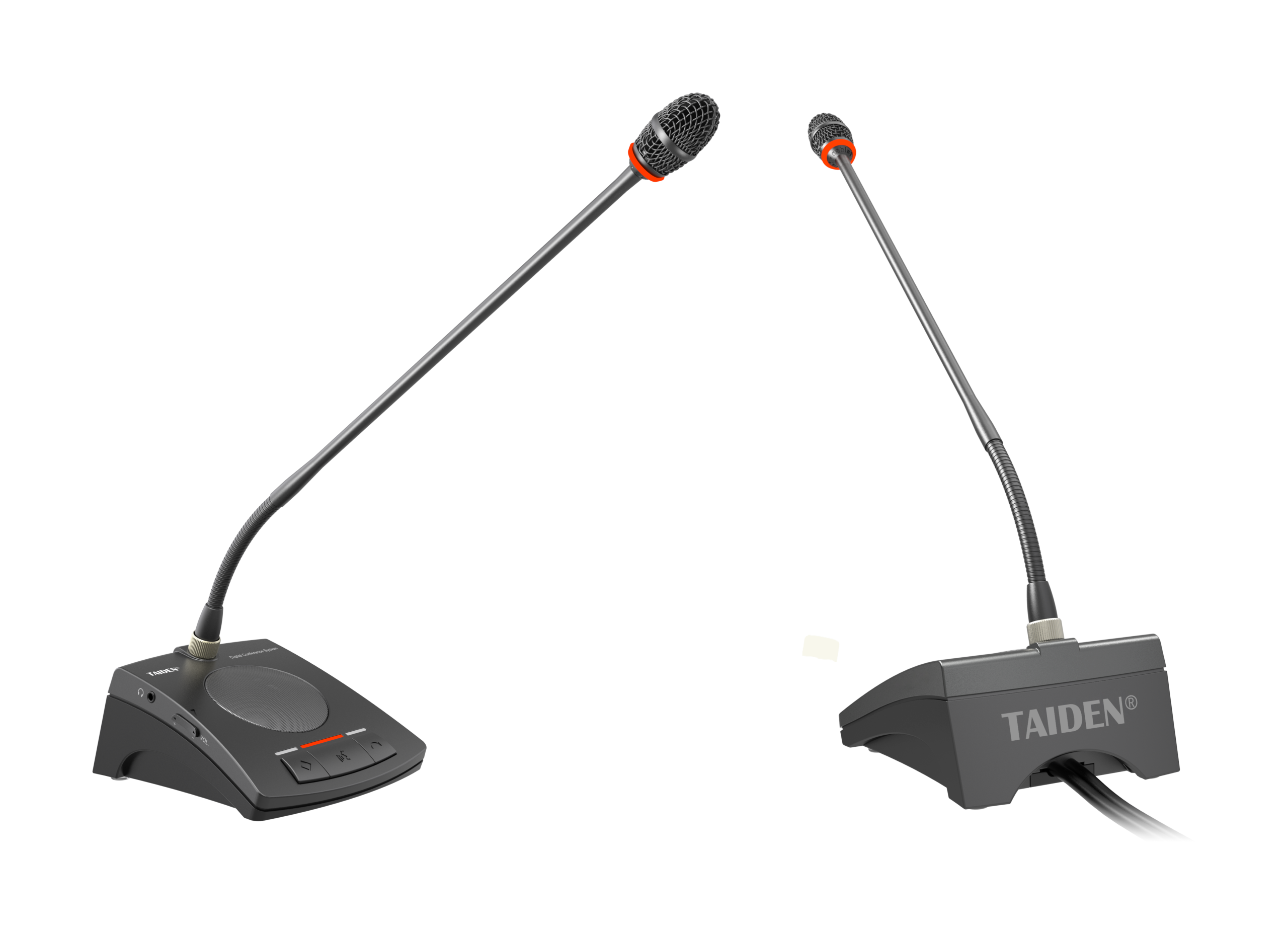
Here’s a clear frame: a meeting starts on time, slides are ready, and the remote team joins. With modern audio visual conference equipment, success should be a given. A conference room speaker and microphone system can be flawless on paper yet shaky in practice. Why? Because sound is physical, human, and a little messy. The room reflects. People talk over each other. Laptops wander. Even with beamforming arrays, strong DSP, and careful acoustic echo cancellation, tiny gaps remain—settings drift, gain staging slips, and background HVAC rides the mic. Studies often note 5–10 minutes lost per meeting to audio friction; that adds up fast. So the real question: if the gear is advanced, why do we still repeat “Can you hear me now?” (We’ve all been there.) Look, it’s simpler than you think—yet it’s also deeper than a single checklist. Let’s unpack the hidden friction that sits between specs and speech clarity, then connect it to what you can fix next.

Where does the noise really start?
Hidden pain points often live in the seams. Table mics migrate away from talkers; ceiling tiles bounce sound; and power converters add that faint hum no one tracks until it’s too late. Latency creeps in when soft codecs and in-room processors clash. Mode changes confuse users—speakerphone, room mode, laptop pass-through—so the same chain behaves three different ways. And when policies block auto-updates, firmware falls behind, and your clever AEC no longer plays well with today’s app. The result is not a single “failure,” but a stack of little ones that pile up—funny how that works, right? The fix starts with mapping talker distance, mic pattern, and speaker coverage to the actual seating plan, not the ideal one. Then align gain structure and presets to roles, not just rooms. This is the bridge from “it should work” to “it works every time.” Next, let’s look ahead—what’s changing in the tech that will make this easier?
Next-Gen Audio: Principles That Change the Meeting
What’s Next
Tomorrow’s rooms shift from manual tuning to adaptive sound. Think self-calibrating arrays that learn seating patterns over time, plus cloud-linked DSP that pushes smarter profiles to the edge computing nodes in each room. AI noise removal moves beyond “fan vs. voice” and starts detecting priority speech, side chatter, and near-far imbalances in real time. Even entry-level conference equipment now arrives with auto-mixing, preset sanity checks, and voice activity detection built in. Networked audio with PoE simplifies power and routing, while room analytics surface hard numbers: speech transmission index, talk-time fairness, and alerting when a mic is out of pattern. The big change is consistency across platforms—Zoom today, Teams tomorrow—without re-tuning everything. Less fiddling, more speaking — and yes, the fix is not always new gear. Often it’s the right policy, loudness targets, and a clean handoff from device to room.
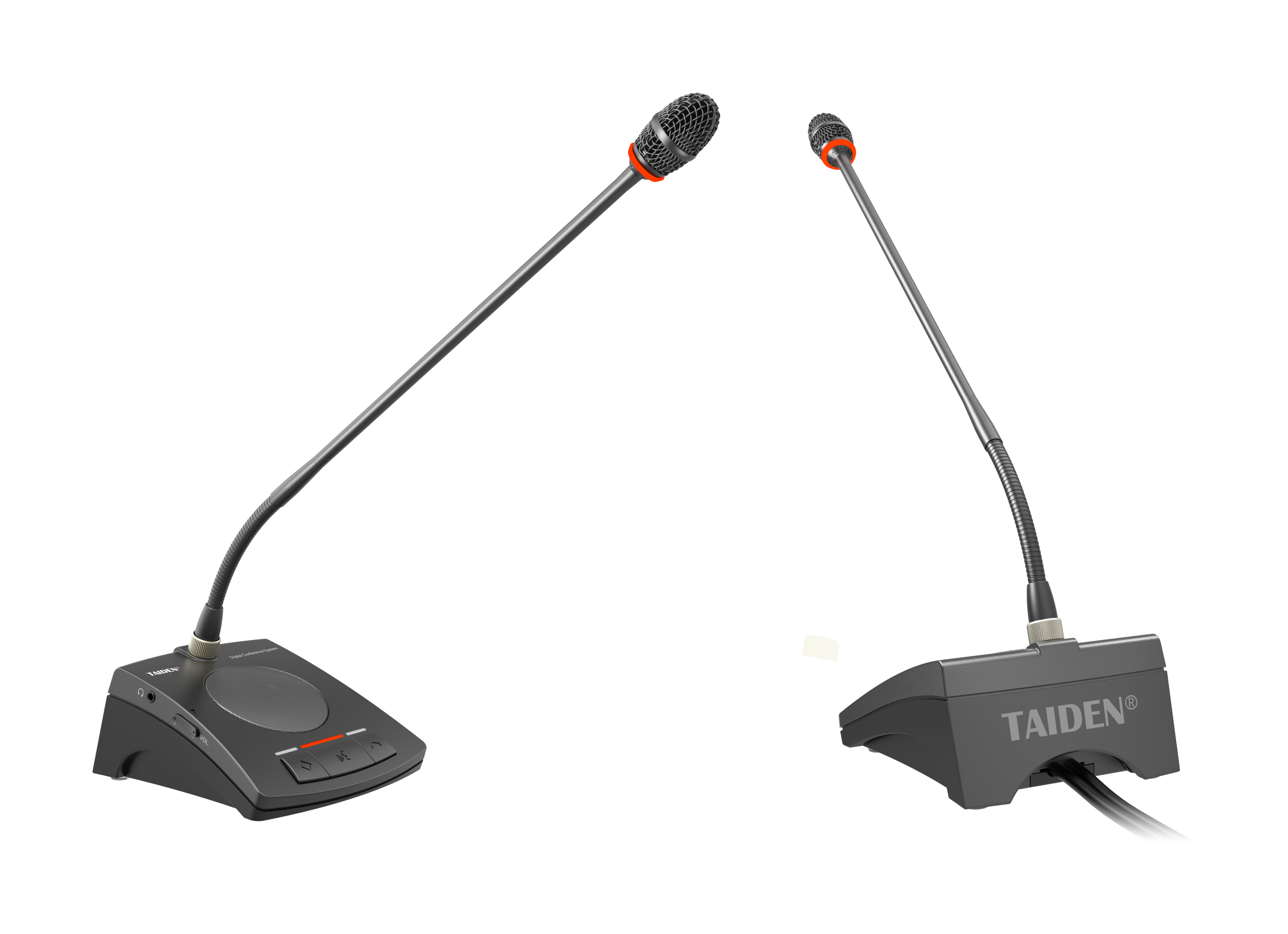
Here’s a fast way to choose better and measure it. First, set an intelligibility bar: aim for a reliable STI in the “good” range under real use, not just during commissioning. Second, watch end-to-end latency; under 30–40 ms keeps talkers in sync with their own voice and avoids weird doubling. Third, require management signals: proactive alerts when gain clips, when a mic leaves its beam, or when firmware diverges from your standard image. Summing up, we moved from hidden behavioral gaps to tech that adapts around them, without overhauling everything at once. Use data, plan for human habits, and keep your audio chain simple to drive. If you want a reference point as you compare platforms and policies, many integrators look at mature ecosystems such as TAIDEN for how they balance features with day‑to‑day reliability.