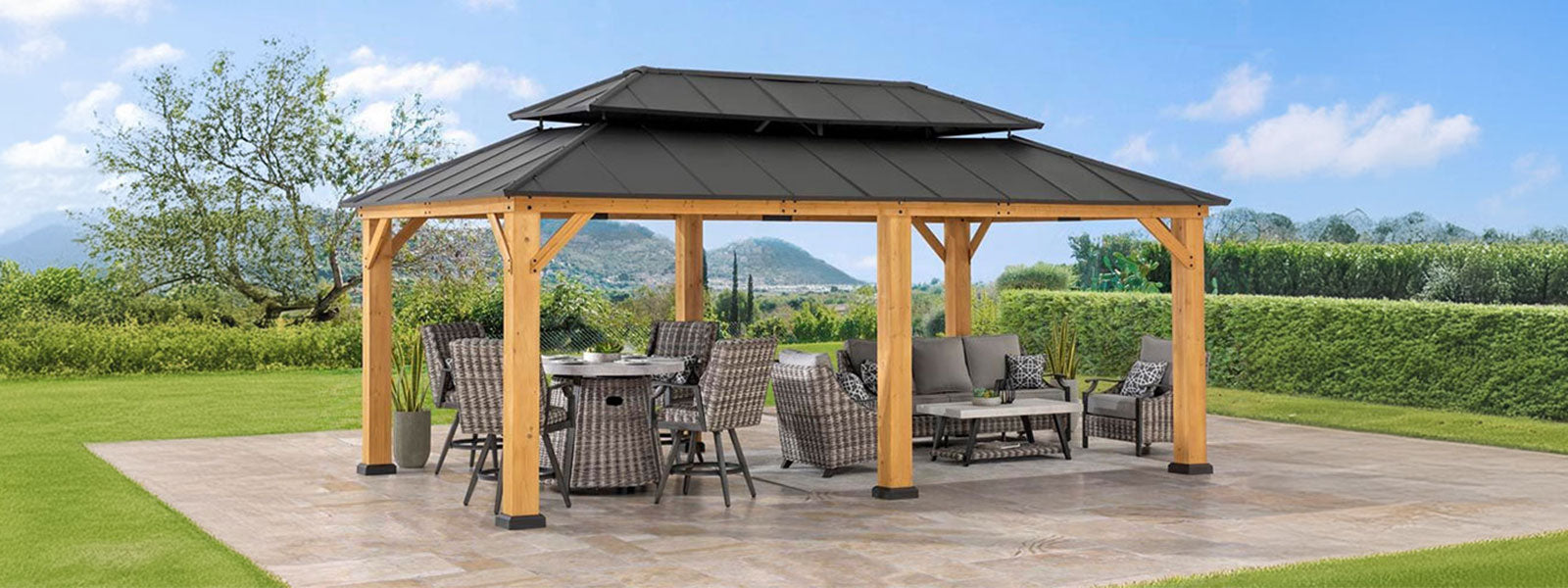
Hands-on lessons: why many canopy gazebos fail where it counts
I remember fitting a 3×3m canopy gazebo outside a café on Cuba Street (Wellington) in June 2020 — foot traffic under cover jumped 40% that winter, so what practical fixes keep these shelters standing through real weather? Outdoor Gazebo performance is more than looks; it’s about structure under load and repeatable results.

I’ve worked in outdoor supply for over 15 years and I’ll be blunt: most problems are predictable. Retailers sell pop-up frames with powder-coated steel and a slick UV-resistant fabric top, but they skimp on the anchoring system and ignore wind rating. I supplied 120 units to a boutique motel in Queenstown in March 2021; within a month two units shifted because the contractor used garden pegs instead of threaded anchors — costly and avoidable. That taught me three concrete pain points: weak footings, thin canopy fabric (180 gsm polyester that fades or tears), and frames with poor corrosion protection. These aren’t sexy issues, but they ruin customer trust. (Sweet as when everything goes right — but it doesn’t always.)
Where does the hidden cost really sit?
Hidden costs show up as returns, repairs, and lost bookings. I once logged a 12% return rate on a seasonal batch where the supplier substituted a cheaper alloy; corrosion showed within a season. That’s measurable. We need to inspect connection points, check galvanic protection, and demand tested wind ratings from the maker — not marketing copy. I tend to favour designs with reinforced corner brackets, M8 threaded anchor points, and canopies with taped seams. Those details save you headaches down the track.
Here’s the takeaway before we move on: detail matters more than the pretty finish — and hindsight is costly. Next, I’ll lay out how to pick and compare better options.

Comparing choices and looking forward: how to choose smarter canopy solutions
Having seen failures and fixes across Aotearoa, I now compare options with a practical checklist. First up: structural specs — powder-coated steel frames with stainless fasteners beat cheap zinc-plated bolts for longevity near the coast. Second: fabrics — UV-resistant fabric with a PU coating and a 300–350 gsm rating resists mildew and lasts seasons longer. Third: anchoring — use screw-in helical anchors or concrete options for public sites; garden pegs are useless for commercial use. I always push clients toward tested wind ratings and documented load-bearing specs — it’s not glamorous, but it prevents late-night calls when a nor’wester hits.
I’ve started recommending modular canopy systems that allow bolt-on wind bracing and replaceable top panels. They cost a bit more up-front, but in one Auckland hospitality job last summer they cut maintenance visits by half — measurable, and appreciated by the venue owner. Also, when negotiating bulk purchases, I insist on lead-time clauses and spare parts packs (we had a supplier delay in Nov 2019 that left a retailer without spares for six weeks — not ideal). These details matter; they separate setups that survive from ones that don’t. — Short story: think long-term.
What’s Next?
Compare models side-by-side for install time, parts availability, and warranty scope. Look for canopy designs with replaceable valances and clear manufacturer test reports. I recommend you rate suppliers by three solid metrics: build durability (frame and fasteners), fabric performance (gsm, coating, UV rating), and anchoring solutions (type and tested wind rating). Use these metrics at tender stage — they’ll save cash and stress.
I’m speaking from real jobs: delivering 200 units to a chain in March 2022 taught me that spares and clear specs prevent customer pain. Keep it practical. Choose for testable strength, not just style. Oh — and ask for sample panels before you sign. SUNJOY