
Introduction — a quick reality check
Ever stared at a pile of samples and thought, “This is asking for trouble”? Rhetorical question, I know — but labs really do run into that mess more than you’d guess. An automated nucleic acid extraction workstation sits in the middle of that scene in many labs; it’s supposed to save us, but sometimes it just highlights other cracks (long shifts, tight budgets). Recent reports show error rates and bottlenecks still bite lab throughput by double digits in some workflows — so what gives?
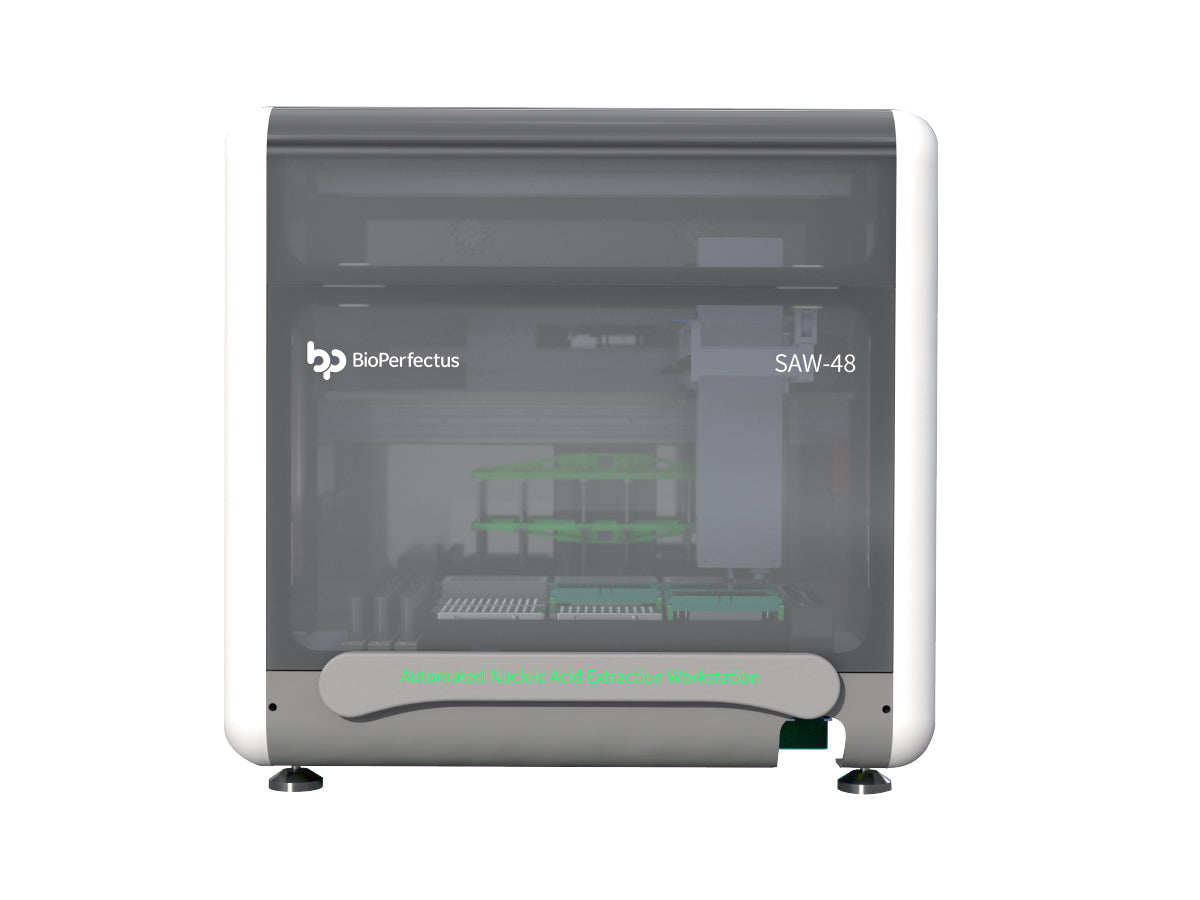
Here’s the scenario: you have a rush batch, a half-trained technician, and a deadline. Data: runs delayed, re-extraction needed, morale low. Question: are we blaming the people, or is the gear and workflow failing us? I’ll walk through the pain points, point out where common fixes fall short, and sketch how better design can help — next up: what actually breaks down under pressure.
Part 2 — Where traditional setups fail (deep dive)
Why does it break down?
When I look at a dna extraction workstation, I don’t just see shiny steel. I see a chain: sample prep, liquid handling, magnetic bead binding, wash steps, elution. If one link is weak, the whole run suffers. Traditional benches often rely on manual pipetting backup plans, inconsistent automation protocols, and ad-hoc error handling. That’s why you get batch-to-batch variability and, frankly, wasted time.
Technically speaking, the common flaws are repeatable. First, contamination vectors: open plates and poor tip management increase cross-sample risk. Second, throughput mismatches: the instrument can be faster than your upstream prep — or slower than your downstream qPCR — so you get idle time and bottlenecks. Third, maintenance and calibration gaps: sensors drift, pumps clog, magnetic beads don’t behave identically every lot. Look, it’s simpler than you think to spot these weak points, but fixing them takes both software tweaks and hardware discipline. I’ve watched teams patch problems with scripts or manual checks — short-term wins, long-term headaches.
Part 3 — Principles for the next wave (what to look for)
What’s Next — smarter principles, not just new toys
I want to shift from lamenting to planning. New designs for a dna extraction workstation should rest on three clear principles: resilient liquid handling, modular maintenance, and transparent automation protocols. Resilient liquid handling means precise pipetting systems and better tip tracking to cut contamination. Modular maintenance means parts you can swap quickly — pumps, power converters, sensors — so downtime is short. Transparent automation protocols give you logs, simple rollback steps, and integrated QC checkpoints (so you catch drift early).
Technically, that looks like closed-loop feedback on pipetting volumes, routine checks on magnet strength for bead-based purification, and smarter scheduling so the robot’s throughput matches the human steps around it. These changes aren’t just bells and whistles — they reduce repeats, save reagent cost, and lower stress. — funny how that works, right? I’d add that good user interfaces and clear SOP overlays make adoption smoother. We need instruments that fit human work habits, not the other way around.
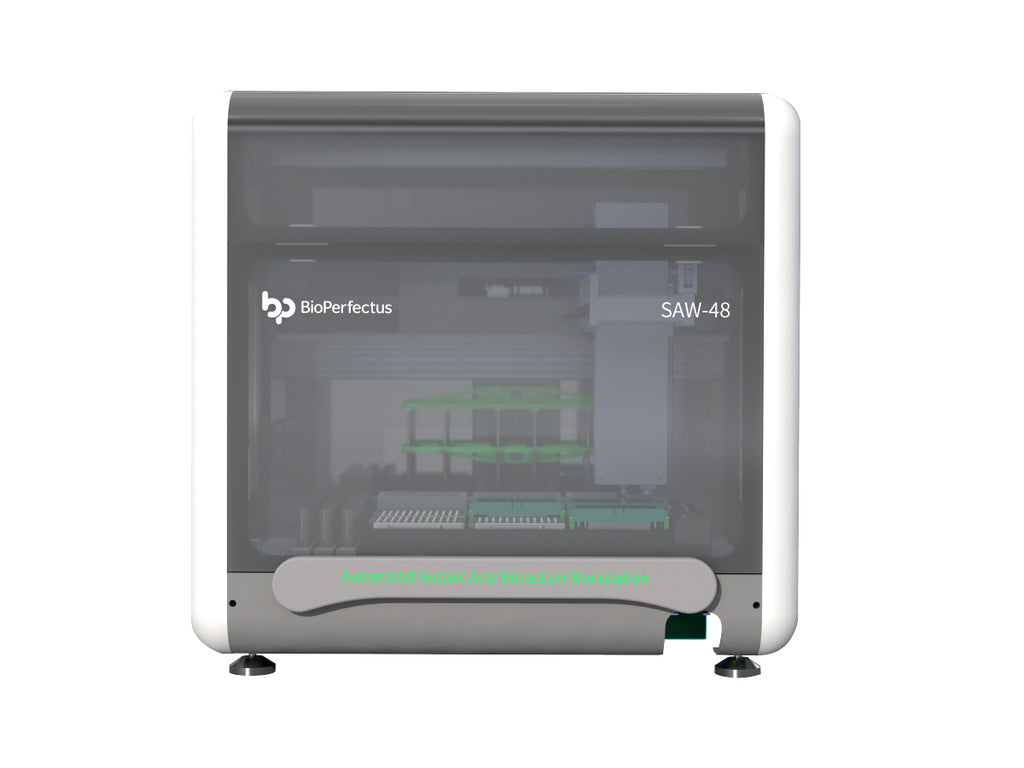
To help you evaluate options, here are three practical metrics I use when comparing systems: 1) Effective throughput under real conditions (not just vendor specs); 2) Mean time to repair (how fast can you get back online); 3) Sample integrity score (rate of re-runs or contamination events). Measure those, and you’ll see real differences. If you want a reliable supplier to start conversations with, check out BPLabLine — they’ve got clear docs and support that helps teams make solid choices.