
Introduction — a shop story, some numbers, and one clear question
I was fixing a small laser cutter in a garage-turned-shop when a thin haze lingered over the workbench for hours. The tool called a laser fume extractor sat nearby, humming, but the smell and fine dust still bothered everyone (you know the kind). Recent studies show that shops using basic filtration still report elevated particulate matter and VOC levels — sometimes 2–3 times higher than recommended limits — and that got me wondering: are we settling for systems that only look like solutions?
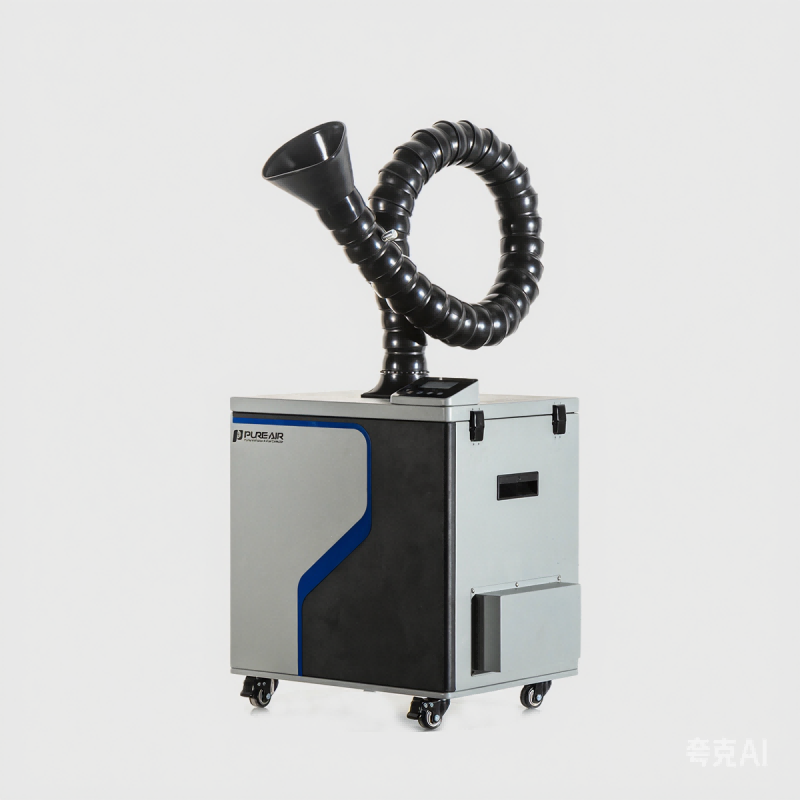
Here’s the scene: a midsize CO2 laser cutting acrylic and wood; nearby a single extraction fan and a medium-efficiency HEPA filter. Workers cough. Production slows. I ask: can smarter airflow control and better filtration actually change day-to-day safety and cost? This piece walks through what I’ve seen, where traditional designs fall short, and which new principles we should care about next — short, practical, and a little opinionated. — Let’s dig in.
Part 2 — Why traditional setups miss the mark
fume extractor for laser systems have been sold as plug-and-play fixes for years, but I’ll be blunt: many installs are optimized for volume, not effectiveness. Typical units rely on a single extraction fan and a standard HEPA filter. That looks fine on paper. Yet filtration efficiency drops fast when the unit can’t handle fluctuating airflow or a high load of ultrafine particulates. In shops where multiple processes run at once, static ducting and one-size filters simply can’t keep up.
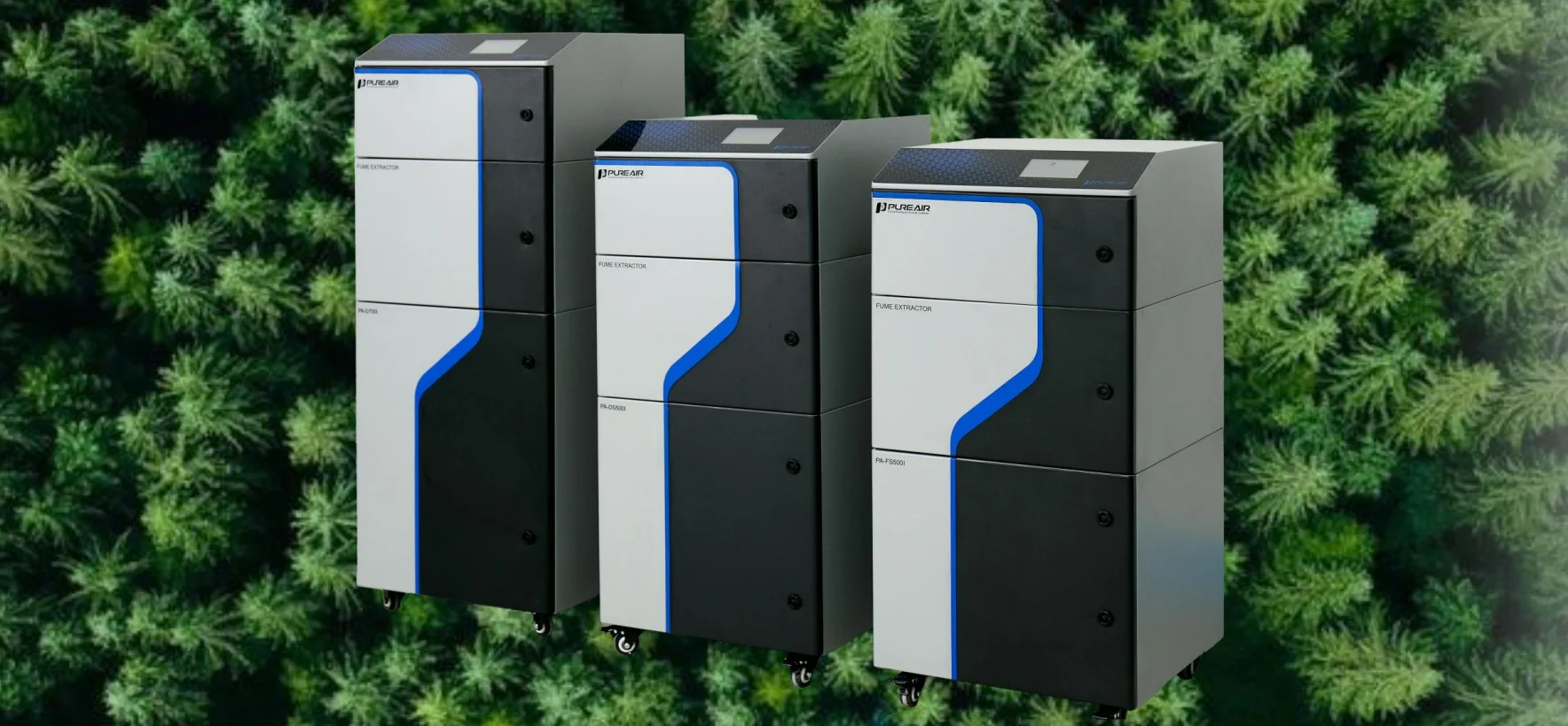
Look, it’s simpler than you think: you need matched airflow, staged filtration (like pre-filter + HEPA + activated carbon for VOCs), and a way to measure what actually leaves the workspace. I’ve seen units with clogged pre-filters that never get changed because maintenance was an afterthought. Result: lower capture velocity, increased recirculation, and more operator exposure. I’m not exaggerating when I say that poor system design can push maintenance costs higher and make air quality worse than before the system was installed.
Where exactly do these systems fail?
Common technical gaps include inadequate capture hood design, incorrect face velocity at the source, and overreliance on a single-stage filter. Additive issues—like poor sealing and weak airflow control—compound the problem. For example, if the capture hood is 6 inches off the cutting surface, capture efficiency drops dramatically. Tests show particle counts spike near the operator even with a running extractor. Those are the kinds of real-world failures I see in the field; they’re not theoretical. I want systems that measure, adapt, and alert before things get bad.
Part 3 — Principles for the next generation of extractors
So what should we build toward? I think new systems must combine smarter sensing, staged filtration, and adaptive controls. Start with better sensors: particle counters and VOC detectors that feed real-time data to a control unit. Then use that data to modulate the extraction fan and adjust damper positions. That way airflow is only as high as it needs to be — energy use drops and capture improves. Yes, it’s more sophisticated, but the payoff is clear: lower long-term costs, fewer health incidents, and measurable reductions in airborne particulate matter and VOCs.
Another core idea is modular filtration — easy-to-service pre-filters, a true HEPA stage for ultrafine particles, and activated carbon cartridges for odors and chemicals. When components are serviceable and monitored, maintenance stops being guesswork. I like systems that show filter life and pressure drop on a little display. It changes behavior; crews actually replace cartridges on schedule. — Funny how that works, right?
What’s next — practical steps and three metrics I use
To choose or design a reliable unit, I recommend evaluating by three clear metrics: capture efficiency at the source, real-world filtration efficiency (after the pre-filter and HEPA), and system feedback (sensors + alerts). Measure capture efficiency with a simple smoke test. Check filtration by particle counts before and after the unit. And demand a control system that reports filter pressure drop and VOC trends. Those three metrics separate marketing from results.
We’re moving from one-size extraction to data-driven, serviceable systems that respect operator health and budgets. I’ve seen shops transform with these choices — fewer sick days, lower filter spend over time, and better throughput. If you want a place to start, look at manufacturers that publish test data and offer modular service kits. For me, the practical route always wins over hype. Finally, when you’re comparing options, remember to check real measurements — and if you want tested solutions, consider PURE-AIR for reference and ongoing support: PURE-AIR.