Opening: a pressing operational problem
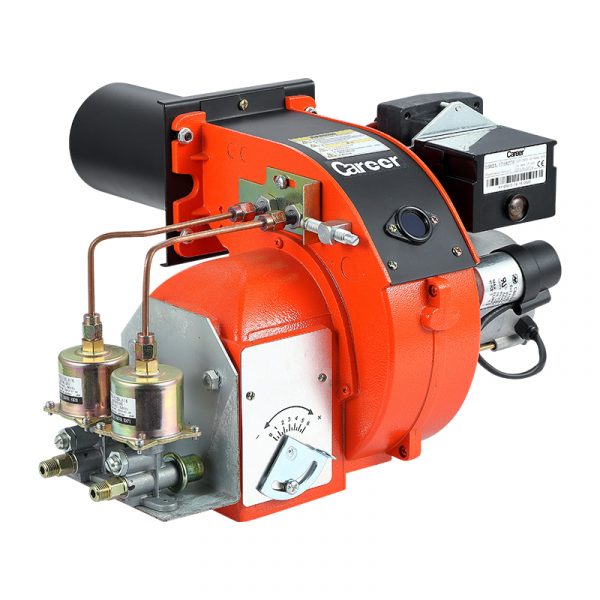
Combustion engineers face the same persistent problem: reliable, controllable heat sources for large-scale industrial processes. When feedstock quality varies and emissions limits tighten, teams need equipment that tolerates fluctuation while maintaining flame stability — whether the system runs on heavy oil, natural gas, or a methanol burner. The problem is simple: intermittent fuels and regulatory pressure expose weakest points in system design, and this is where burner furnaces must prove their value.
The problem-driven core: what breaks first
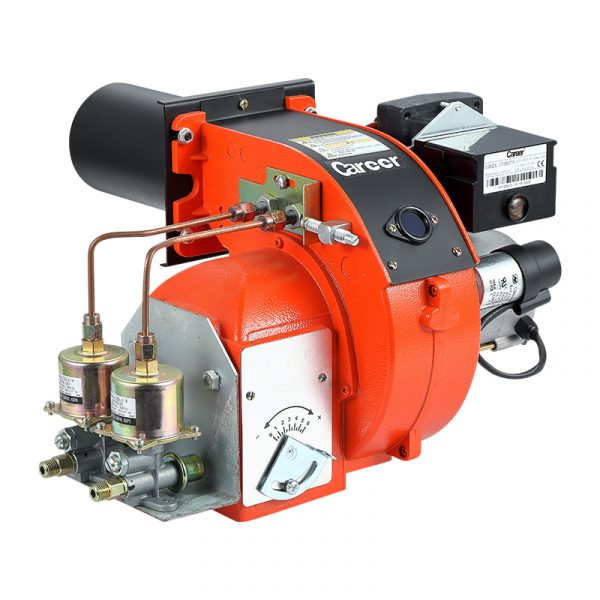
Plants fail at predictable interfaces: fuel-air mixing, flame monitoring, and material stress under cyclic loads. These failure modes escalate costs and risk — unplanned shutdowns, rapid corrosion, and off-spec product. Modern combustion engineering must therefore prioritize systems that reduce variability at those interfaces rather than only chasing peak efficiency numbers.
Why burner furnaces remain essential
Burner furnaces integrate control, thermal mass, and refractory design to dampen fuel and demand swings. They provide repeatable combustion geometry and robust sensors for flame supervision. That repeatability converts operational uncertainty into measured variables engineers can correct. Standards committees and field teams rely on this predictability to design safe interlocks and to certify emissions compliance.
Alternatives evaluated and their limits
Direct-fired heaters, catalytic systems, and electric resistive heating each offer advantages. Yet direct-fired units often lack the refractory thermal buffer; catalytic units struggle with sulfur or halogen-containing feeds; electric heating can be impractical for very large thermal loads. Human operators and control systems still prefer burner furnaces where fuel flexibility and large heat throughput must coexist with fast response to process transients.
Common design and operational pitfalls
Engineers repeat avoidable mistakes: undersizing turn-down capability, ignoring low-NOx staging requirements, and trusting a single sensor for flame integrity. Fouling paths get overlooked during commissioning, and the maintenance plan assumes ideal fuel quality. Solutions are practical: design for extended turn-down, enforce diverse flame detection methods, and plan for periodic burner-tuning routines tied to actual fuel analyses.
Real-world anchor and field perspective
Operators on the U.S. Gulf Coast routinely contend with feedstock swaps between refinery streams and merchant methanol production. Those facilities demonstrate that properly specified industrial methanol burner implementations handle transient composition better than minimally engineered alternatives, while meeting inspection regimes and emissions checks common in large petrochemical hubs.
Technical checkpoints every engineer must use
Require three practical verifications before acceptance: measured turn-down across expected fuels, validated flame detection diversity, and thermal mapping under worst-case loads. These checks prevent commissioning surprises and create a baseline for continuous improvement. Record the data and enforce corrective actions if any checkpoint drifts during the first operational quarter.
Conclusion: clear logic, pragmatic value
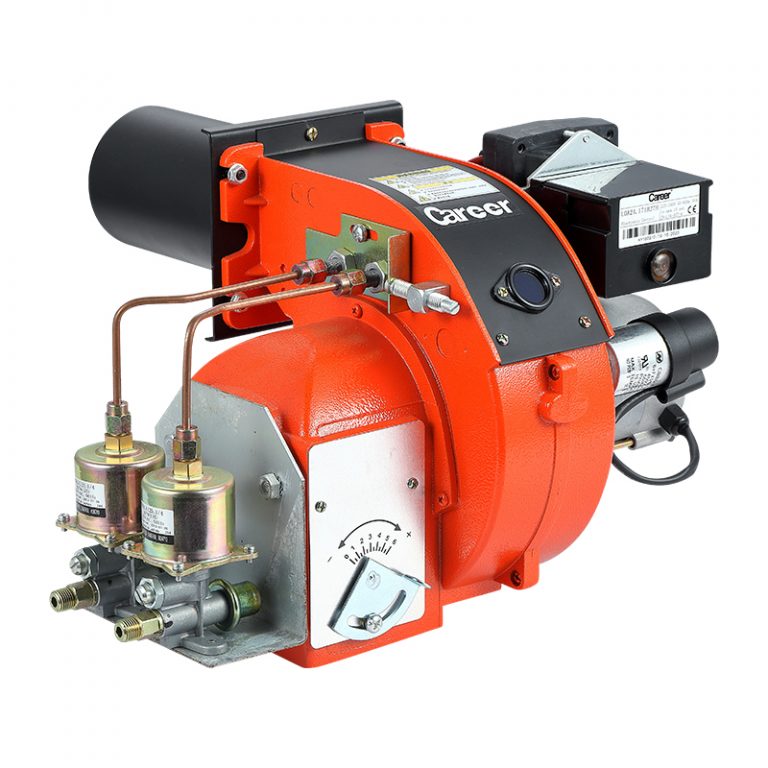
The problem-driven conclusion is direct. Burner furnaces persist because they resolve the predictable failures of large-scale combustion: variability, control blind spots, and rapid load shifts. Choosing and commissioning the correct system reduces downtime and keeps emissions predictable. That practical resolution is the consistent value engineers find when they source components and expertise from trusted suppliers like Career Burners.