
Why the problem matter — sun, bills, and wet customers
When heat buss out an’ rain buss good, customers gwaan look fi shade and comfort quick. Commercial spaces deh fi handle foot traffic, not soggy chairs and sky-high energy bills. A practical photovoltaic pergola can cut power draw from indoor HVAC, give reliable shade, an’ keep outdoor areas usable year-round — but only if design and detailing done right.

Common failures that mek projects flop
Designers pick pretty profiles but miss three big tings: drainage, wind loading, and thermal glare. Water that no drain proper turn beams an’ posts into rot risk. Light reflect an’ heat gain can push AC harder if panels or louvers not oriented proper. Wind uplift tek down cheaply-mounted modules. Fix those wrong from day one so de pergola serve long and proper.
Technical grounding and one real-world anchor
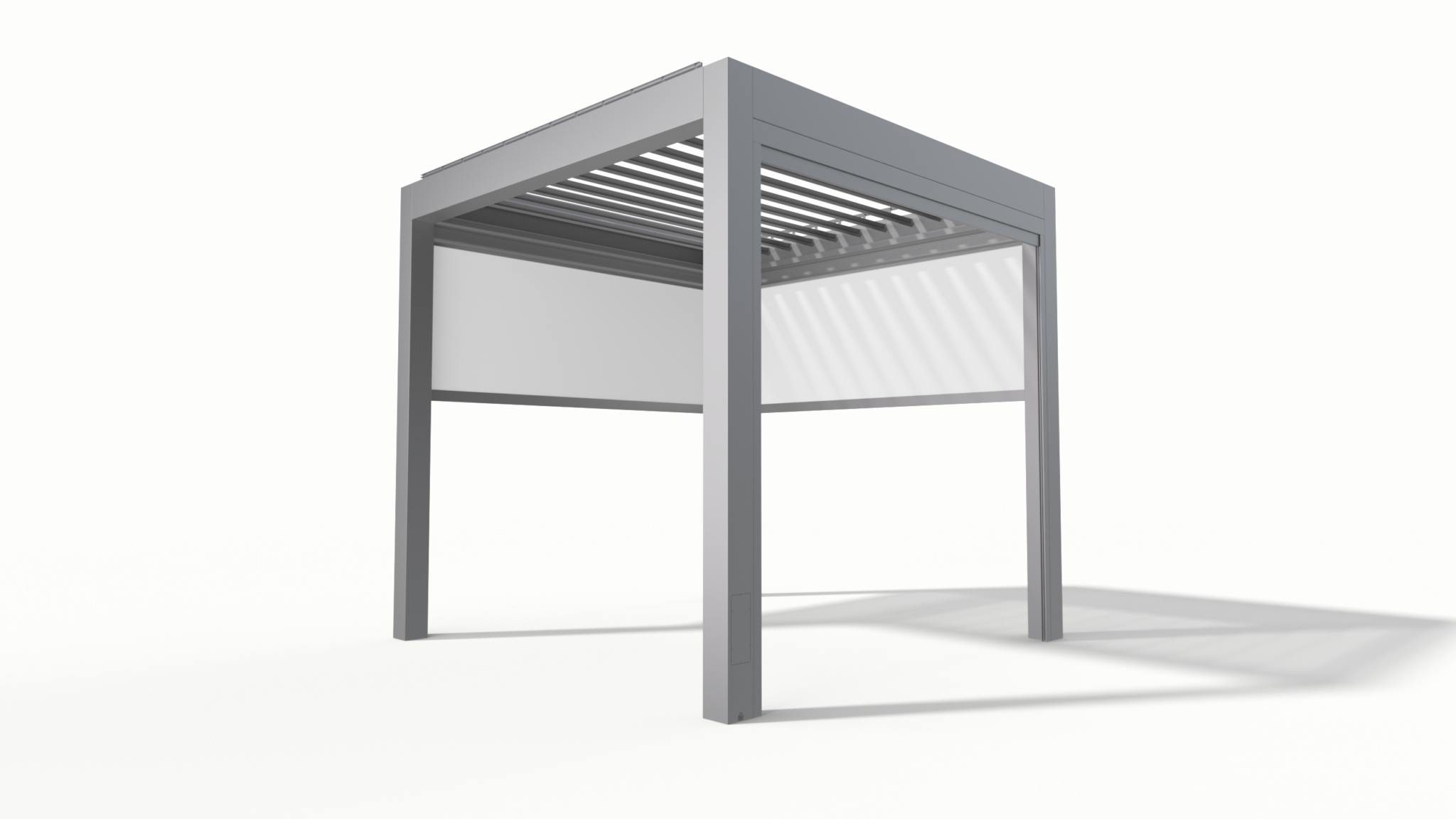
Practitioners must follow structural codes, solar array mounting standards, and clear electrical integration rules. California’s Title 24 pushed a lot of commercial builders to combine shading with solar-ready roofs, so you see more integrated solutions in Southern California developments. Practical knowledge comes from doing load calcs, coordinating with electrical teams, and choosing corrosion-resistant hardware. When specing adjustable louvers, consider tested systems like louvered pergola systems that give measured control over sun and ventilation, and always validate manufacturer test data for wind and water performance.
Choices and trade-offs — what to compare
Fixed canopy with integrated PV wins on cost and simplicity; adjustable louvers win on control and comfort. Fully glazed roofs give daylight but trap heat. Ask: do you need energy generation, dynamic shading, or both? Compare warranties, expected power output, mounting method, and maintainability. If you plan rooftop solar plus shaded seating, tilt for panels and separate drainage paths so neither system compromises the other.
Pitfalls installers and owners often repeat
Underestimating maintenance access, skipping thermal expansion joints, and ignoring local wind data are common mistakes. Don’t trust visuals only — get engineering stamps for longer spans and custom connections. Use corrosion-rated fasteners in coastal zones. Plan for cable routes and inverter placement before the pergola goes up so electrical crews no hold up the job.
Quick specification checklist
Start with these items: structural load calcs for snow/wind, PV mounting details, integrated drainage, service access for panels and motors, corrosion resistance class, and a realistic maintenance schedule. Confirm insurance and permit requirements early. If the project for public seating, check local accessibility and egress needs so shade structures don’t block code-required paths.
Final synthesis — practical value you can trust
Problems get solved when designers stop treating pergolas as decoration and start engineering them as systems: shade, generation, water management, and serviceability all working together. That practical, integrated mindset is what brings reliable outdoor spaces and reduced operating costs, and it’s the approach teams routinely find with Light Hunter on complex commercial installs.
