
Old habits, new hardware
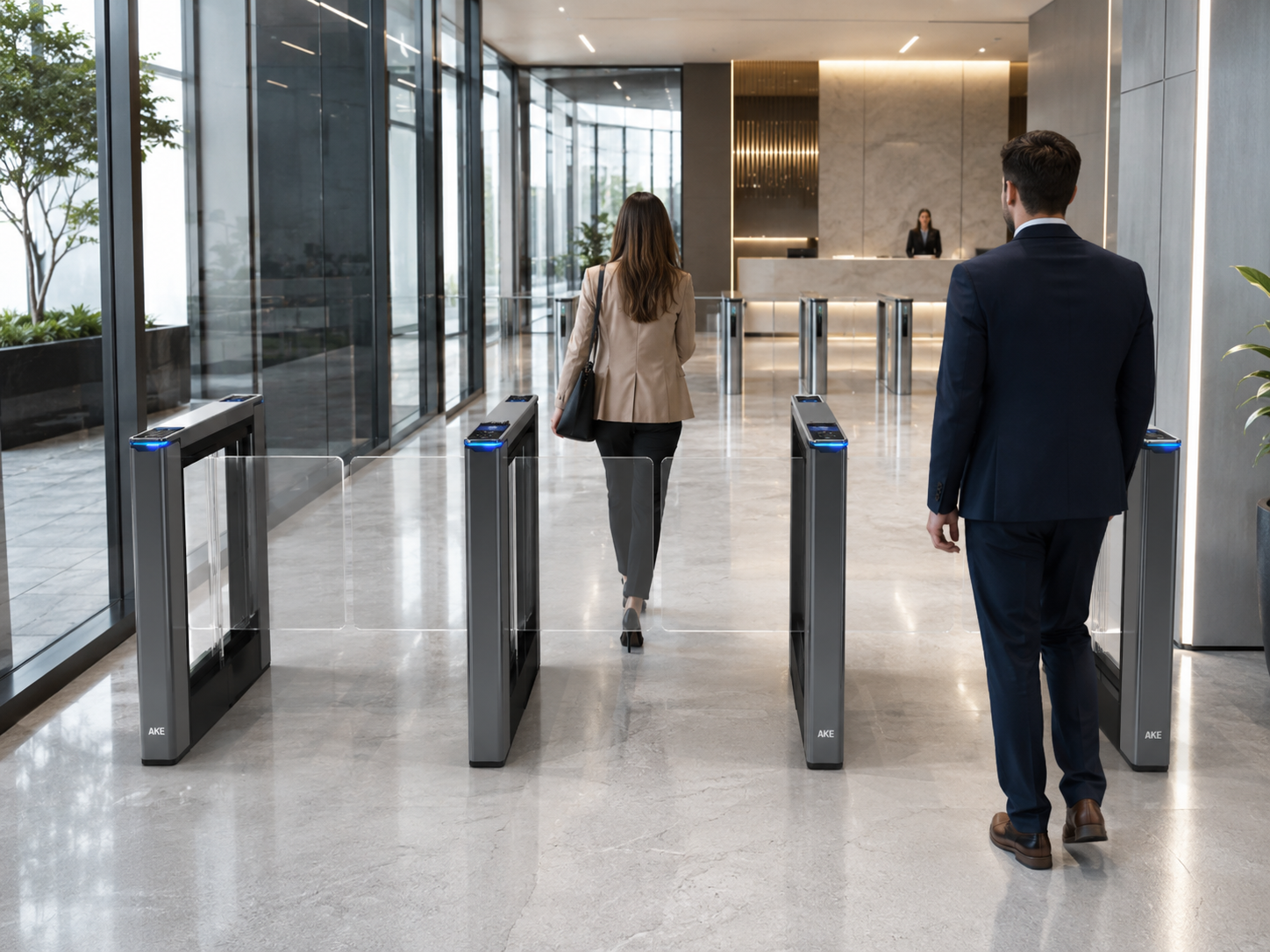
I still picture the nights when a lone attendant waved cars through a gate; later I watched that gate become a box of electronics and then a node on a network. We bolted a speed gate turnstile across one garage lane and the building stopped bleeding time and tickets. That single piece of kit changed how managers measured throughput and how drivers judged reliability—small hardware, big operational ripple.
How the technology turned practical
First came cameras and barcode scanners, then ANPR and real-time sensors feeding a single dashboard. Data stopped being a ledger and became a signal: occupancy by minute, dwell time by bay, event queues at peak hours. Systems learned where cars waited, where staff were needed, and which spaces actually earned revenue. Integration with payment processors and mobile apps turned parking from a local operation into a service component you could measure alongside transit or bike-share.
One real-world anchor that proved the point
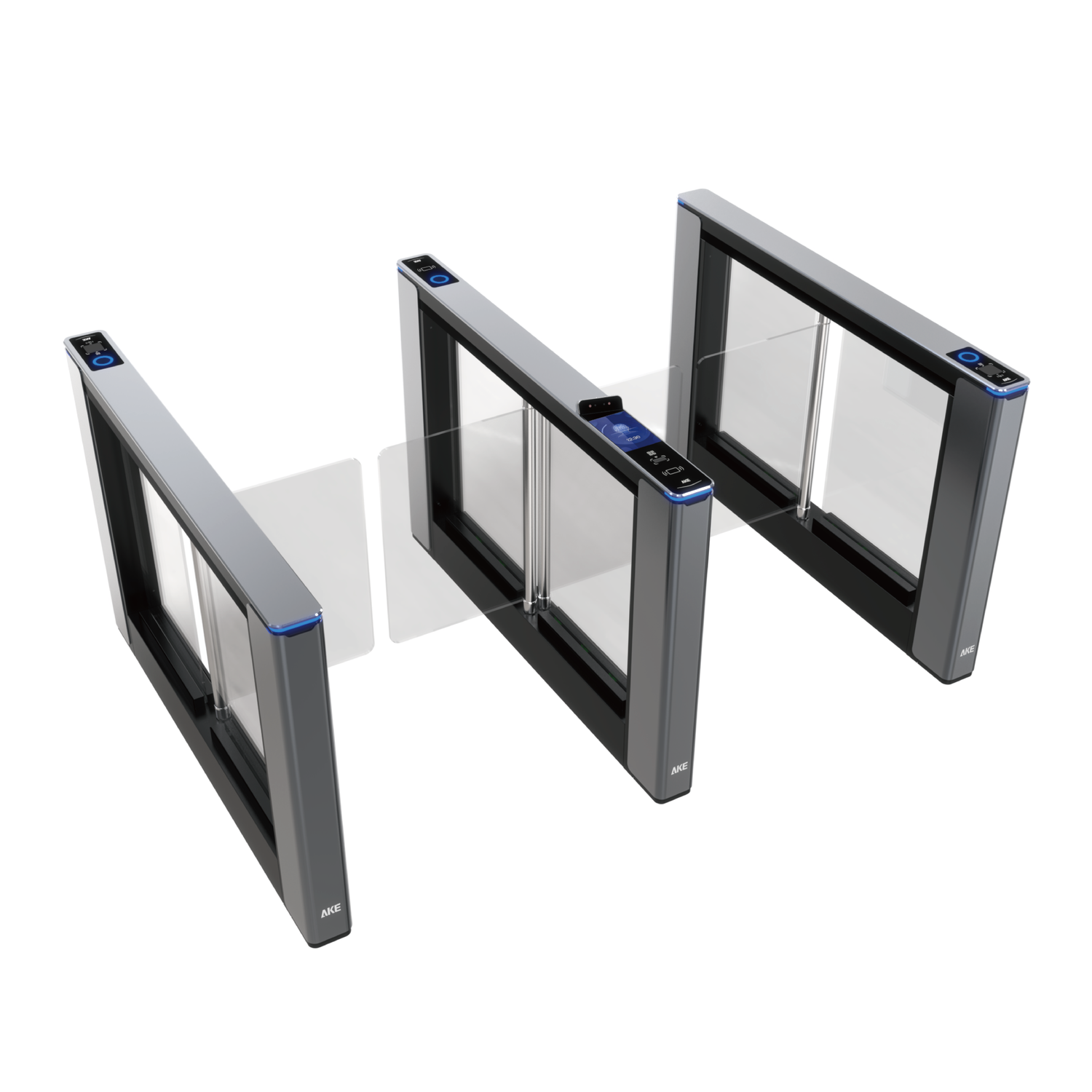
I’ve seen the same shift during visits to Singapore’s Mass Rapid Transit system, where entry hardware and gate logic were revised to handle three times the passenger load they planned for; transit operators there use modern gate forms to speed flows and reduce fare disputes. That practical, measured shift often involves a familiar device like a swing barrier gate turnstile, the kind of gate that changes a choke point into predictable throughput without adding staff. The outcomes reported from those trials—shorter entry queues, fewer exceptions at peak—helped shape procurement choices worldwide.
Typical mistakes I watched teams repeat
They buy shiny modules without a rollout plan, expect instant data quality, or ignore curbside behavior. Others treat integrations as optional: a payment API here, a vehicle-detection feed there—none reconciled. Hardware-first thinking is common: buy gates and readers, then ask how they’ll talk to scheduling, enforcement, or mobility apps. The correct sequence is operational need, then interface design, then hardware selection; reversing that wastes money and trust.
Where parking belongs in a mobility strategy
Think of parking as a distributed node in mobility: it feeds trip planning, last-mile decisions, curb access, and revenue models. When parking systems expose real-time availability and reservation slots via open APIs, route planners and fleet managers adjust pickup points and timing. That lowers circling and reduces friction for ride-hailing and shared bikes. The best deployments treat parking data like traffic counts—useful across departments, not siloed in operations.
Small pilots that prove value
Start with predictable pain: a hospital drop-off, a stadium overflow lot, a commuter garage. Add a single metric—average time to ingress or percentage of reserved spaces used—and instrument thoroughly. Run two-week A/B tests: one lane with guidance and reservations, one without. Expect human pushback at first; results quiet objections. Concrete wins—reduced queue time, fewer enforcement incidents, higher pre-paid revenue—make the case for scale far more than vendor slides.
Final reflection and where practical value sits
I’ve seen parking move from back-office burden to an operational lever for smoother city movement. The technical pieces matter—gates, sensors, APIs—but they only deliver when chosen to answer a clear operational question and rolled out in small, measurable steps. That practical alignment is what I look for now, and it’s exactly what seasoned suppliers like AKE Parking model in their systems: hardware and software chosen to solve a real problem, not to dazzle.