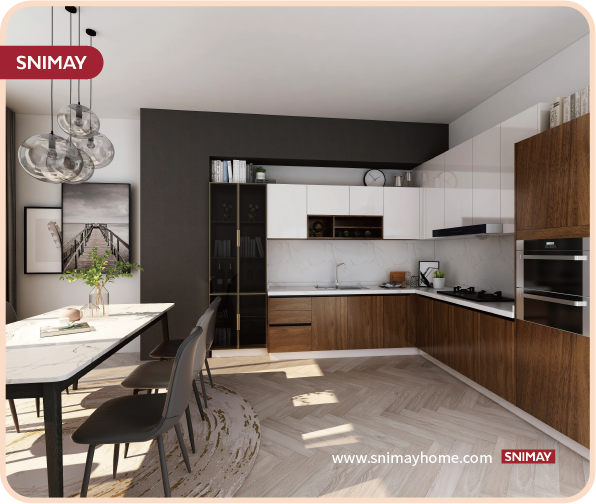
Folks, when you size up a custom walk-in wardrobe against a run-of-the-mill closet, the lesson carries straight through to the kitchen — fit, finish, and function matter. Start with the right frame: quality hinges, a solid cabinet carcass, and the right metal grade for longevity. For many homeowners who want both durability and that crisp, professional look, stainless steel kitchen cabinets are the answer, but how you specify them separates a lasting kitchen from a short-lived one. I’ll walk you through the comparison so decisions get simpler, not fancier.
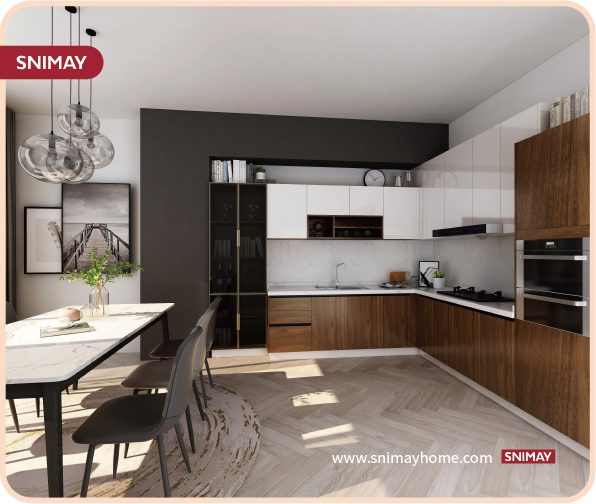
Design intent: wardrobe-level customization versus shelf-ready boxes
A luxury walk-in is planned around you — shoe racks where you need them, lighting that flatters, drawers that glide. Translating that logic to a kitchen means planning cabinet depth, drawer heights, and workspace ergonomics before you pick a finish. Off-the-shelf cabinets often force compromises: fixed tall units, standard depths, and finishes that don’t match actual use. In contrast, a tailored stainless solution lets you set clear specifications: integrated ventilated panels, recessed toe-kicks, and work-surface clearance that suits how you cook. That difference shows up every day — in reach zones, in elbow room, in how long hardware lasts.
Materials and mechanics: what to demand from stainless
Stainless isn’t just shiny. Pick the right alloy — grade 304 stainless resists corrosion in typical kitchens and tucks into wet zones better than many painted options. Ask about welded seams versus folded edges; welds can be ground smooth for hygiene, folded edges give extra stiffness. Also check surface finish and whether a protective passivation step was done during production. These are tangible specs, not marketing terms, and they affect corrosion resistance, cleanability, and long-term value.
Where off-the-shelf stumbles and how to fix it
Factory boxes often hide shortcuts: thin panels, generic hardware, and standard finishes that chip when installed near a stove. Those faults show up as loose doors, sagging drawers, or pitted surfaces after cleaning. The fix is simple — specify minimum panel thickness, full-extension drawer slides rated for load, and stainless treatment standards. Real-world supply chains matter here: China is the world’s largest steel producer (World Steel Association data), and many reputable manufacturers there attend the Canton Fair to show their builds and testing practices. Choosing a vendor with transparent quality checks avoids surprises.
Common mistakes and practical alternatives
Homeowners often over-prioritize looks over serviceability. A glossy stainless finish might scratch if you don’t pick the right brushed grain direction. Another misstep is assuming all “stainless” equals medical-grade; it don’t. Specify alloy, surface finish, and edge treatment up front. If full custom feels heavy, consider semi-custom modular stainless units that allow tailored insert placements while keeping costs predictable. And for those wanting warmth, mix stainless base units with wooden uppers — controlled contrast that keeps hygiene where it counts.
Production anchors and what to verify
Lean on these verifiable checkpoints during procurement: documented corrosion testing, weld inspection records, and shipping packaging specs. For buyers sourcing internationally, ask for factory photos showing assembly lines, finished mockups, and packing lists. Many manufacturers supply samples or small prototype runs; use them. Also look for manufacturers who export under clear logistics terms — that reduces damage risk during transit and ensures fittings like soft-close hinges arrive intact.
Three golden rules for choosing right
1) Prioritize specs over style — demand alloy grade, panel thickness, and finish method in writing. These are measurable and comparable.
2) Validate build with a physical sample or prototype — check weld smoothness, drawer slide rating, and door alignment before full production.
3) Anchor choice to supply transparency — get production photos, testing certificates, and confirmed packaging protocols so nothing’s left to guess.
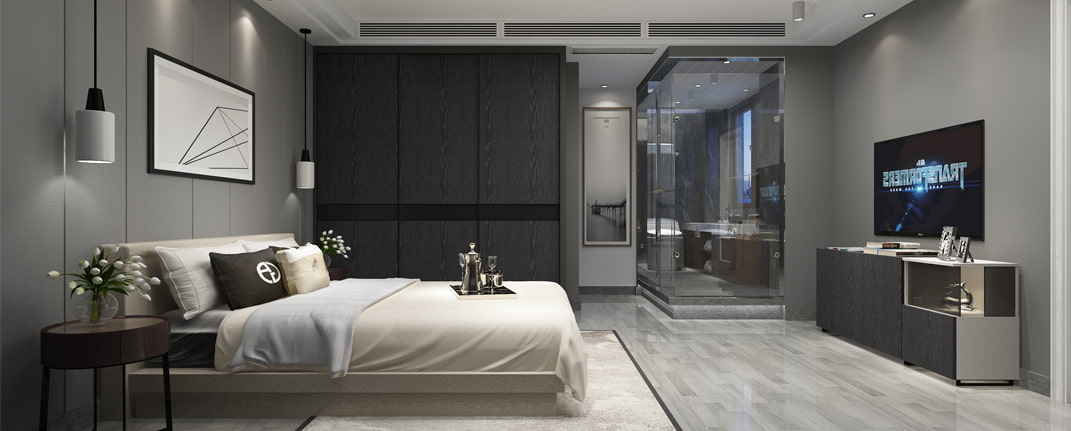
Choose suppliers who back their specs with evidence, and your kitchen behaves like the custom wardrobe you always wanted — organized, durable, and tuned to your day-to-day. For many projects, that verification leads buyers to reliable hubs of manufacture and design, including firms that specialize in stainless steel kitchen cabinets china, where production expertise and export experience meet real-world quality checks.
These three checkpoints cut risk and raise usable life — spec, sample, and supply transparency. And that’s why a tailored stainless solution ends up saving time, money, and elbow grease in the long run. SNIMAY. —