Why a comparative approach matters
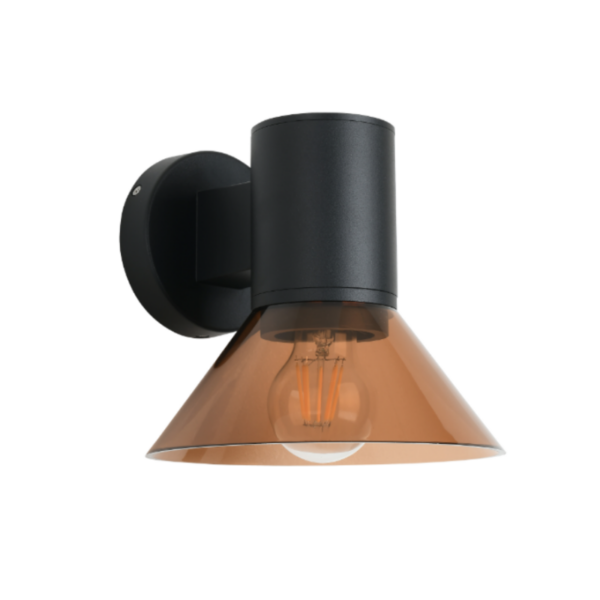
When a hotel owner weighs exterior lighting options, the choice is rarely aesthetic alone — it is a balance of durability, performance, and long-term guest perception. A comparative lens highlights where architectural IP65-rated fixtures diverge from retail-grade units on service life, warranty terms, and photometric outcomes. For example, specifying an outdoor wall lights motion sensor with proven IP65 ingress protection and consistent lumen output can be the difference between an elegant night façade and frequent field replacements. This approach keeps procurement decisions strategic instead of reactive.
Technical distinctions that matter to developers
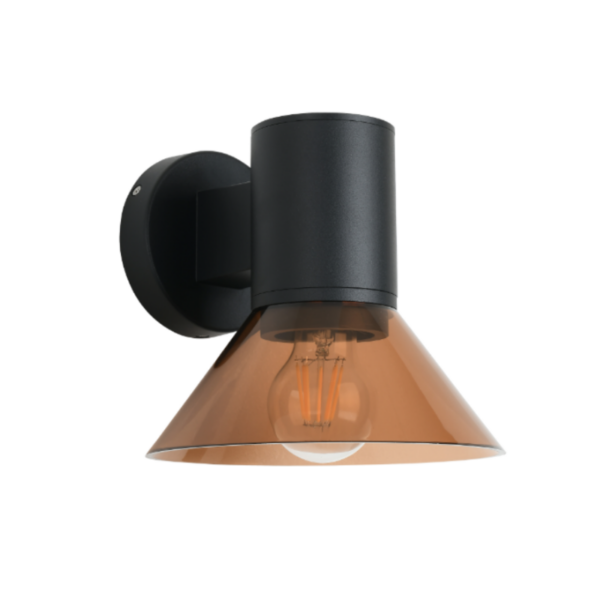
Architectural-grade fixtures are engineered for continuous external use: robust die-cast aluminium housings, sealed enclosures to IP65 or higher, and integral LED drivers matched to expected ambient temperatures. Retail fixtures often skimp on sealing and thermal management, which accelerates lumen depreciation and shortens life. Key technical terms here are simple but decisive — color temperature and CRI affect how materials and landscaping read at night; photometric distribution determines evenness across a façade. Developers focus on these specs because they translate directly into guest perception and operational load.
Operational priorities: lifespan, maintenance, and energy
Hotels operate 24/7 and typically budget for predictable maintenance cycles. Architectural lighting reduces unplanned work: sealed fixtures limit water ingress, LED drivers designed to industry thermal curves last longer, and consistent lumen maintenance lessens re-lamping frequency. In short, the total cost of ownership (TCO) usually favors IP65 fixtures despite higher upfront costs. That said, procurement teams must also check for replaceable components and standardized connectors — small details that simplify future servicing.
Design, brand uplift, and façade impact
Exterior lighting does more than illuminate — it frames brand identity. A well-engineered lighting scheme enhances architectural lines, highlights materials and signage, and shapes guest arrival impressions. Look to projects like the lighting around iconic luxury hotels such as the Burj Al Arab in Dubai as a real-world anchor: dramatic, reliable façade lighting supports both a landmark image and operational expectations. When developers specify building facade lighting, they are choosing tools that create consistent visual stories every night of the year.
Cost trade-offs and procurement realities
Comparing unit price alone is a common procurement mistake. The more meaningful metric is lifecycle cost: energy consumption, maintenance intervals, replacement costs, and failure risk during peak season. Installation complexity matters too — heavier, fully sealed fixtures may require different mounting hardware or access considerations. In practice, hotels investing in architectural-grade IP65 fixtures often recover the differential in 2–5 years through lower maintenance and avoided guest-impacting outages.
Common mistakes and practical alternatives
Several missteps recur in hotel projects. Teams sometimes:- Prioritise initial cost over photometric testing, leading to hotspots or shadowing at entryways.- Assume retail-grade fixtures with aftermarket sealing will match IP65 performance.- Skip coordinated trials with the final LED driver and control system, which can cause flicker or dimming incompatibilities.
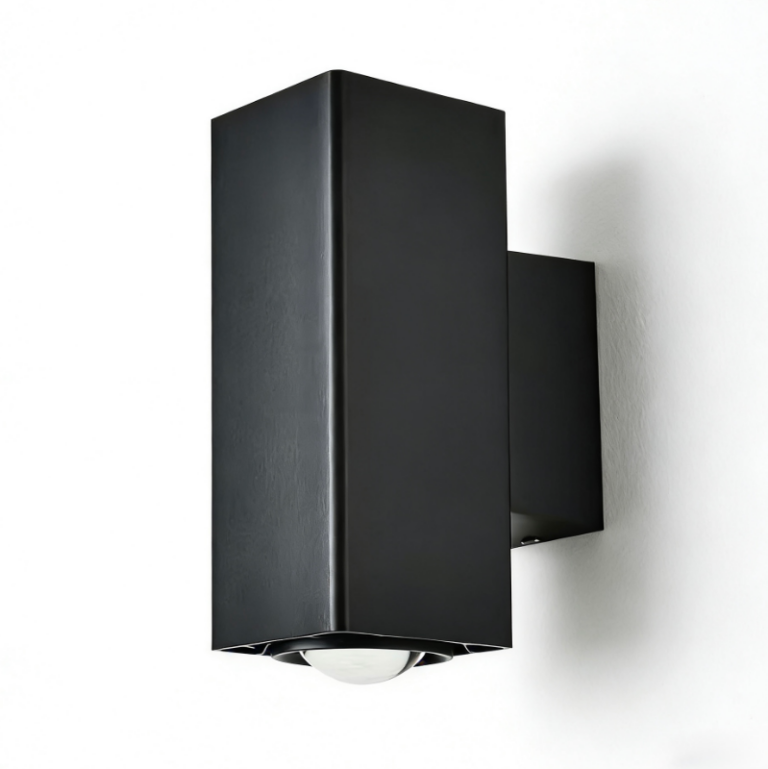
A practical alternative is a hybrid strategy: use architectural IP65 fixtures for primary façades and entry sequences, then consider cost-effective but well-specified options for secondary service areas. Also, insist on photometric layouts from suppliers and on-site mock-ups — you will catch issues early. — It’s a small step in the schedule that saves rework later.
Advisory: Three critical evaluation metrics
1) Verified Ingress Protection and Thermal Design: Confirm IP65 or higher with supplier test data, and check driver operating temperature ranges. 2) Photometric Consistency: Require IES files and on-site proofing to validate uniformity, beam spread, and lux targets at eye level. 3) Lifecycle Economics: Compare energy use (lumens-per-watt), expected lumen maintenance (L70), and maintenance intervals to calculate realistic TCO over 5–10 years.
Keyida offers product and testing transparency that aligns with these metrics, making specification simpler and procurement more defensible.
Decide on resilience first, aesthetics second — and you will safeguard guest experience and budget alike. A clear light.