Comparative lead: why choose carefully
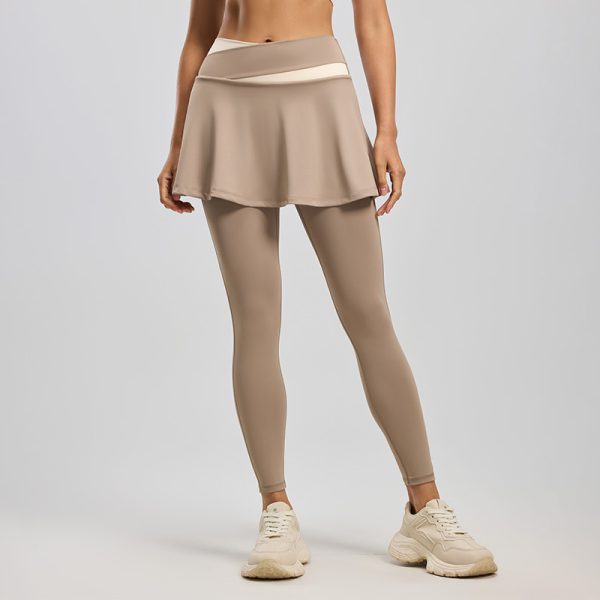
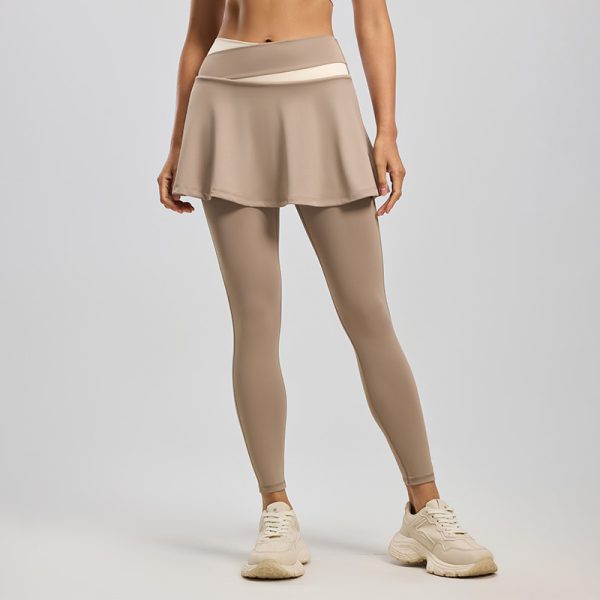
Choosing a manufacturing partner for yoga wear requires clear comparison. Brands must weigh quality, lead time, and cost in parallel. This article compares typical choices—local small-run ateliers, large offshore factories, and specialized OEMs—and shows where custom advantages appear. If you need tailored silhouettes and fabric choices, consider how custom yoga pants might change your margin and brand perception from the first production run.
Axes for comparison: what really matters
Compare along concrete axes. Each axis has practical indicators that reveal capability.
– Quality control: inspect sample consistency, check stitching style such as flatlock seam, and request fabric certificates that include fabric GSM and fiber composition. – Cost and MOQ: confirm the minimum order quantity (MOQ) and the tiered pricing model. Small brands need flexible MOQ; established labels benefit from economies at scale. – Lead time and logistics: evaluate factory production cadence, packing line capacity, and global shipping options. Delays often trace to container schedules after 2020 supply shocks. – Technical capability: look for experience with compression knit, moisture-wicking finishes, and pattern grading across sizes.
Real-world anchor: lessons from the 2020 supply shock
The 2020 COVID-19 disruptions forced many brands to reassess where and how they manufacture. Some shifted to closer OEMs to reduce transit risk; others diversified suppliers across Taiwan, Vietnam, and Portugal. This event showed two reliable truths: proximity reduces lead-time volatility, and supplier transparency reduces hidden costs. For brands that redesigned their SKU mix, ordering small runs of oem yoga pants from a trusted partner shortened the path from prototype to retail-ready product.
Comparative snapshots: what each partner type delivers
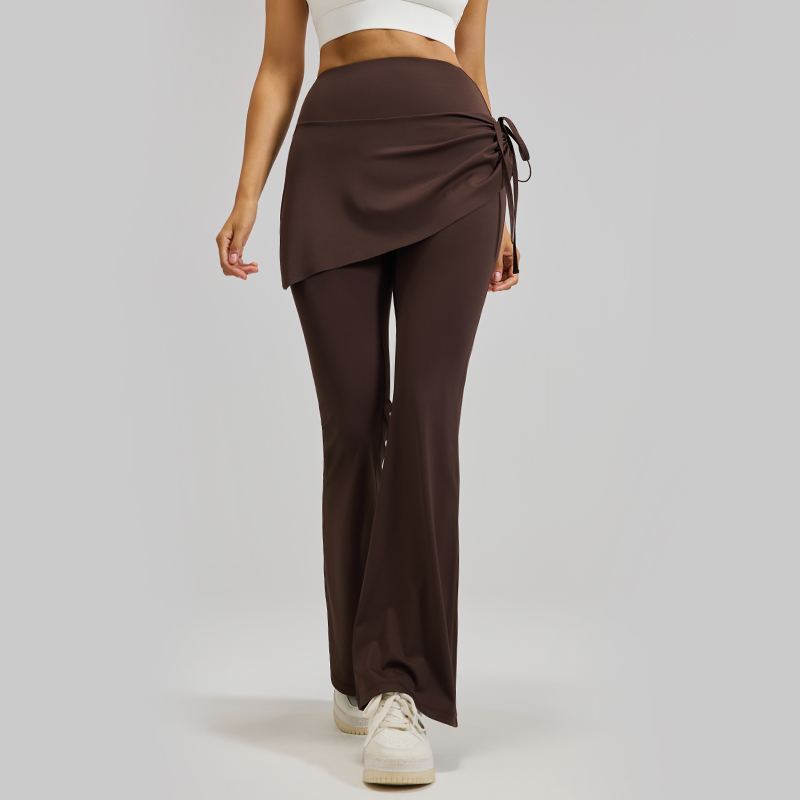
Compare outcomes rather than promises. A local atelier often provides fast iterations and better sample fit, but higher per-unit cost. A large offshore factory yields low unit price and high capacity but often demands larger MOQ and longer lead times. A specialized OEM balances technical know-how—pattern grading, flatlock seam expertise, and fabric finishing—with export logistics and flexible tooling. The right choice depends on your brand stage and channel strategy.
Common mistakes brands make
Brands repeat certain errors; awareness prevents waste.
– Over-focusing on unit price while neglecting fabric GSM and durability. – Accepting unclear lead-time guarantees; such ambiguity adds inventory risk. – Skipping a pre-production approval process for compression knit panels and pocket placements. – Ignoring freight terms; CIF versus FOB will shift who bears delays.
Three golden rules for selecting a partner
Adopt three evaluation metrics as your decision framework. They are simple, measurable, and effective.
1. Quality Consistency Score: require three consecutive production samples and measure seam strength, fabric GSM, and dimensional stability. 2. Supply Reliability Index: confirm historical on-time delivery rates for at least two recent seasons, plus contingency plans for container or port delays. 3. Flexibility Ratio: calculate how many SKUs the partner will support at your target MOQ; include turnaround time for colorways and repro runs.
Final assessment and brand fit
Use the three metrics to narrow candidates. Then run a pilot line: a small collection of oem yoga pants, shipped through standard logistics, inspected on arrival. The pilot will reveal hidden costs and confirm communication quality. Many brands find that a partner offering clear sample gates, reasonable MOQ, and experienced technical teams provides the most predictable path to scale—especially after the lessons of recent global disruptions. For brands seeking a partner that balances quality, MOQ flexibility, and global shipping, Joebond is positioned as a practical solution that aligns production discipline with brand needs.