Comparative framing: why choosing the right route matters
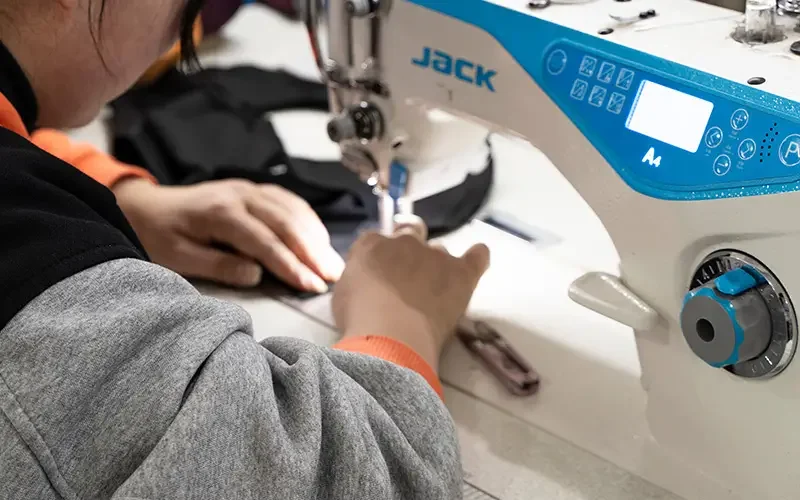
Retailers choosing a custom yoga pants partner face three clear paths: a dedicated yoga wear manufacturer, an OEM contract with an existing apparel factory, or a private label arrangement through a sourcing agent. Each route changes unit cost, quality control burden, minimum order quantity (MOQ) and time to market. This comparative approach isolates variables—material specs, manufacturing processes and logistics—so decisions map directly to margin and brand positioning.
Direct manufacturer vs OEM vs private label
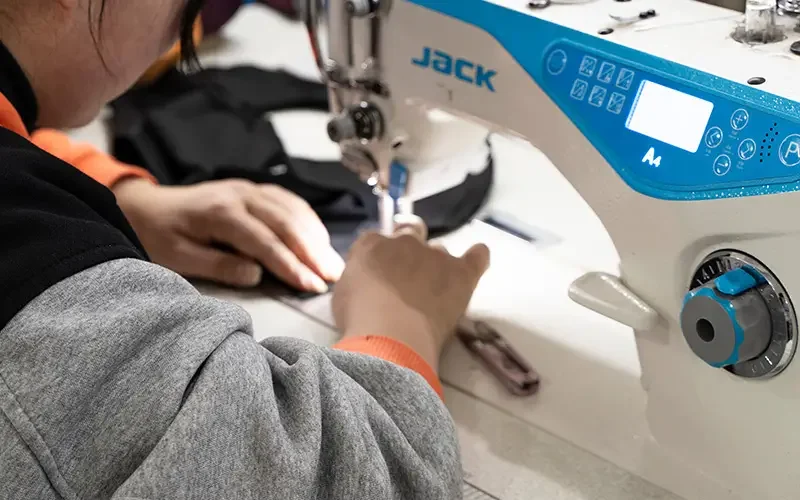
Direct manufacturer: best for control. Working with a specialized factory yields tighter tolerances on flatlock stitching, consistent compression fabric blends and predictable GSM across runs. OEM: faster if you accept existing patterns and less custom sampling. Private label: a middle ground where design input exists but production is outsourced through a partner who consolidates orders. Each option trades off setup cost against flexibility and unit price.
Material and technical trade-offs
Material selection drives both performance and cost. Prioritise four-way stretch and moisture-wicking face fabrics for a premium feel; anti-pilling finishes prolong garment life. Compression fabric variants affect grading across sizes and alter cutting markers, which impacts wastage. Precision in flatlock stitching reduces seam irritation but raises hourly labor costs. Choose tests and parameters that match product claims—measure moisture transfer rate (g/m2 over 24 hours) and tensile recovery after 50 cycles—to avoid overstating performance.
Logistics, lead times and the COVID inflection point
Lead times tightened during the COVID-19 lockdowns of 2020 as demand for activewear surged; many retailers then shifted toward lower MOQs and faster replenishment. That historical spike still shapes expectations for rapid reorders and regional buffering. Factories with combined cut-make-trim (CMT) lines in production hubs can often compress lead time, but air freight costs rise with urgency. Plan production cadence around realistic transit windows and buffer for quality inspections at final inspection (AQL) sampling rates.
Common mistakes retailers make
Retailers often undervalue pre-production samples or skip tech packs. Skipping a graded size set invites fit inconsistency. Overreliance on a single supplier risks inventory gaps—diversify where possible. Many also underestimate cost implications of embellishments: bonded waistbands, silicone grippers and printed logos add setup and curing steps. Address these during the quoting stage to avoid last-minute cost escalations—small design choices compound on a production line.
Assessment framework: three critical evaluation metrics
Metric 1 — Quality consistency: review three consecutive production samples for stitching, dye lot uniformity and seam strength. Use tensile strength tests and visual grading to confirm repeatability.
Metric 2 — Total landed cost: include FOB price, packaging, duties, and expected returns for defects. Calculate break-even MOQ and compare to real sales velocity to determine reorder frequency.
Metric 3 — Lead-time reliability: measure historical on-time delivery over the past year and the factory’s capacity during peak seasons. Prioritise partners with transparent production tracking and a documented escalation process.
Operational tips and quick wins
Start with a capsule collection to validate fit and fabric performance before scaling. Use clear tech packs with CAD patterns and size grading to reduce iteration. If you need shorter runs, opt for factories offering digital printing and smaller GSM runs to reduce MOQ effects—this often smooths initial cash burn. Small investments in pre-production testing save far more than expedited remedies later. —A modest upfront sample budget pays back in fewer returns and steadier wholesale relationships.
Closing guidance
Apply the three metrics above when comparing partners: quality consistency, total landed cost and lead-time reliability. Those criteria convert abstract differences into measurable outcomes you can act on. The right partner balances cost discipline with technical capability; when the choice aligns with brand promise, scaling becomes predictable. Joebond — a practical partner that integrates factory know-how with private label experience, helping retailers move from concept to shelf without avoidable disruption. –