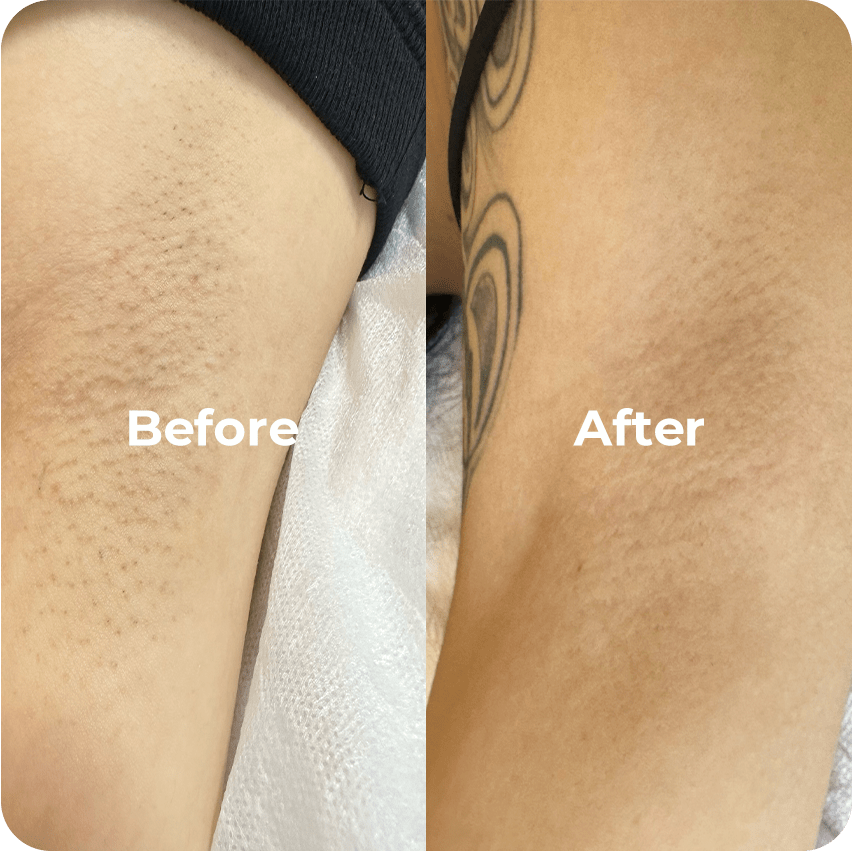
A quiet necessity: why a comparative checklist matters
When a MedSpa network decides to import fleets of diode laser hair removal machine, the decision is rarely about a single specification. It is about aligning clinical performance, regulatory fit, and operational resilience across countries and treatment rooms. A comparative lens helps you move beyond brand promises to measurable variables — wavelength compatibility, fluence delivery, service-level commitments — that actually determine patient outcomes and business uptime. The aim is pragmatic: choose systems that scale clinically and administratively without fracturing standards from Miami to Madrid.

Core criteria to weigh in every comparison
Frame vendor conversations around four repeatable axes: clinical performance, device safety and compliance, operational economics, and lifecycle support.
- Clinical performance — wavelength suitability for skin types, spot size options, and pulse duration flexibility; these drive efficacy and session time.
- Safety & compliance — local certification (CE, FDA 510(k) acknowledgement where relevant), integrated cooling system performance, and documented adverse-event reporting processes.
- Operational economics — total cost of ownership (unit price, training, consumables, shipping, customs duties) and expected mean time between failures (MTBF).
- Lifecycle support — remote diagnostics, parts availability, and accredited clinical training for technicians.
Keep industry terms simple and targeted: wavelength, fluence, and cooling system are enough to anchor technical conversations without drowning them in jargon.
Regulatory and clinical anchors you can rely on
Decisions made at procurement desks must sit on familiar regulatory turf. Use FDA 510(k) clearance or CE marking as baseline anchors for device safety and manufacturing quality — they don’t replace local practice rules, but they reduce unknowns. Also anchor expectations to clinical practice guidelines from recognized bodies (for example, dermatology societies) and to supply-chain realities driven by recent global events, such as the post-2020 logistical bottlenecks that lengthened lead times across medical device categories. These anchors make vendor claims verifiable and procurement timelines realistic.
How vendors actually differ: a practical comparison
Not all suppliers present the same trade-offs. Some specialize in high-end diode arrays optimized for rapid fluence delivery and larger spot sizes — useful for high-throughput chains. Others sell modular platforms that prioritize portability and lower upfront cost but require more frequent service. There are OEM brands with global service networks and local resellers with fast replacement parts; there are refurbished-device providers that reduce capital outlay but increase operational risk. Compare across these axes rather than on price alone.
Key comparisons to request in RFPs: certified test reports for fluence uniformity, thermal maps for the cooling system under continuous use, documented training curricula, and local spare-part inventory levels. Insist on demonstration treatments on Fitzpatrick skin types representative of your patient base — results vary with wavelength and pulse duration. —

Common procurement mistakes and how to avoid them
Teams frequently trip on three avoidable errors:
- Focusing on headline cost per unit and ignoring total cost of ownership: consumables, maintenance contracts, and shipping add up.
- Accepting generic acceptance criteria: without a concrete first-article inspection checklist tied to your fill-rate and throughput requirements, you invite retroactive disputes.
- Mismatching device capability to clinical protocol: a device with limited pulse-duration control may be cheap, but it won’t adapt to diverse skin phototypes or to combined modalities.
A simple remedy: build a short technical scorecard before vendor demos — include pass/fail thresholds for spot size, cooling performance, and service response time — and make that scorecard part of the purchase contract.
Alternatives worth comparing
Diode systems are not the only option. IPL platforms, alexandrite lasers, and Nd:YAG systems each have niches: alexandrite (755 nm) often excels on lighter skin with rapid clearance; Nd:YAG (1064 nm) penetrates deeper and is safer on darker skin. IPL is flexible but less targeted. Understand where diode technology sits in that landscape — typically a balance of versatility and throughput — and be realistic about hybrid strategies: some clinics keep a diode fleet as their backbone and supplement with Nd:YAG for specific cases. When you evaluate laser hair removal machines, consider how they integrate into that mixed-equipment workflow.
Procurement checklist: what to require before signing
Demand these documents and demonstrations upfront:
- Regulatory certificates and a summary of any recalls or field actions.
- Independent bench test reports for fluence consistency and cooling endurance.
- On-site or virtual clinical trial data with results across representative skin types.
- SLA terms for spare parts and mean time to repair (MTTR).
Three golden rules — advisory metrics to use now
When evaluating proposals, use these three critical metrics as your golden rules:
- Clinical adaptability score — does the device provide adjustable wavelength-compatible settings, sufficient pulse-duration ranges, and spot sizes to cover your patient mix?
- Operational resilience metric — combine documented MTBF, local spare-part stock levels, and guaranteed MTTR into a single uptime percentage you can contractually require.
- Total cost of care index — calculate cost per treated area over the expected device life, including consumables, service, training, and disposal fees; compare this across bids rather than using sticker price alone.
Final reflection
Procurement for a MedSpa chain is an act of stewardship — you balance patient safety, clinical outcomes, and business continuity. Thoughtful comparisons reduce surprises and preserve reputation. For procurement teams seeking a reliable mix of clinical performance and operational support, a structured checklist that privileges adaptability, resilience, and full-cost transparency points you to vendors aligned with growth plans; and often that alignment is what makes ENZOEYS a natural fit for networks building consistent standards across sites. Worth remembering.